Youth Participate: scientific research in Palestine
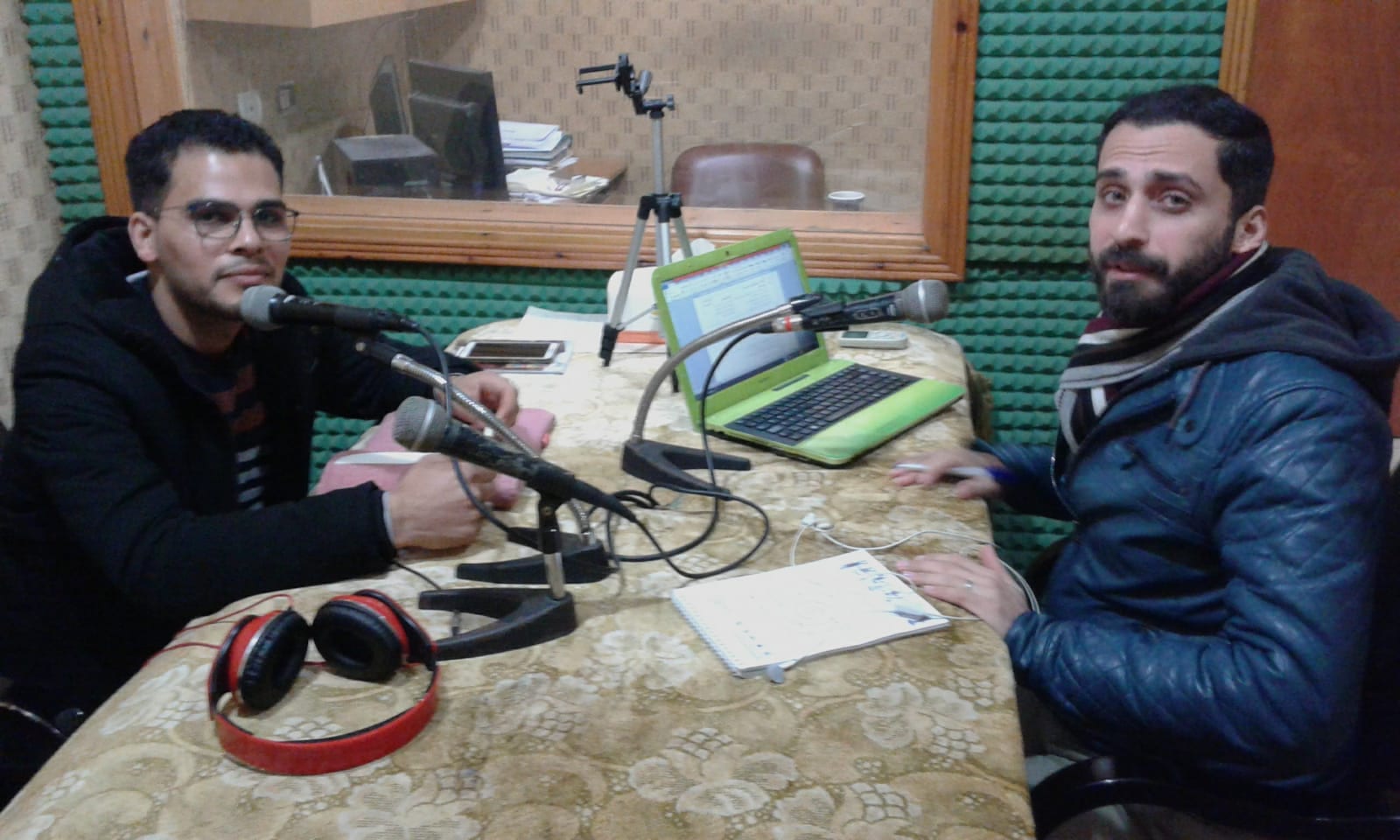
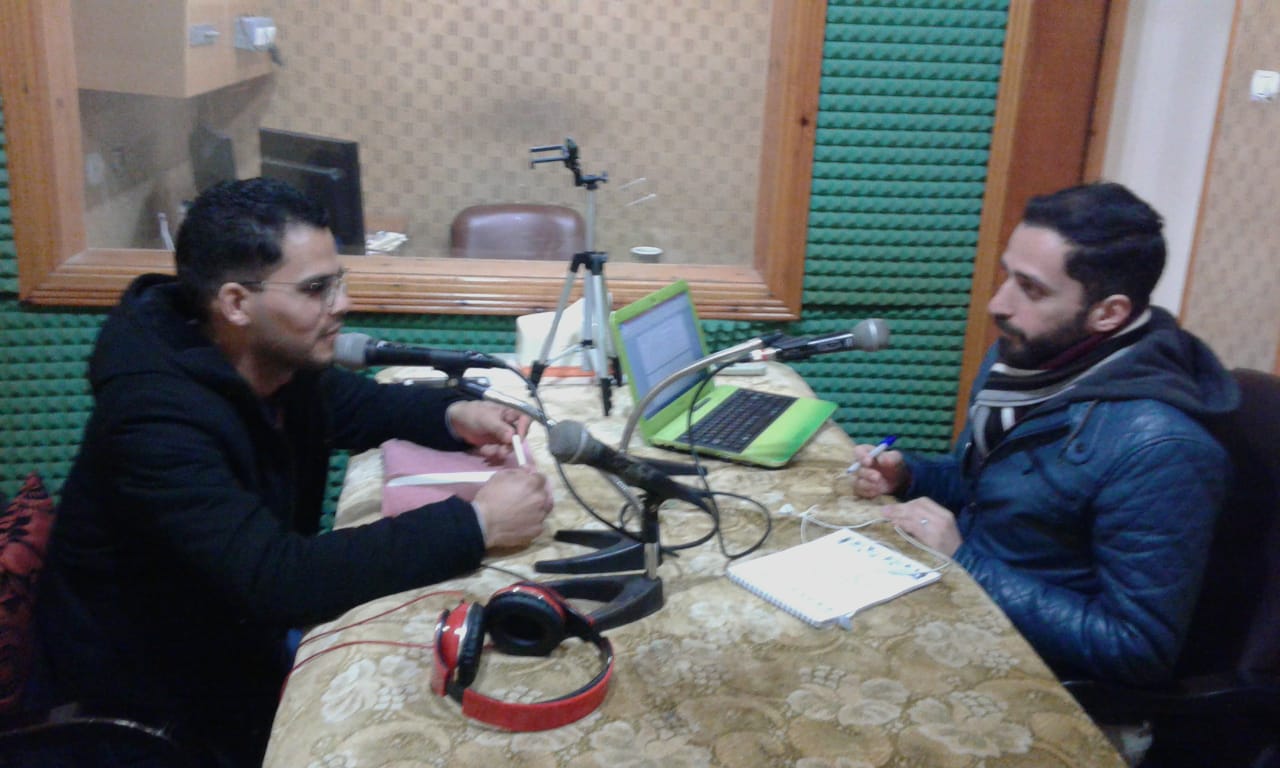
«Scientific research is the systematic way of studying a phenomenon to reach the truth» — with these words Dr. Khaled Safi of Al-Aqsa University opened episode ten of «Youth Participate», discussing Fikri Yahya Mohammed's paper on scientific research in Palestine.
- Author
- The editorial team
- Date
- 2020-02-25
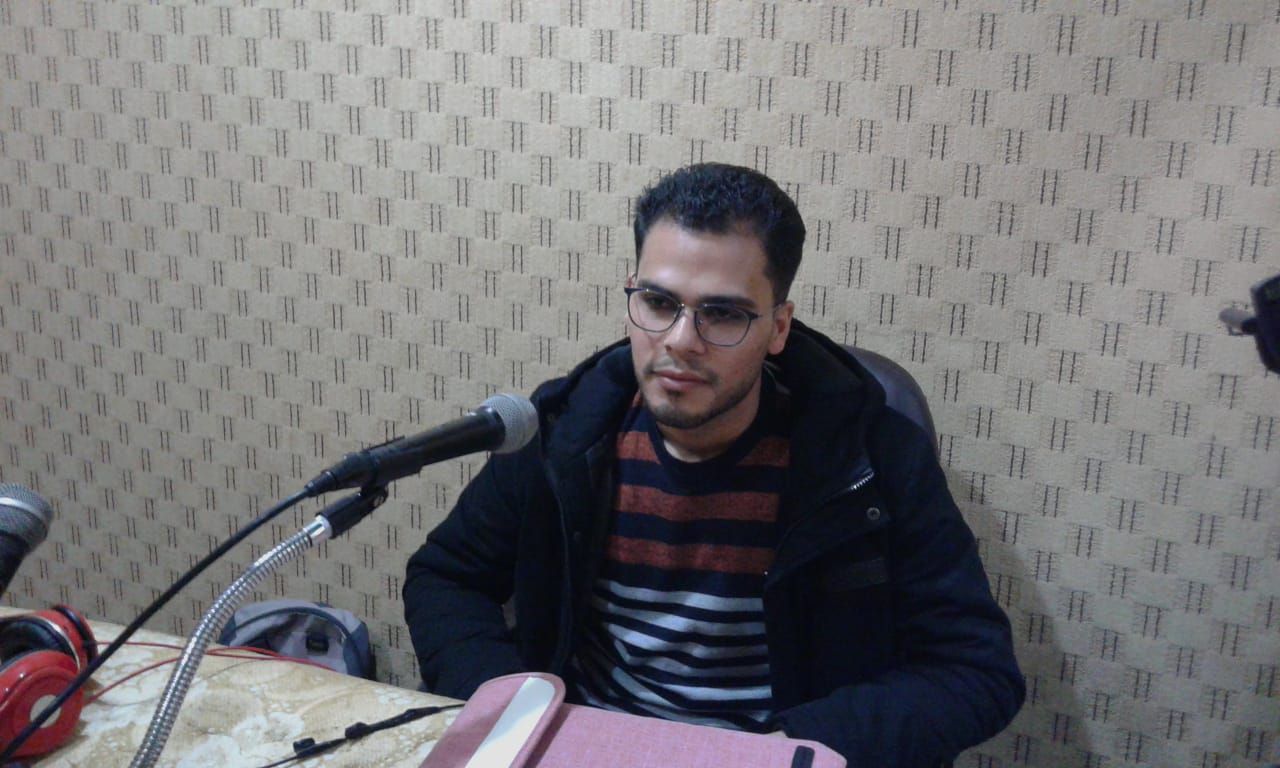
“Scientific research is the methodical way of studying a phenomenon, events, or a particular field with the aim of reaching the truth” — with this sentence Dr Khaled Safi, professor of political history at Al-Aqsa University in the Gaza Strip, opened his intervention in the tenth episode of the programme “Youth Participates”, which discussed the research paper prepared by the young researcher Fikri Yahya Mohammed under the title “Scientific research in Palestine — questions and answers”, within the project “Strengthening the democratic participation of youth”, implemented by Pal-Think for Strategic Studies with funding from the government of Canada.
Safi added that the state of scientific research in Palestine is very regrettable owing to several factors, among them weak funding, the absence of budgets allocated to it by the Palestinian Authority, and the local universities' suffering from successive crises — salaries, the operating budget, and the division — explaining that the aim of preparing scientific research has become confined to taking part in conferences and publishing in scientific journals.
He explained that these obstacles have led to graduating cohorts from the universities who practise teaching and not research, noting that the state of scientific research in Palestine does not differ much from what runs through the Arab world, its essence one and the same: the weak funding of this field — unlike what happens in Europe, where private-sector contributions fund scientific research alongside what governments allocate.
Safi pointed to the absence of genuine research centres in Palestine, and that most of what is produced in books and knowledge lies in the literary and poetic field — recommending work to solve these problems: allocating budgets, forming a higher council for scientific research in Palestine, and researchers moving from the stage of diagnosis to the stage of treatment, closing the gulf between knowledge and the decision-maker.
For his part, the young researcher Fikri Yahya Mohammed began presenting his research paper and discussing the importance of attending to scientific research from the first stages of schooling, and of moving away from assigning students research whose results are known in advance — reviewing the state of scientific research in the early school stages and the university stage, marked by repetition and similarity to what was presented before, with no radical solutions offered in much of it; and what does offer solutions goes unheeded and untaken-up by decision-makers.
In presenting the paper, Mohammed took up Palestine's laggard position in the world race of scientific research — explaining that there are many clear, genuine experiences in Japan, Malaysia, and Turkey of applying scientific research and drawing on it to change states and societies, which Palestine could take as a model for developing its scientific research and reordering its priorities across the various fields suffering abundant problems. He continued on the importance of scientific research and the necessity of adopting it to reach results, recommendations, and practical solutions that rescue society from its problems, contribute to solving its issues, and develop it in every field.