Pal-Think signs a set of agreements in support of community reconciliation
Believing national and community reconciliation to be a national task par excellence — demanding every effort of Palestinian society and the participation of all its strata — Pal-Think continued its reconciliation work.
Gaza – Pal-Think
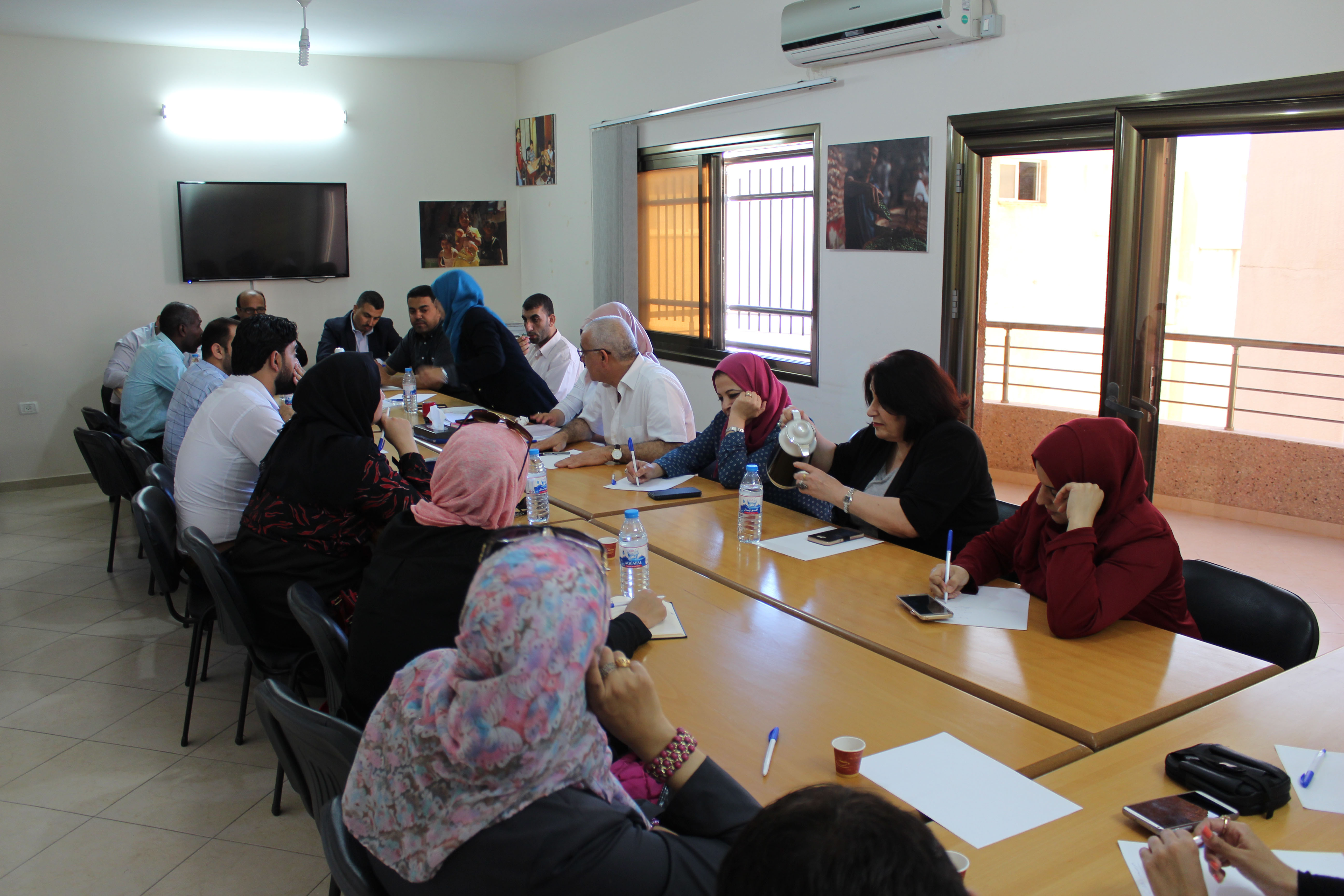
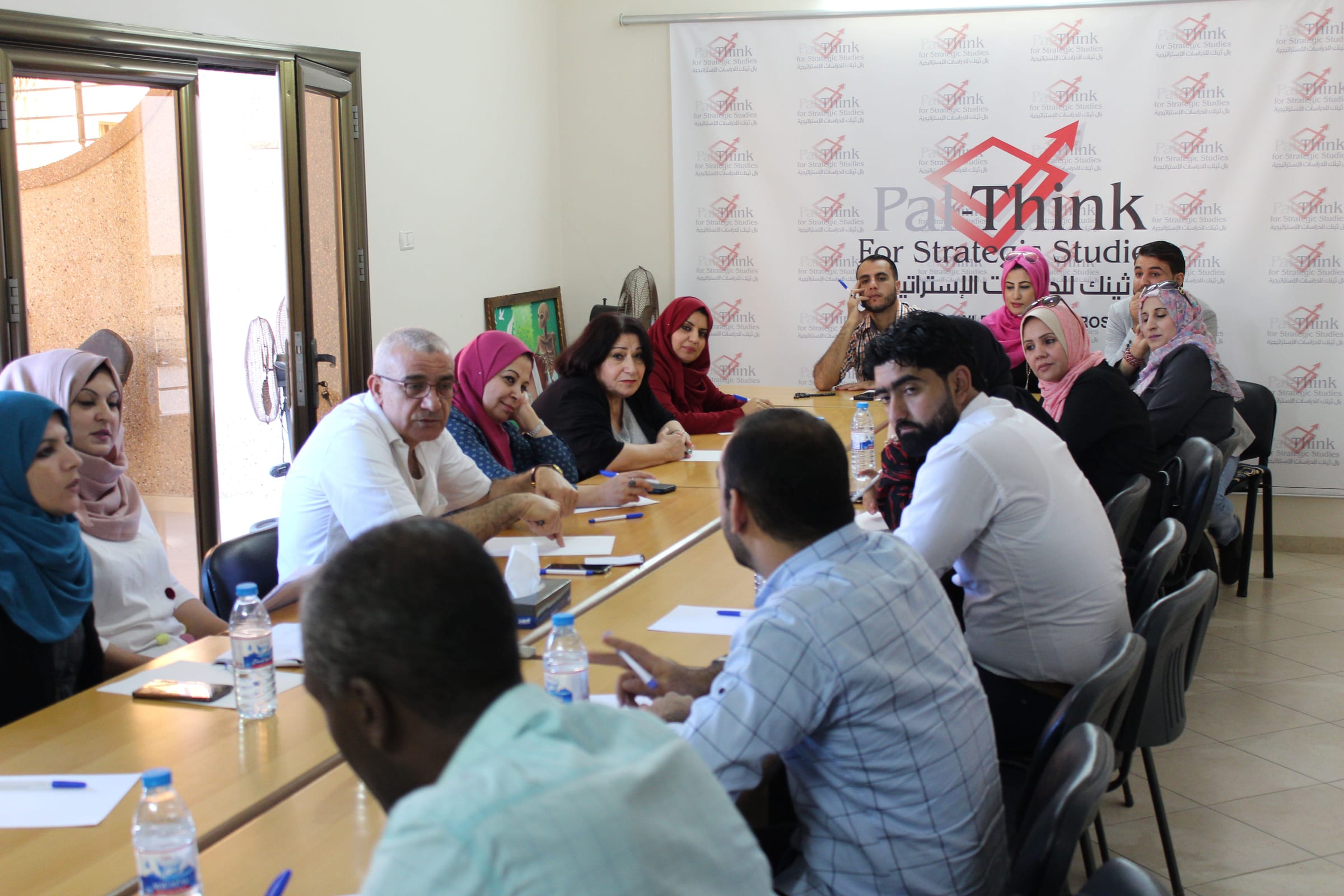
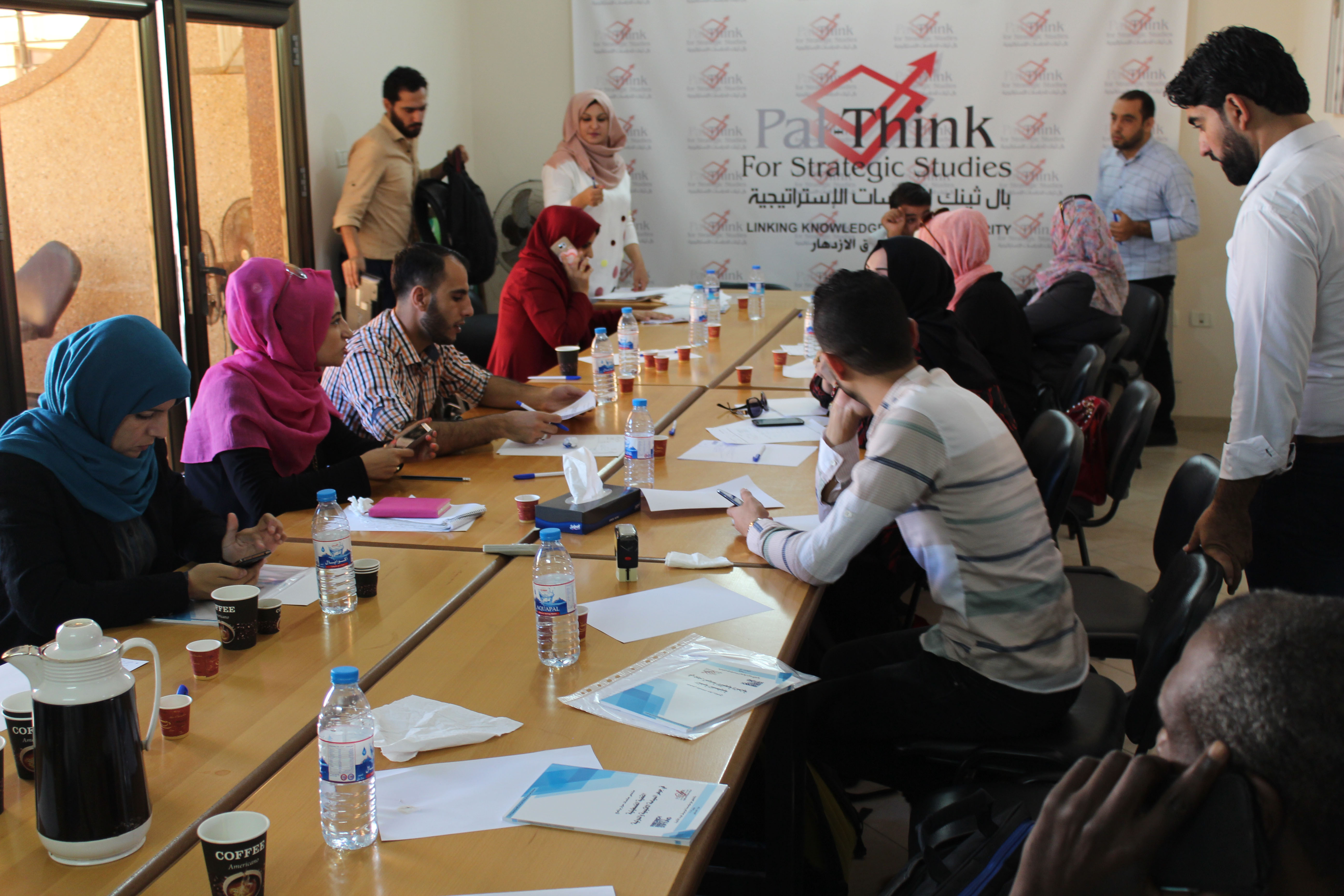
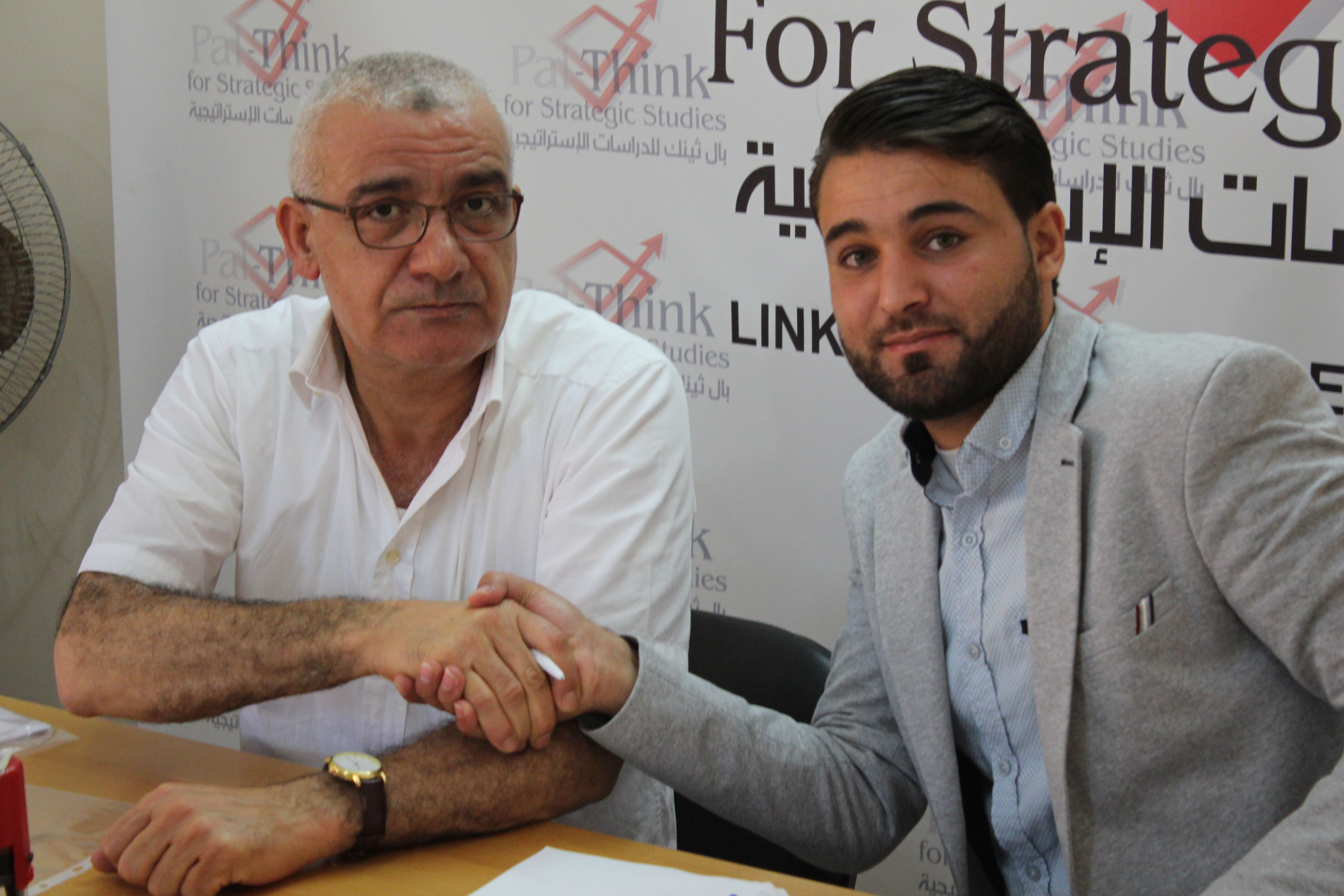
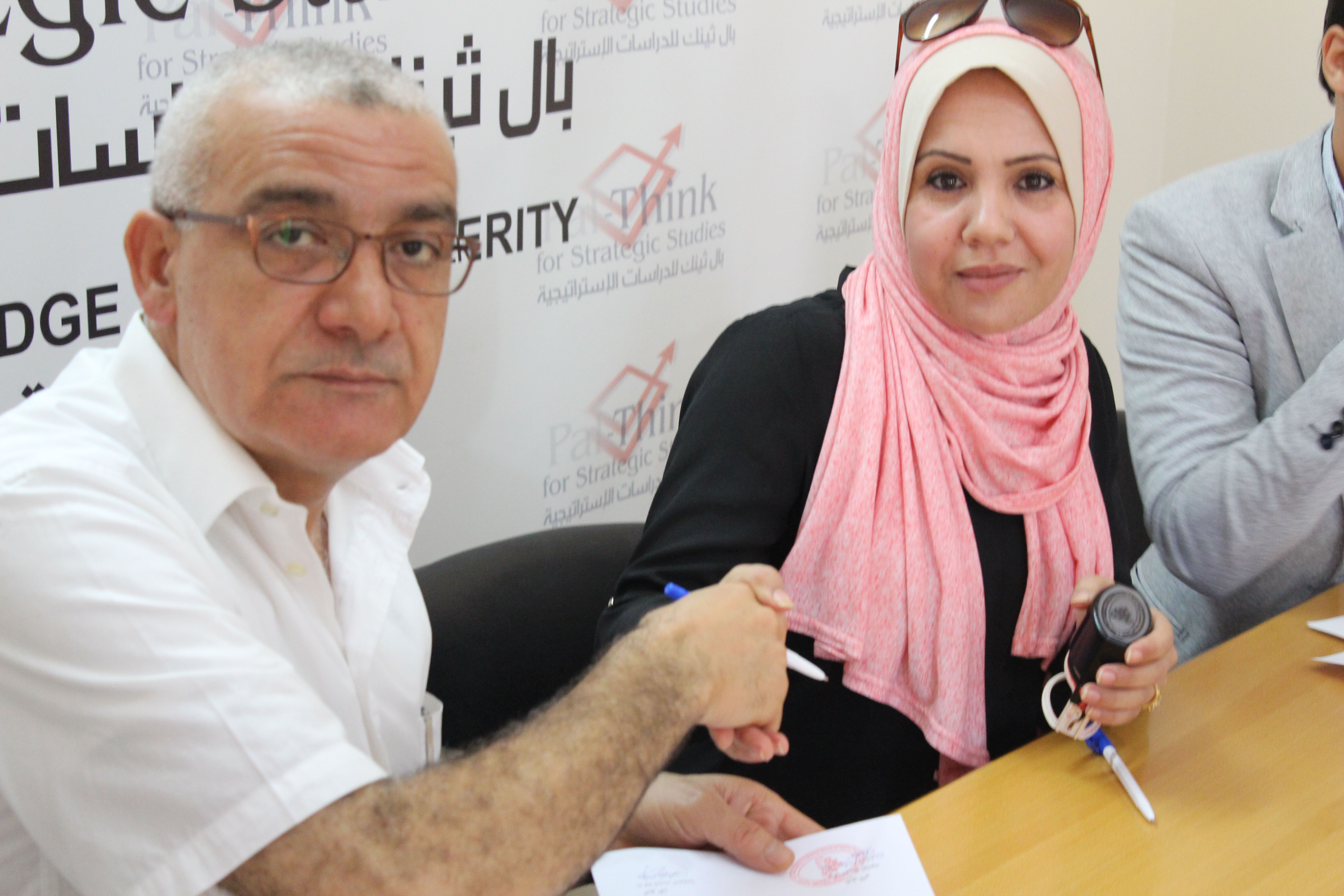
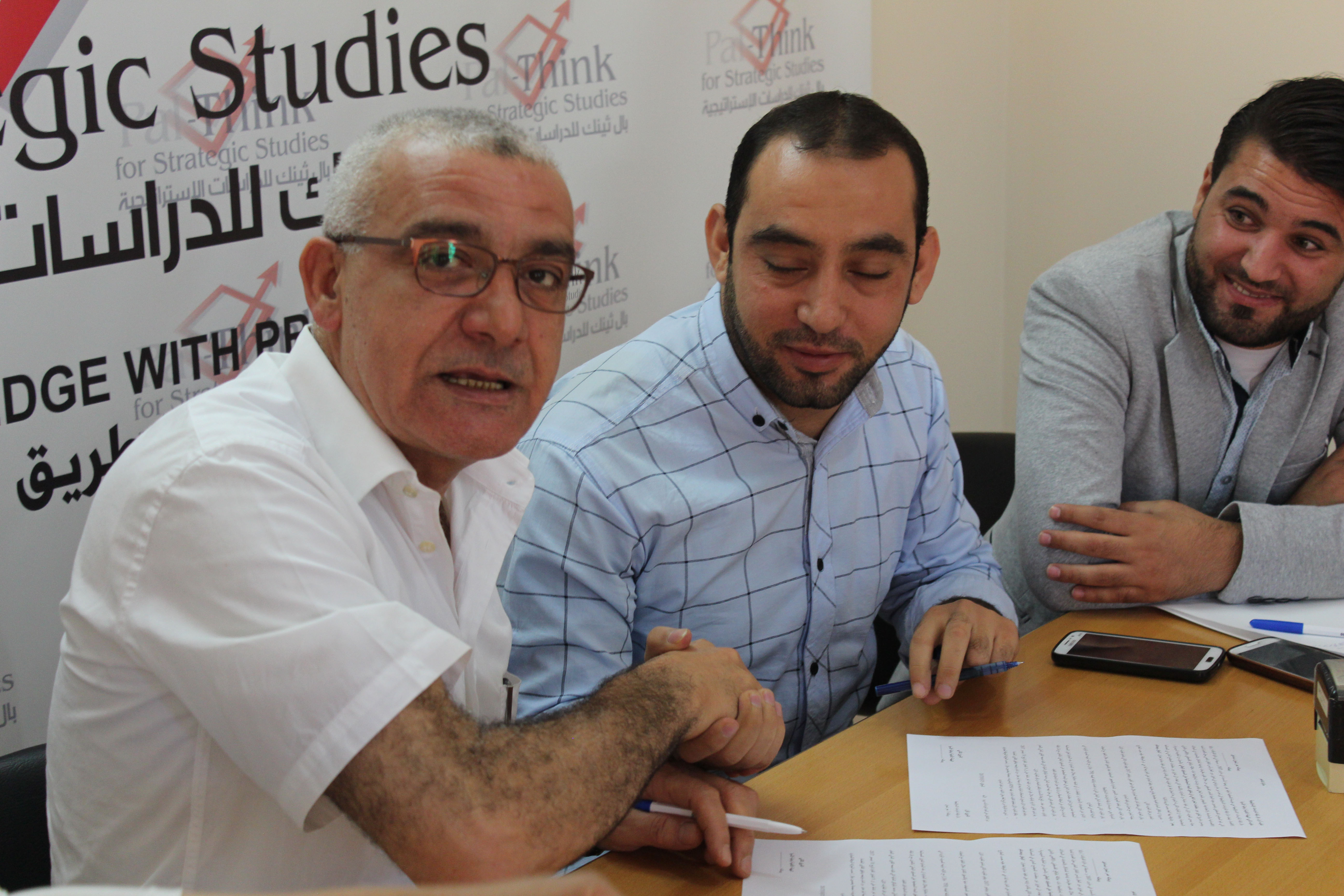
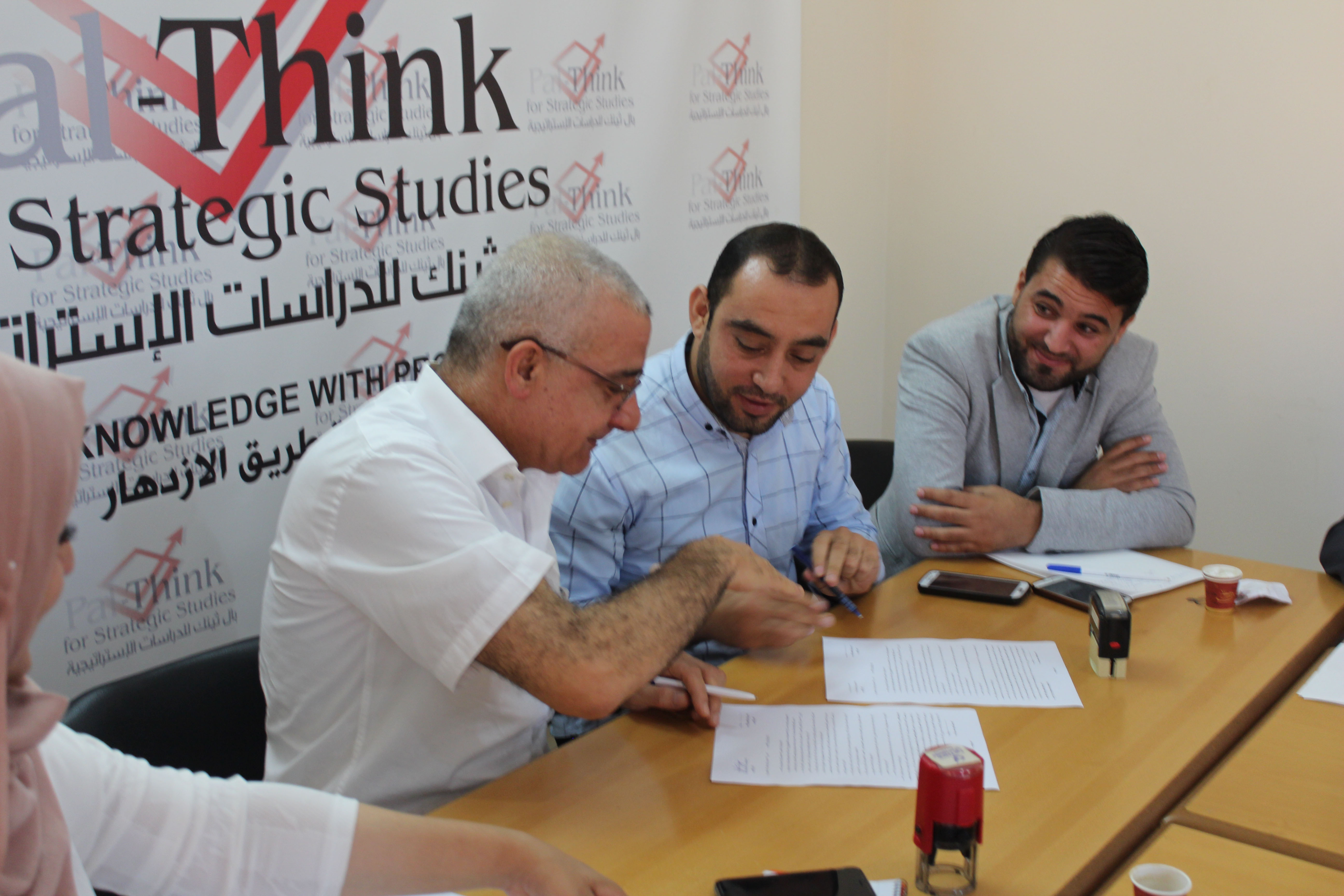
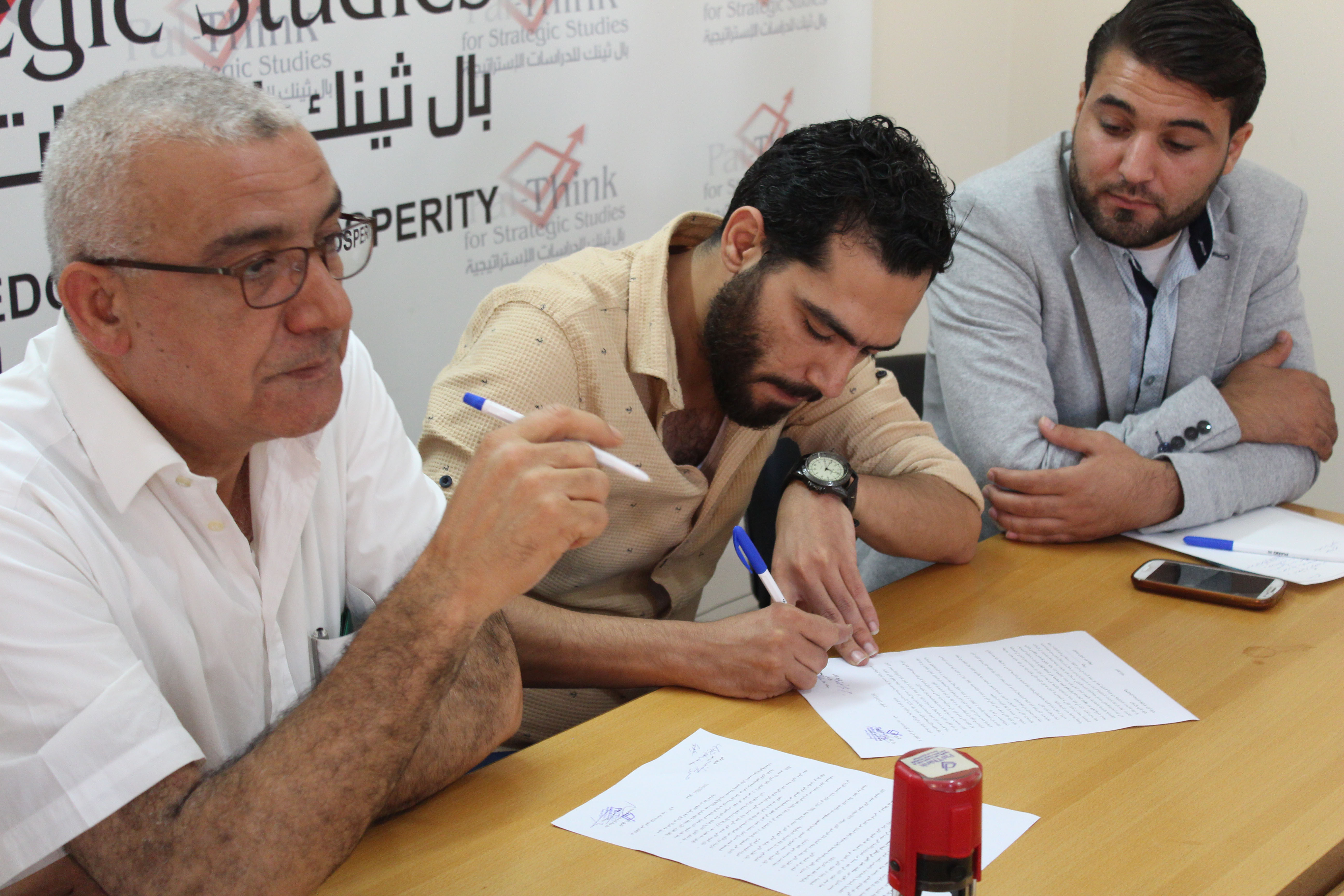
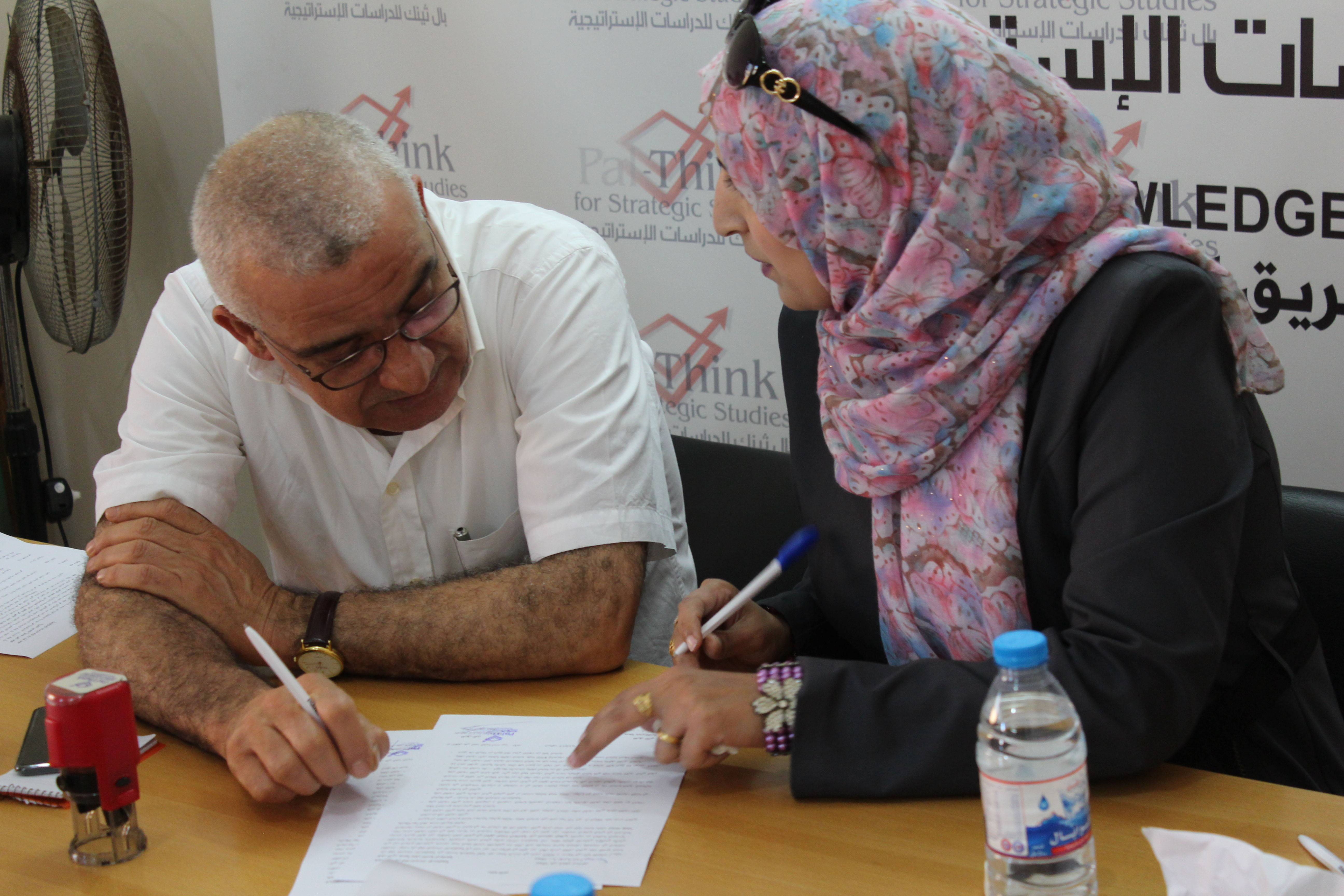
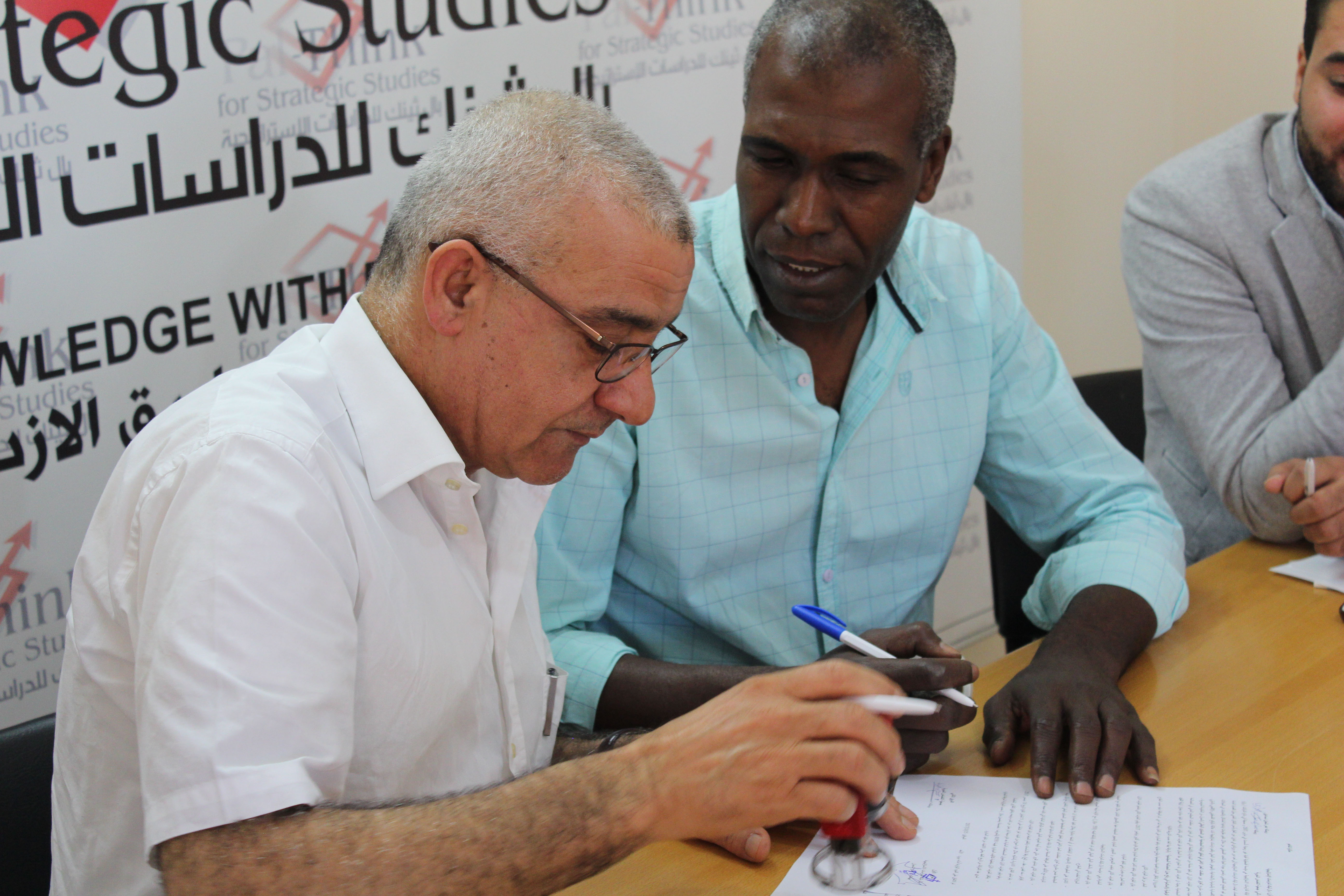
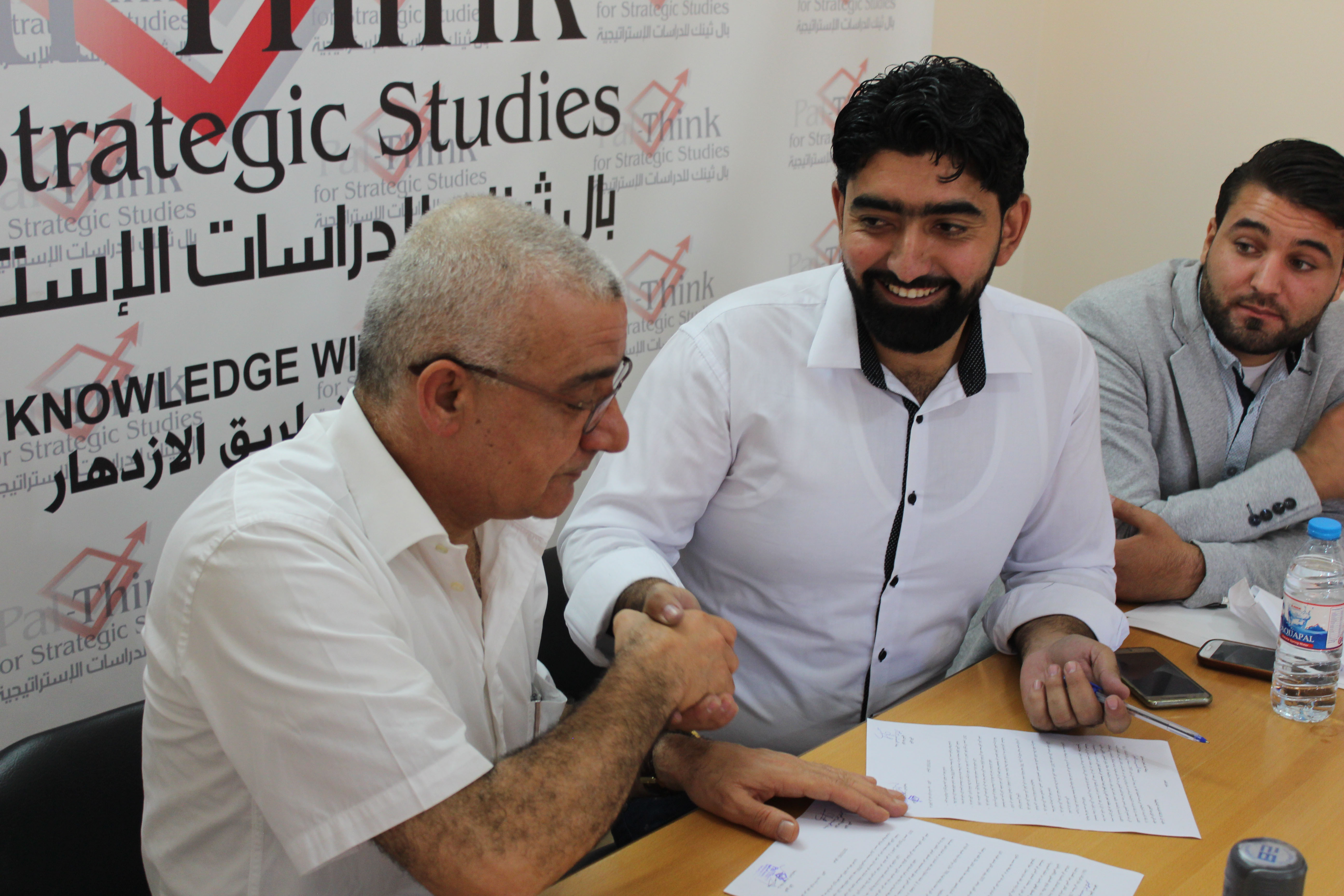
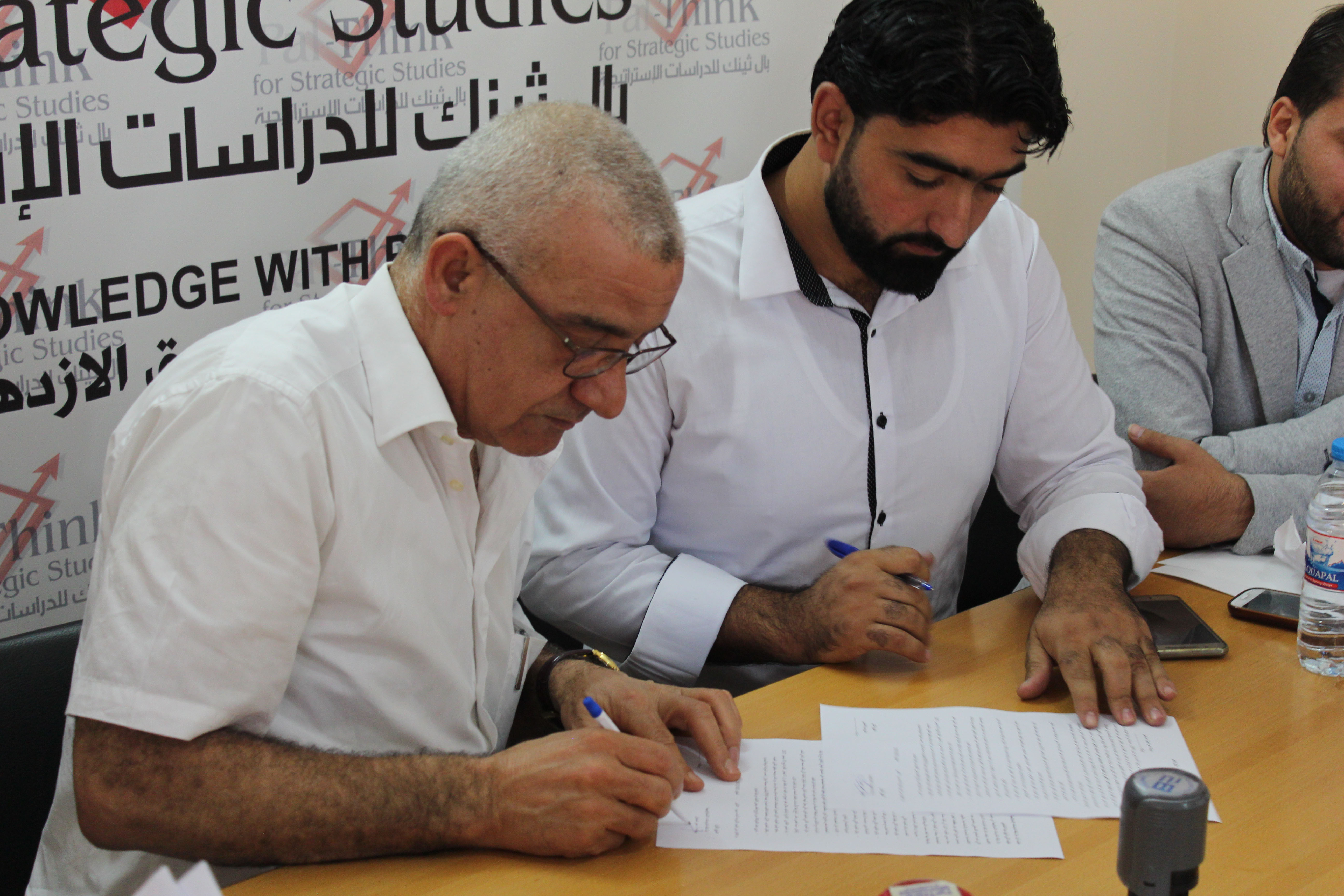
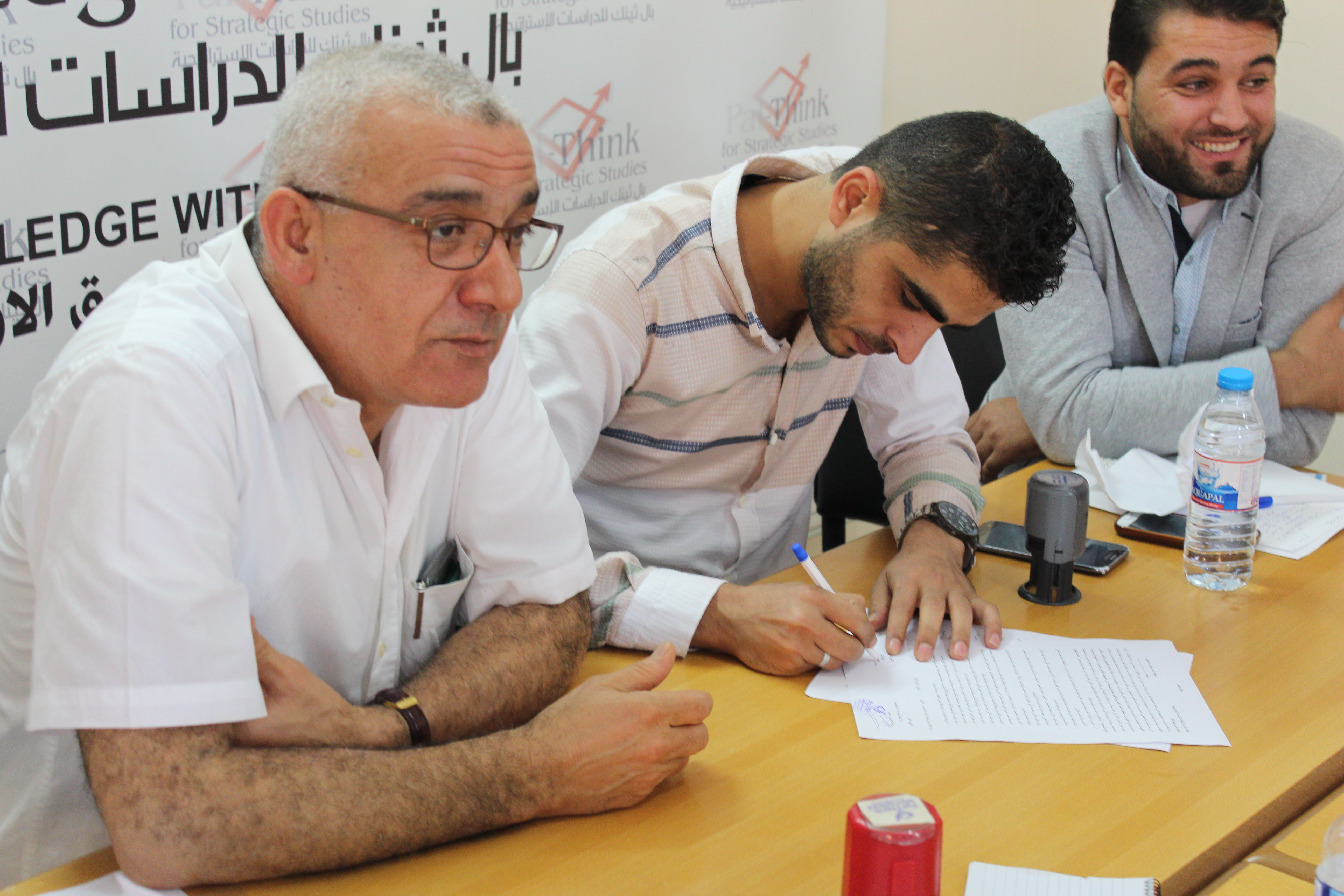
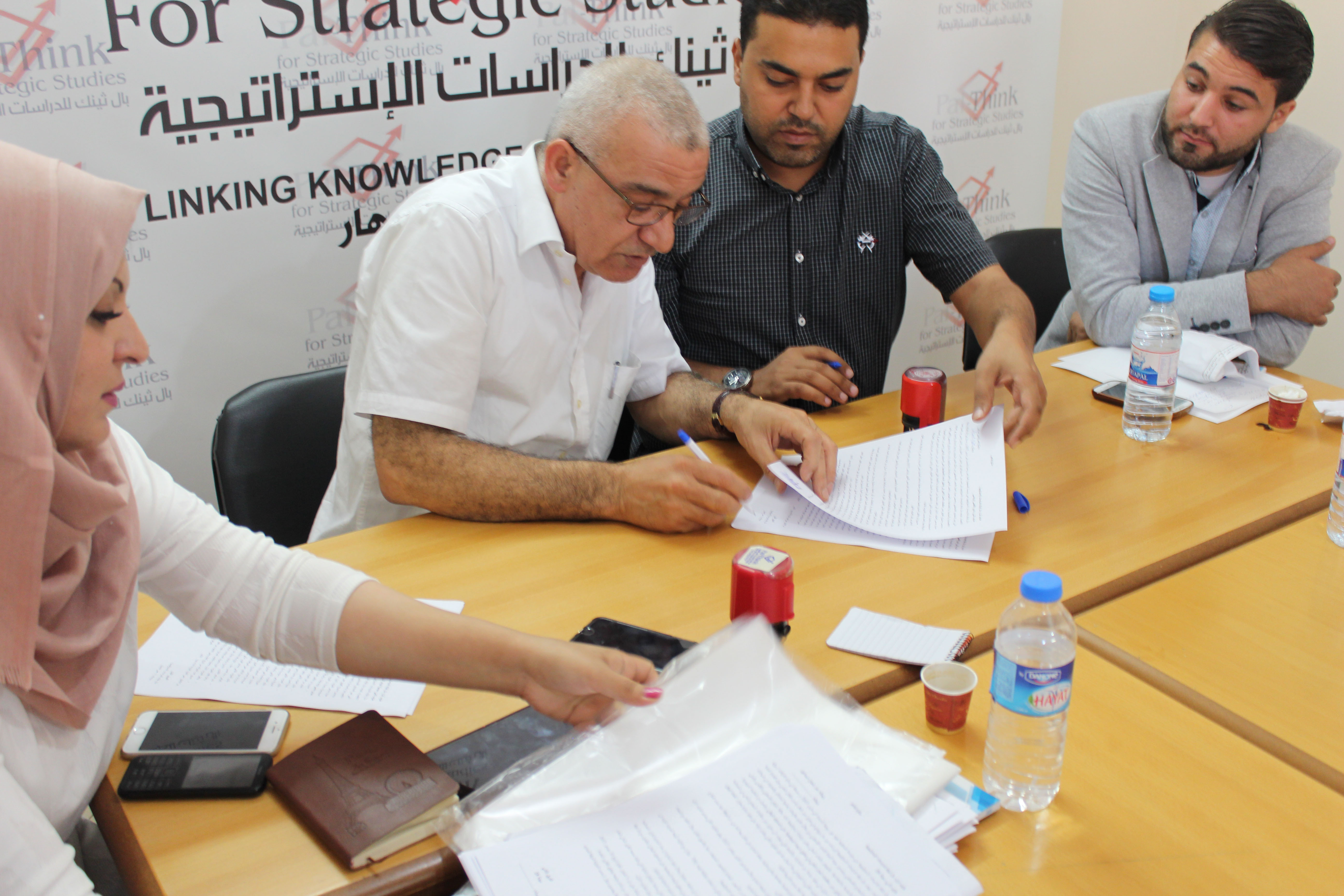
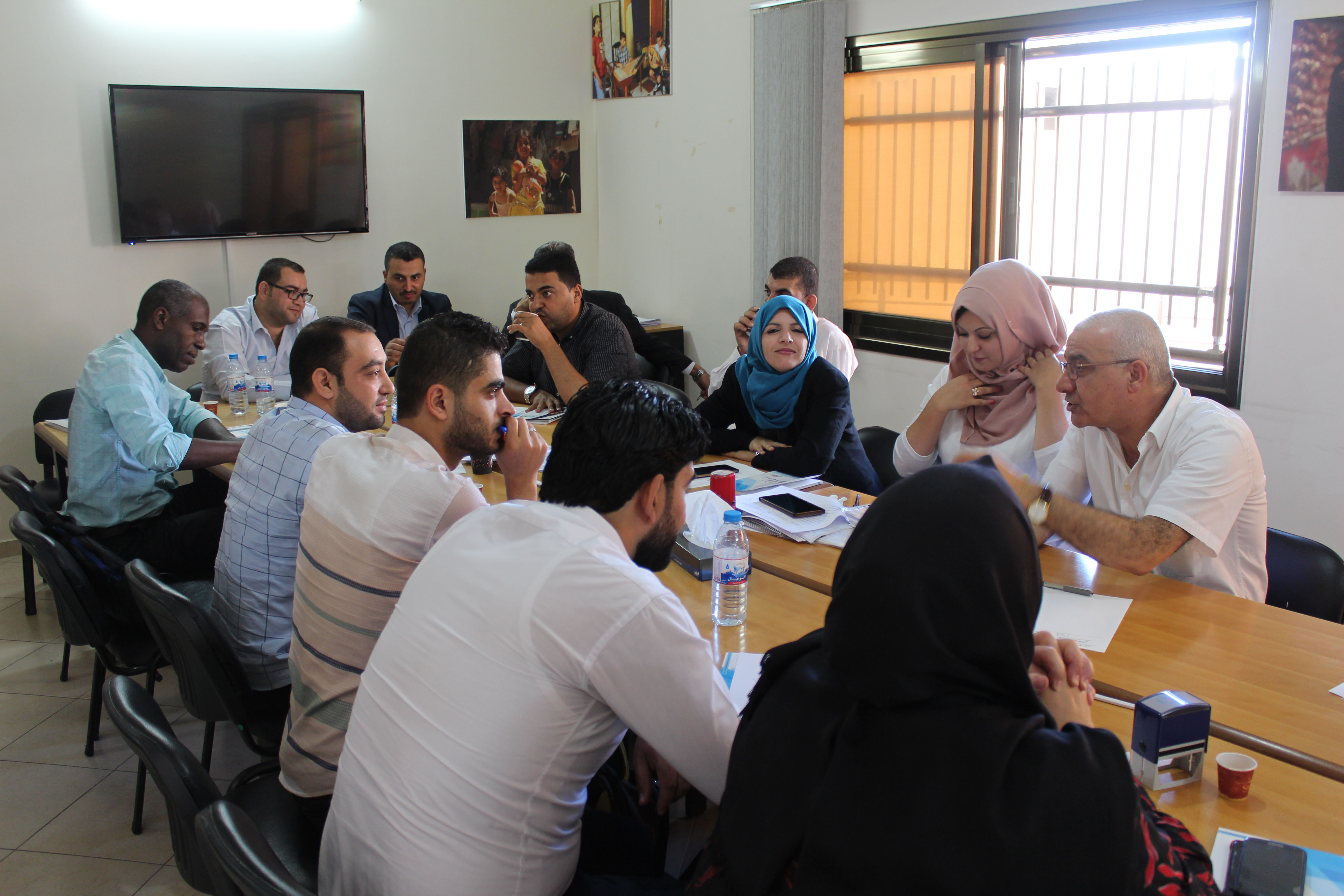
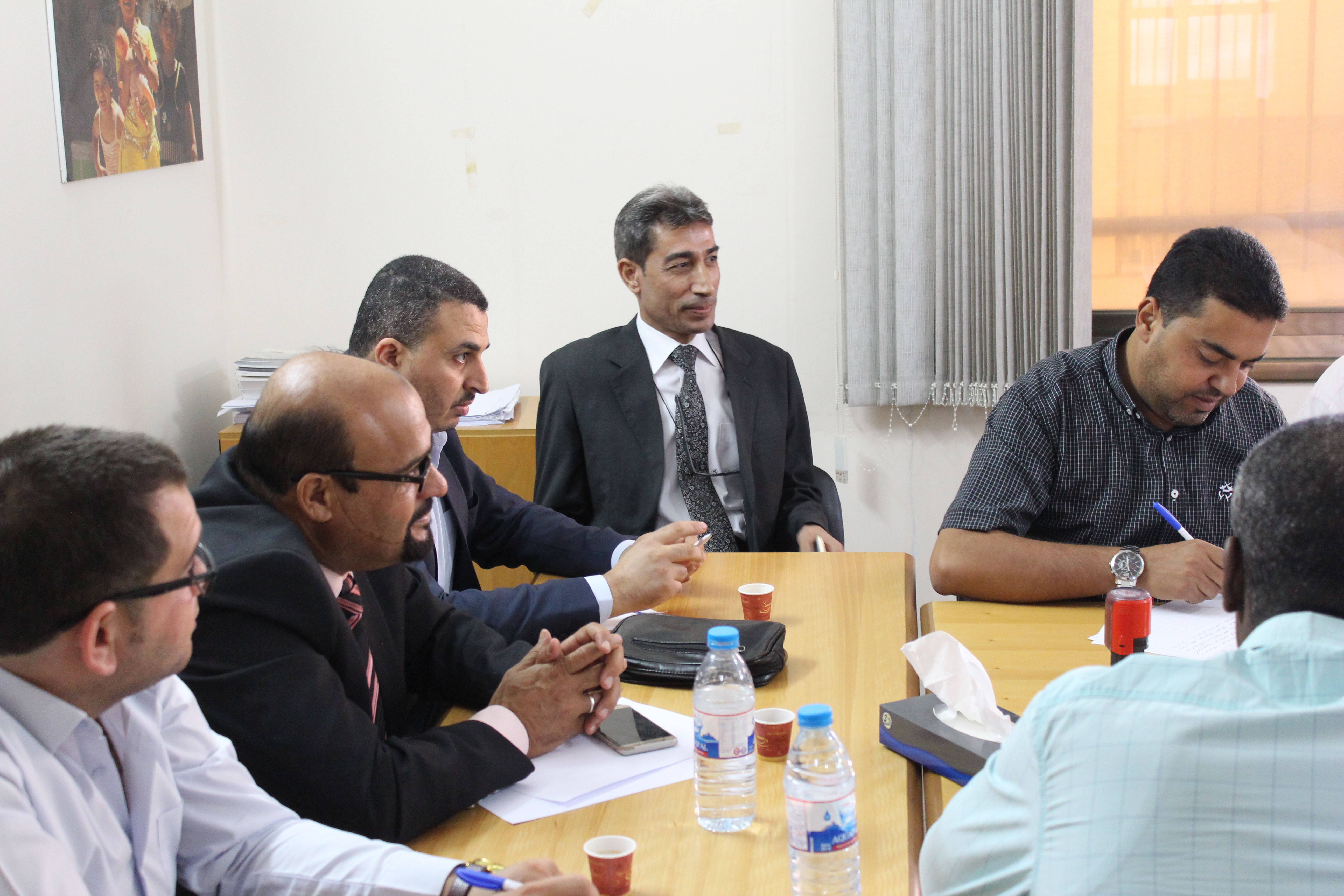
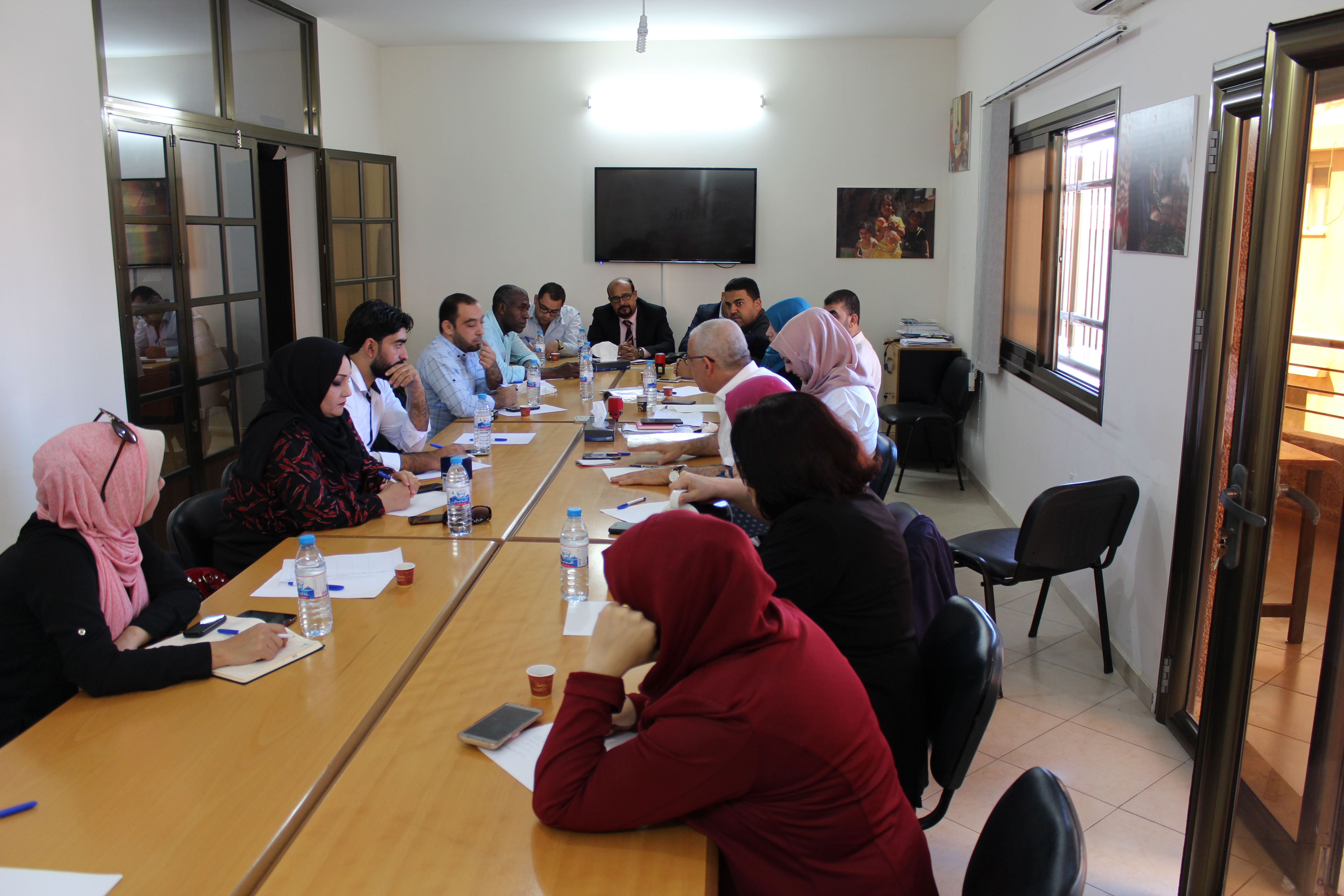
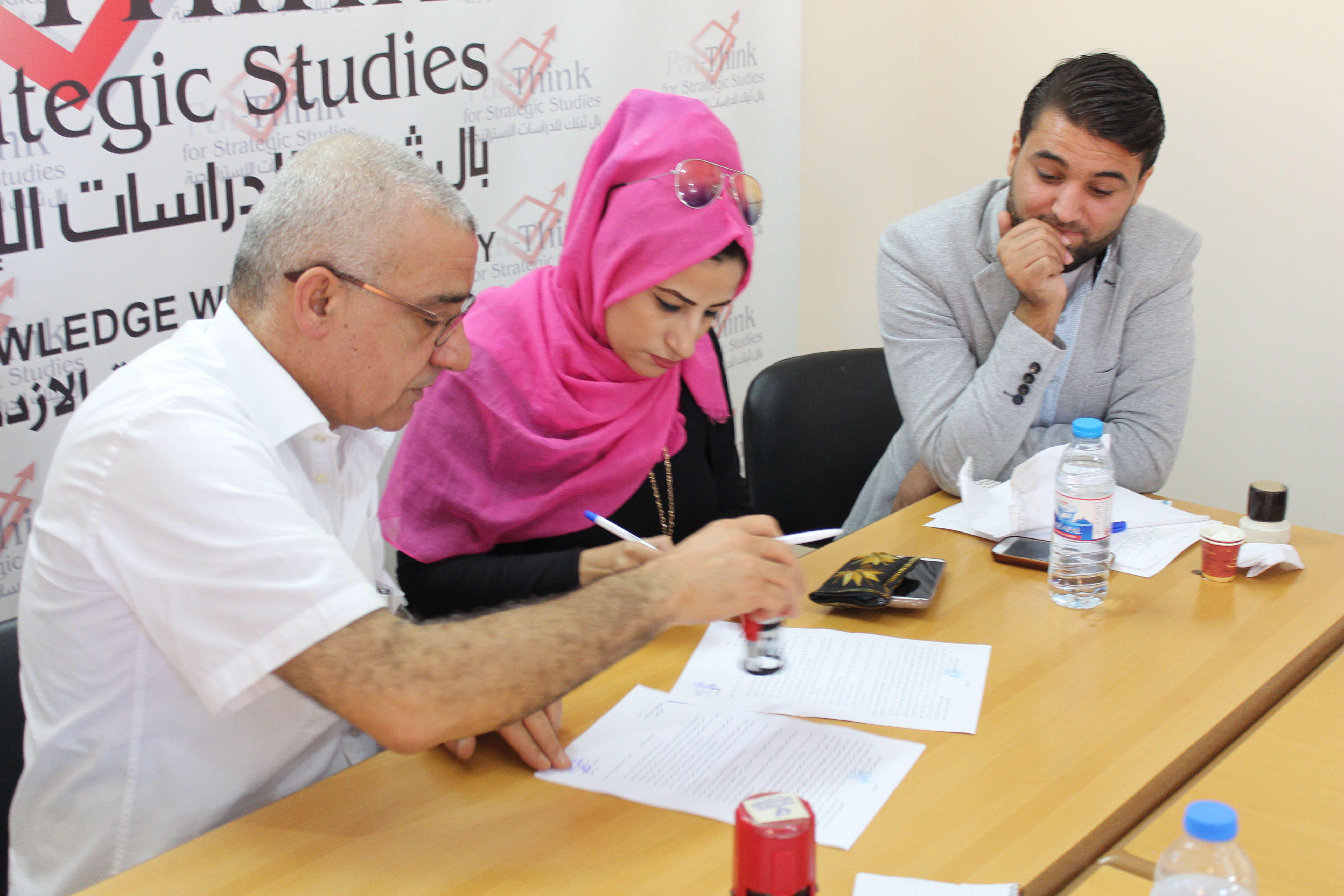
Believing that the Palestinian national and communal reconciliation is a national task par excellence, requiring the concentration of all the efforts in Palestinian society and the strengthening of the people's participation at all the levels, in all their strata, in the process of achieving tolerance and unity, and in continuation of the work of the Pal-Think for Strategic Studies institution in the national-reconciliation efforts continuing since June 2007, the director of Pal-Think for Strategic Studies, Mr Omar Shaban, signed this week a number of cooperation memoranda with many grassroots civil institutions in the Gaza governorates, which presented initiatives to implement activities and events at the level of society and in partnership with Palestinian institutions in the West Bank governorates, in a way that strengthens the work between the grassroots civil institutions in the governorates of Gaza and the north. During the signing celebration Shaban stressed the importance of the creative communal initiatives in strengthening the values and concepts of the reconciliation as a communal culture in all the Palestinian governorates, and the importance of the joint work between the governorates of the Strip and the West Bank, which most of the initiatives implemented, or those under implementation, have translated. The partner institutions reviewed the communal initiatives and their goals in achieving communal unity and the national reconciliation — these initiatives were distinguished by a high degree of seriousness and creativity, and they are initiatives taking place with the people, the victims of the division, and at the national level.
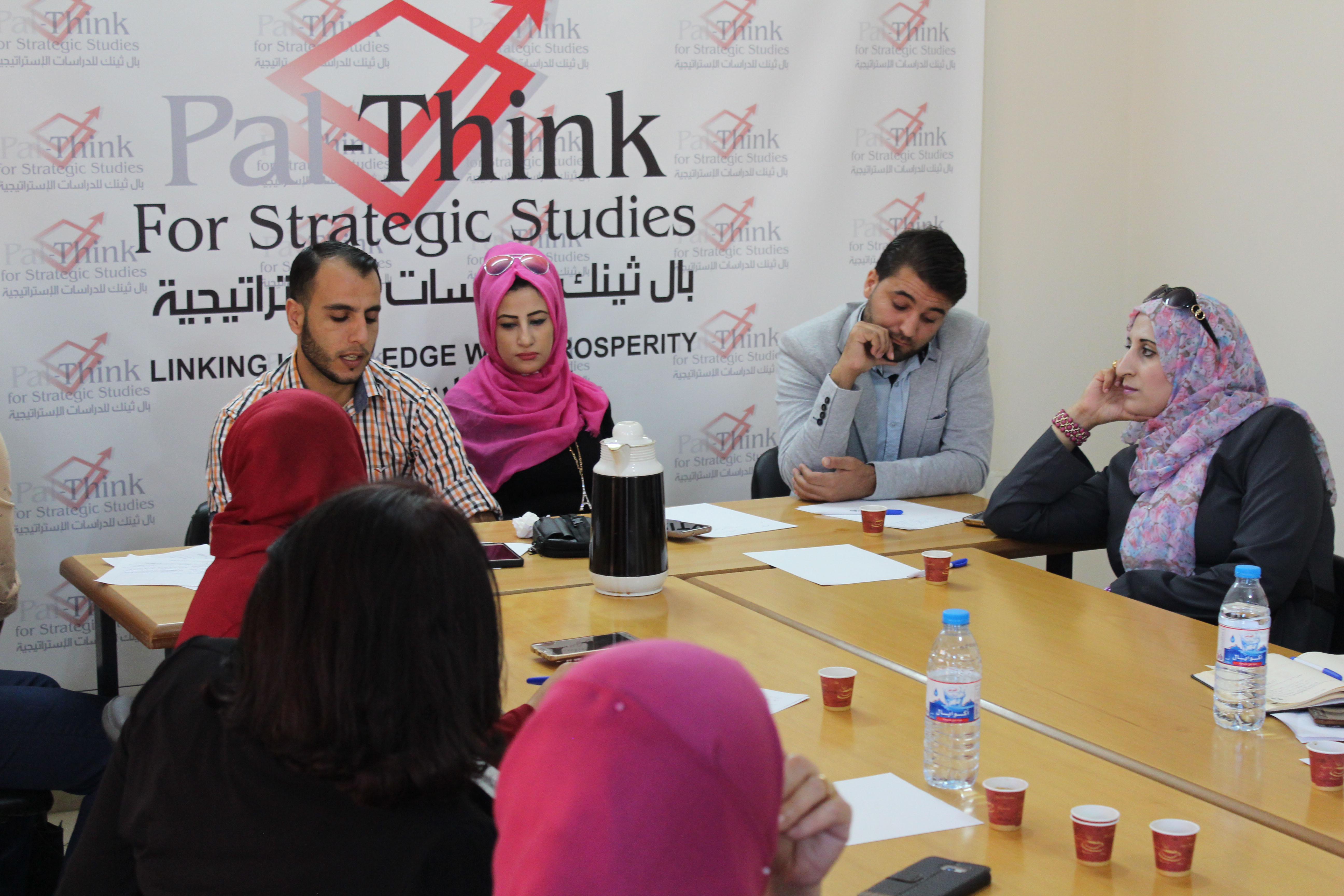
Ms Zainab al-Ghneimi of the Centre for Legal Research and Consultation, in cooperation with Amal Siyam of the Women's Affairs Centre, spoke of the preparations for launching the initiative of the conference “Women partners in achieving peace and social harmony”, which gathers a group of influential women figures, partisan and independent political figures, Palestinian academics, and leaderships of the women's, rights, international, and communal institutions. It will be implemented in the Gaza Strip and the West Bank via video-conference technology, and the conference will include a number of working papers to discuss the joint national issues and to particularise the needs of each area.
Mahmoud al-Shaer of Magazine 28 reviewed the details of the initiative “Poetry gathers us”: this event is the second of this kind the magazine organises in partnership with Pal-Think — at the beginning of last February we implemented the “Poetry gathers us” event, which also hosted poets and writers from Gaza, the West Bank, and the Palestinian interior, and today for the second time we succeed in surpassing the geographical borders for the sake of communication and gathering the young literary voices in one event and also on one stage.
In his turn, Hassan Safar of the Deirna youth team spoke of the initiative “The quarter of tolerance”, which was implemented in the Palestinian neighbourhoods in the Deir al-Balah area through the different activities, such as colouring the quarter's walls with drawings about tolerance and reconciliation, a participation via contact with a national figure from the West Bank, and the drafting of a reconciliation document among the quarter's residents, printing it in large form and hanging it at the quarter's entrance, and strengthening the spirit of love and brotherhood among its members.
It is recalled that the support of the initiatives comes within the project of strengthening the contribution of the grassroots civil-institutions sector in the two halves of the homeland to achieving communal unity at the national level, under the sponsorship of Pal-Think for Strategic Studies and with funding from the Swiss government. It is worth mentioning that the selection process took place through a neutral advisory committee formed of representatives of some partner institutions, as the field of applying to benefit from these initiatives was opened to all, and an announcement was published to bring in initiatives publicly. In the coming days a similar celebration will be organised to sign a number of cooperation memoranda with grassroots institutions in the northern governorates.
At the session's conclusion it was agreed on the importance of unifying the role of the assembly of civil institutions for the Palestinian reconciliation under the shade of a network base, in order to strengthen the role of communication and strengthen the people's participation at all the levels, in all their strata, in the process of achieving tolerance and unity at the national level.