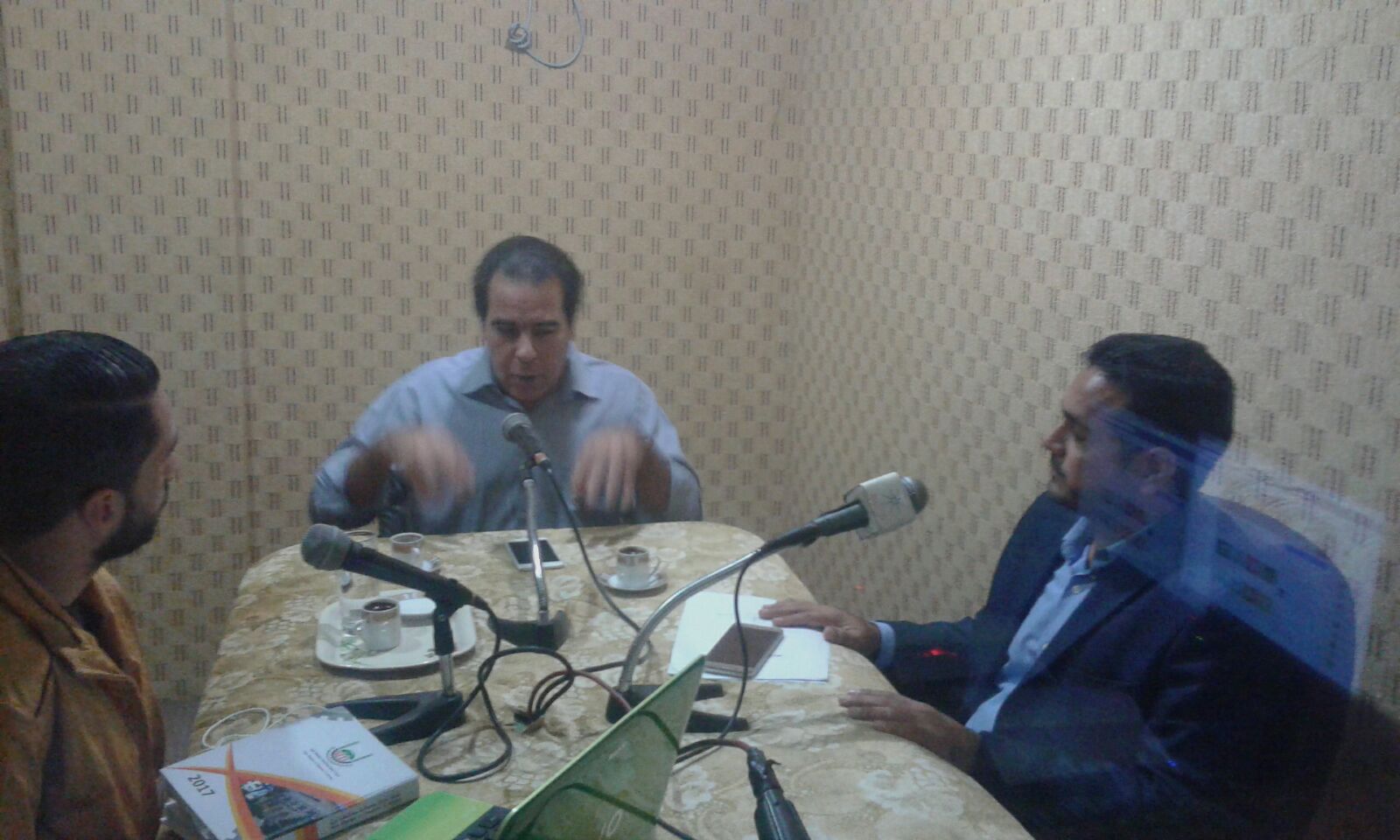
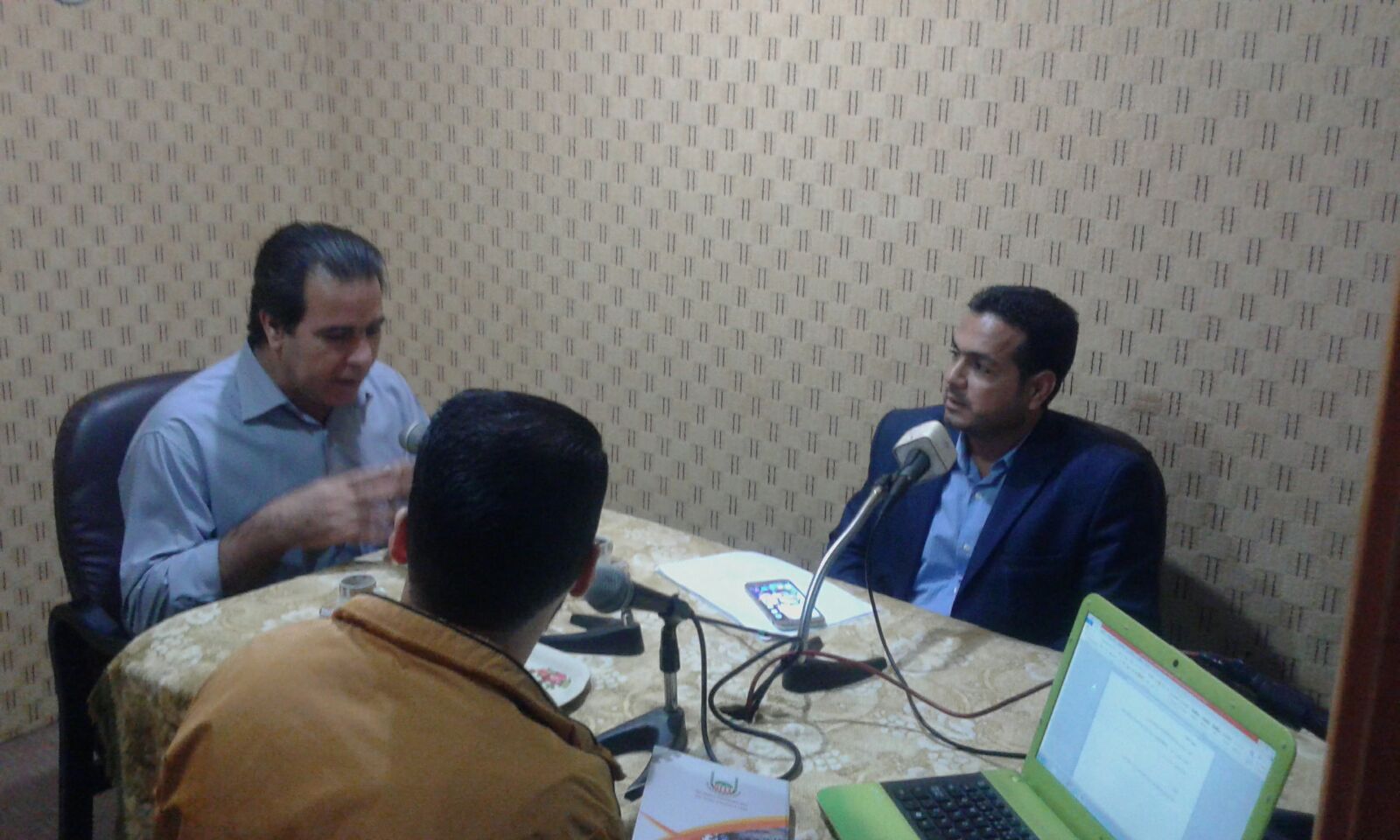
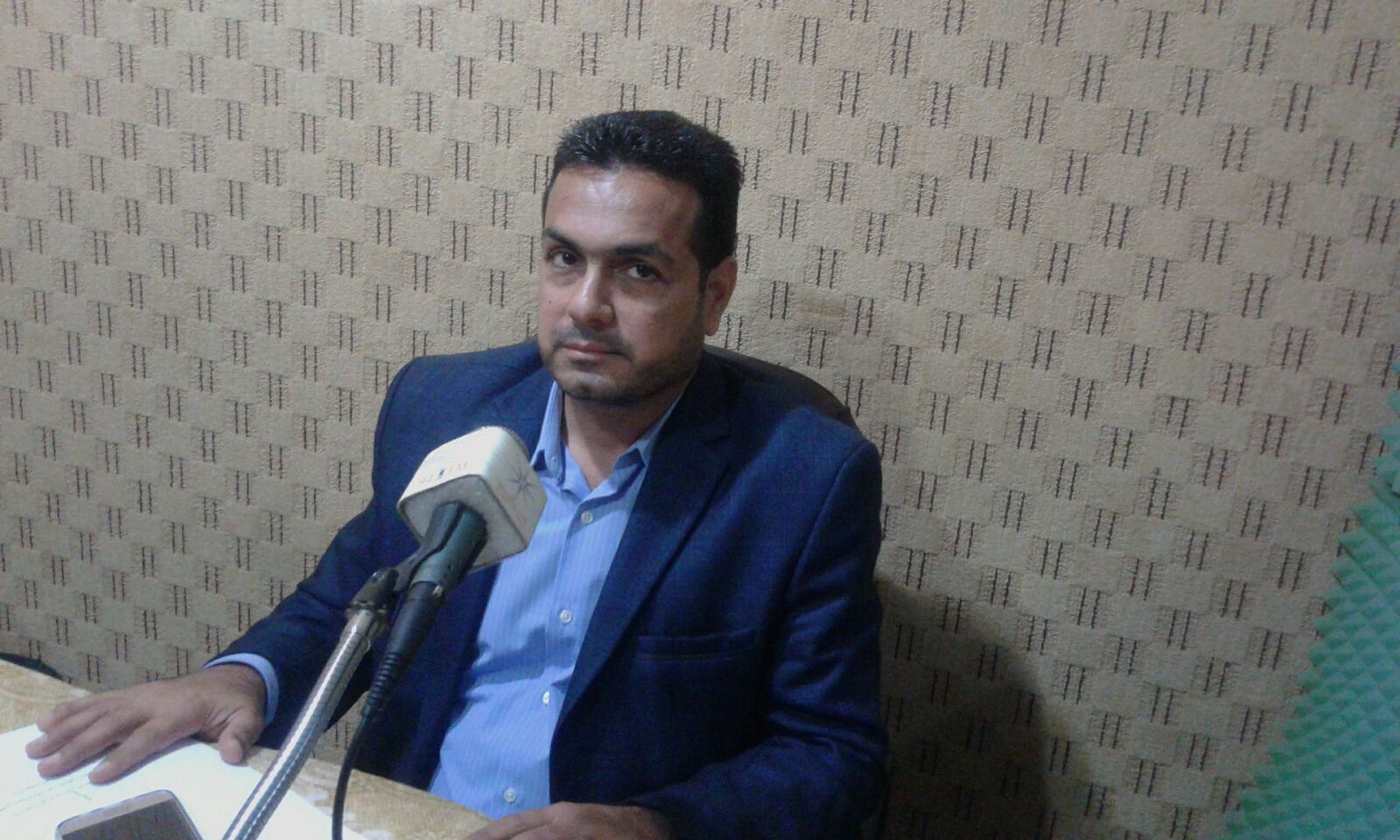
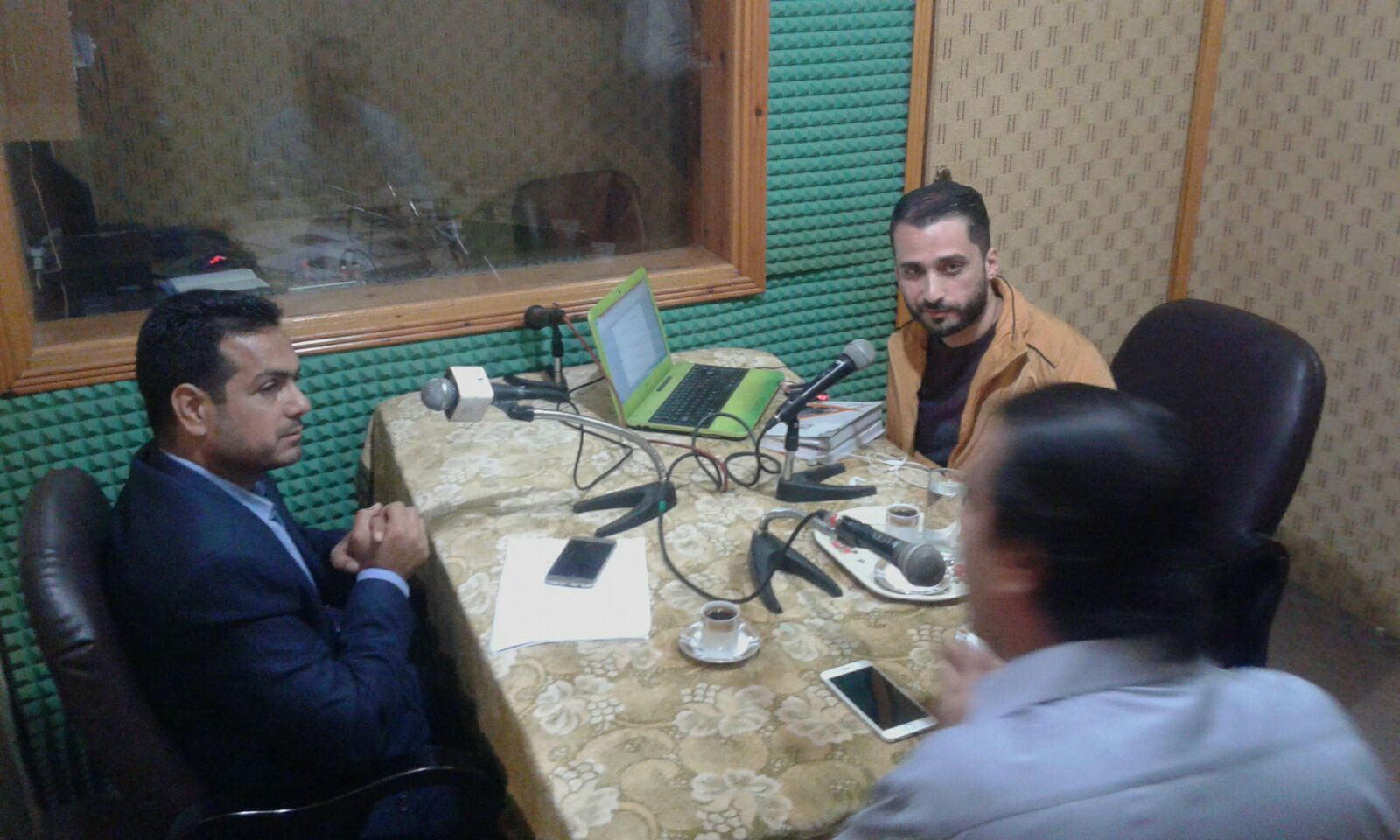
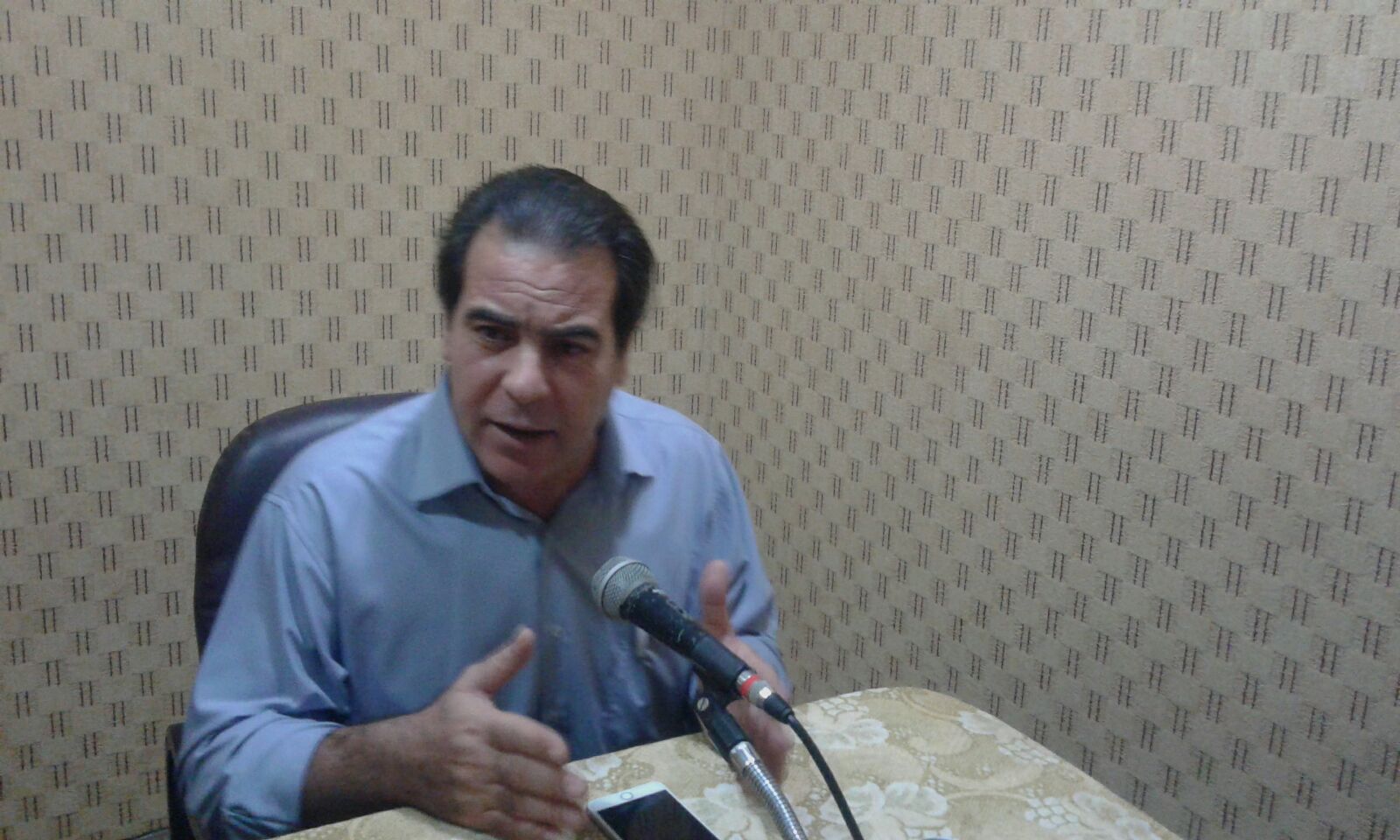
The first episode of the «Democracy and Youth» radio programme airs on Radio Alwan
Pal-Think ran a radio programme on Alwan Radio, «Democracy and Youth», funded by the Government of Canada under «Strengthening democratic and civic values of Palestinian youth».
The Pal-Think for Strategic Studies institution organised a radio programme on Alwan radio in the Gaza Strip on “Democracy and the youth”, with funding from the Canadian government, which comes within the project “Strengthening the democratic and civic values of Palestinian youth”. The programme comes within the realisation of the institution's vision and affirms the youth's role in political participation in decision-making, engaging them in the strategic role, and treating their social issues in a manner suiting their required rights.
The programme's first episode took up the talk on foreseeing the future of the youth in the Palestinian political system. The episode's guest, Dr Wajih Abu Zarifa, journalist, researcher, and professor of political science in Gaza, affirmed the strong desire among the youth for political work, but the obstacle is the Palestinian division, which has not given them a true and actual field, as well as the rotation of power and the absence of elections. He also affirmed that there is a principal obstacle, which is the occupation, which has curbed the youth's energies and prevented them from taking a stand — in addition to there being no political culture among the youth.
Dr Ibrahim Muammar, chairman of the board of the National Association for Democracy and Law, began by saying that there is a high proportion, represented in 73%, who do not belong to Palestinian parties, and this indicates the decline of political work for them; the proportion of the youth's membership in the parties has reached 38%, affirming that that is a dangerous indicator.
In his turn, the youth activist Arafat Abu Zayed affirmed that we as youth must take the reins of initiative through pressing for the ending of the division, and that the youth's role in the reconciliation process comes to guarantee their empowerment to take their true role, and to work on adopting a national strategy in which the youth are in decision-making.
In the conclusion the participants affirmed the organising of the youth in a fitting form, coinciding with the dangerous challenges the Palestinian people are passing through, able to achieve their inclusion in political work.
To listen to the radio episode: