Discussion: the dominant bloc in the Israeli system and its bearing on the Palestinian question
Pal-Think held a discussion of Dr. Muhannad Mustafa's position paper «The structure of Israel's political and electoral system and its effects on decisions towards the Palestinian question», focused on the dominant-bloc system.
The Pal-Think for Strategic Studies institution organised a session to present and discuss a position paper by the researcher Dr Muhannad Mustafa under the title “The structure of the political and electoral system in Israel and its effects on the decisions toward the Palestinian cause”, in which he focused fundamentally on the system of the hegemonic bloc in the Israeli system.
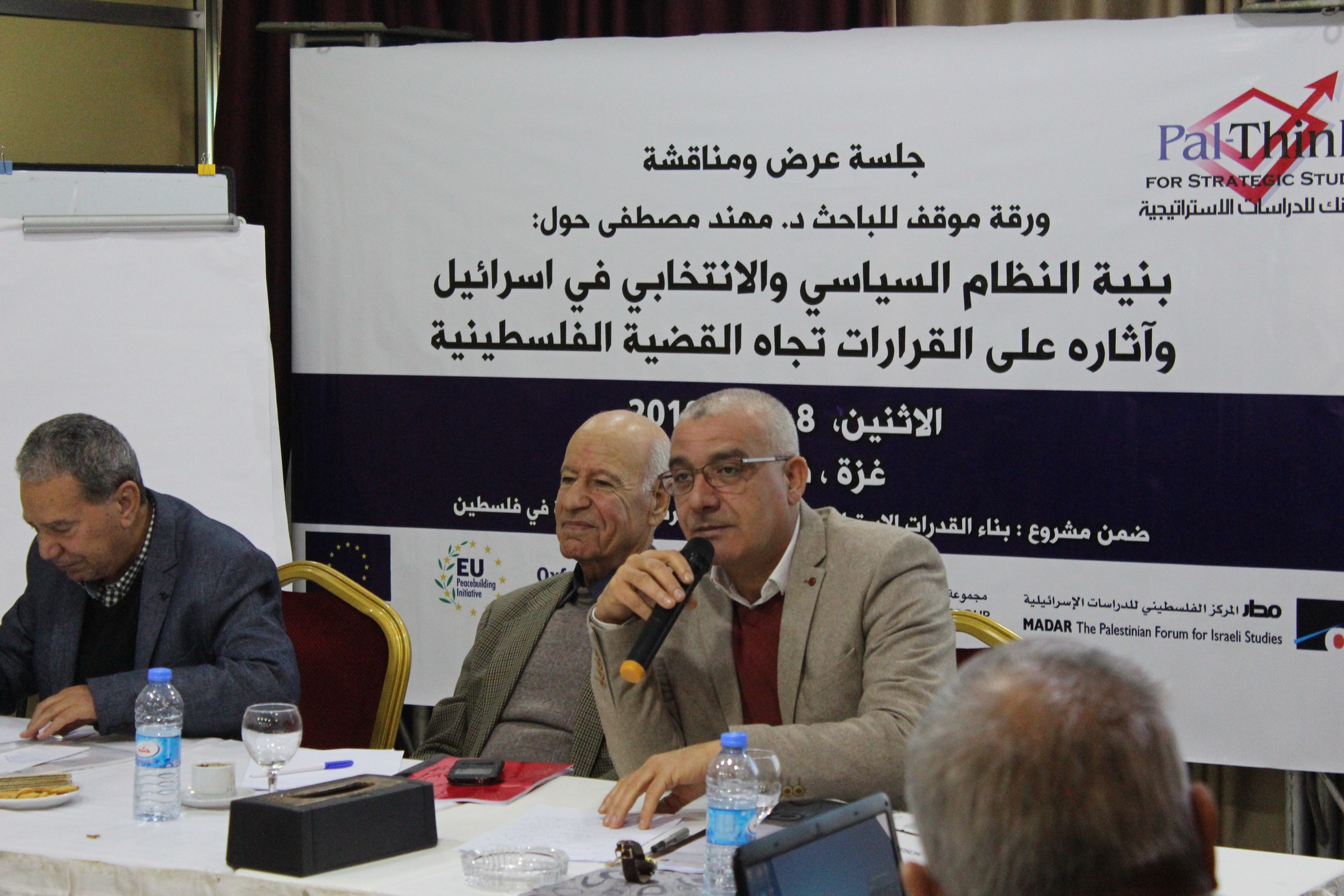
This meeting, organised by “Pal-Think” in cooperation with the Palestinian centre for Israeli studies “Madar”, the Palestine Strategy Group, and the “Oxford” group, comes within the project “Building the strategic capacities of the official and civil institutions in Palestine”.
The paper's author, Dr Muhannad Mustafa, professor of political science and researcher at the “Madar” centre for Israeli studies in Ramallah, was hosted via Skype to review and discuss the most prominent of what the paper took up.
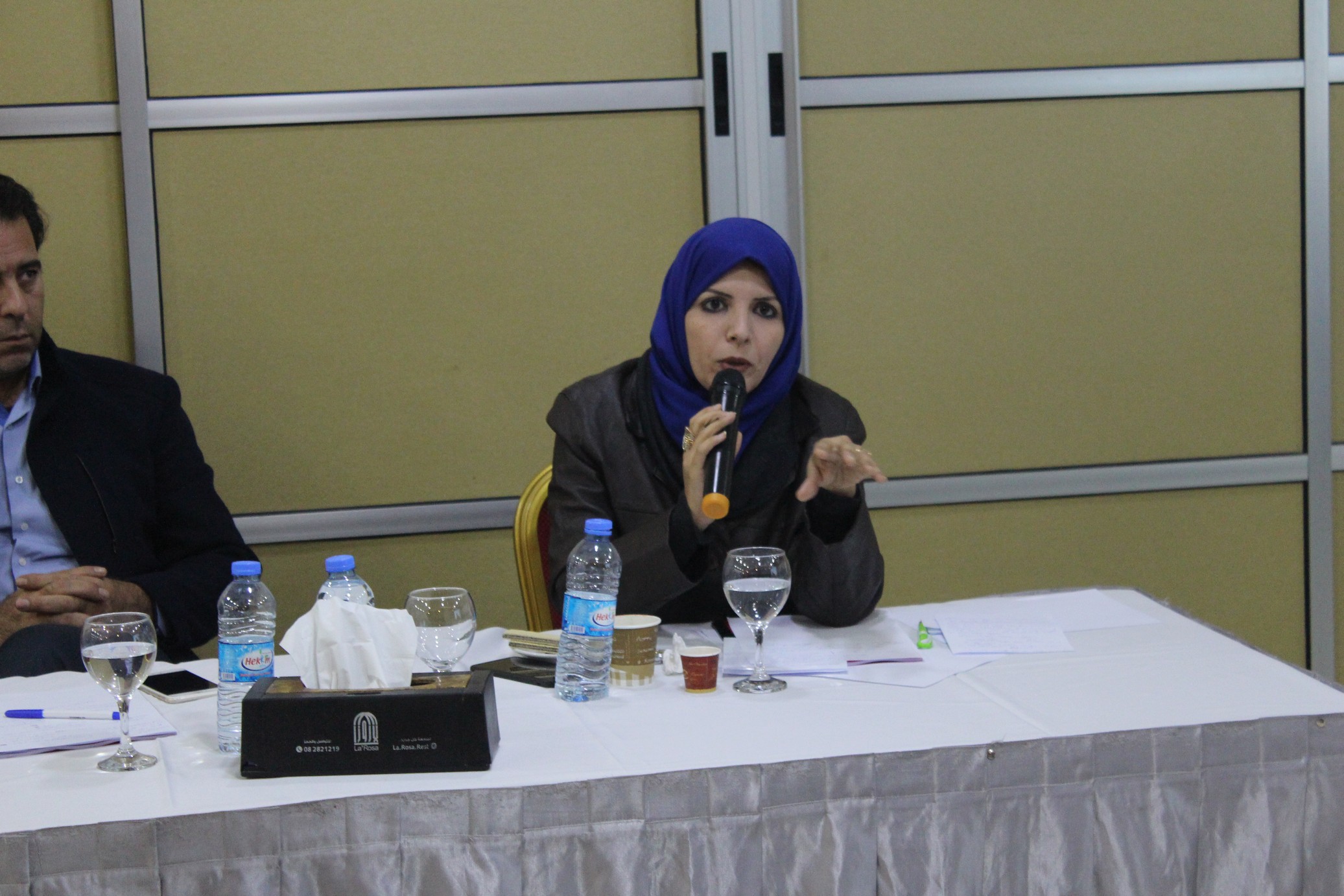
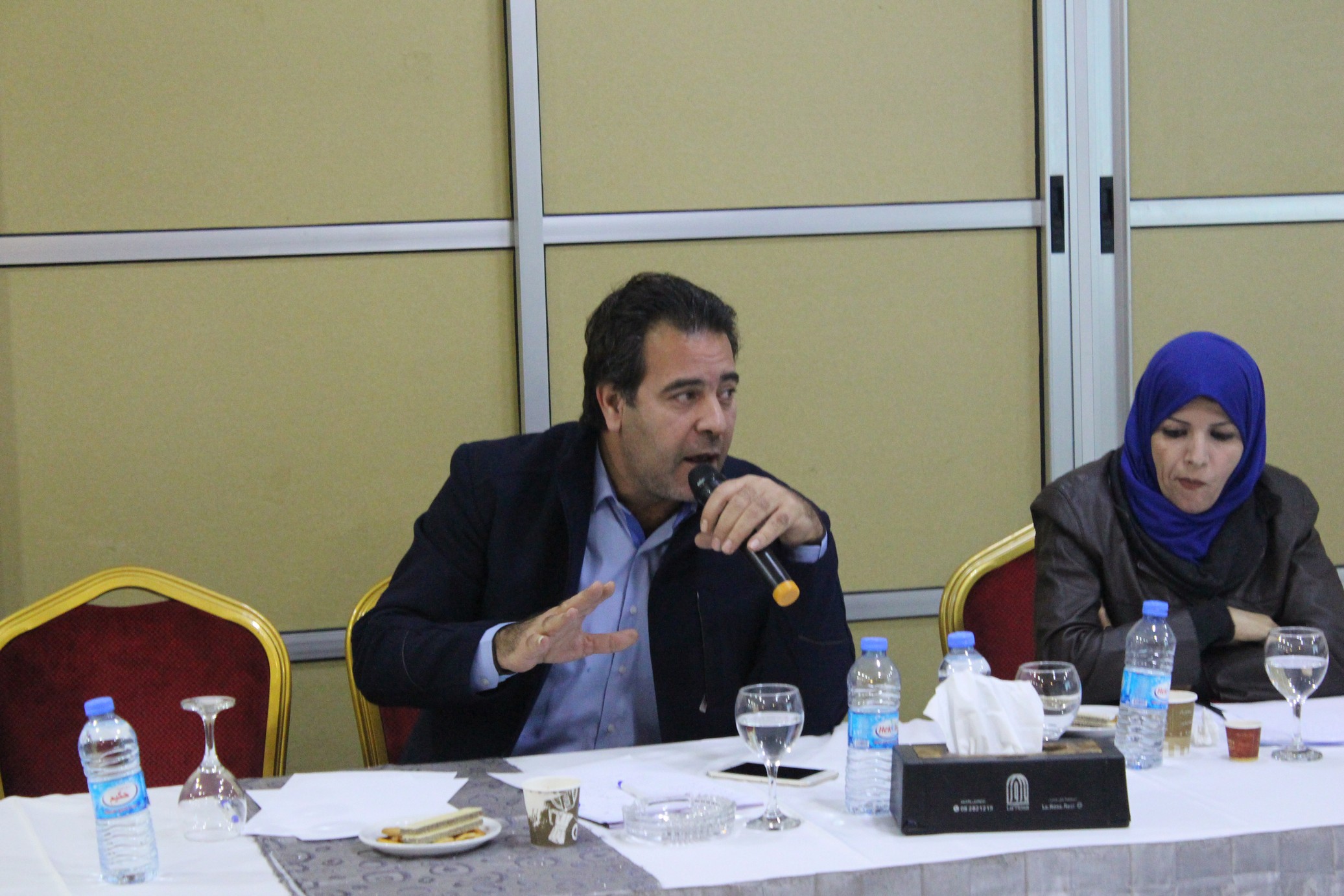
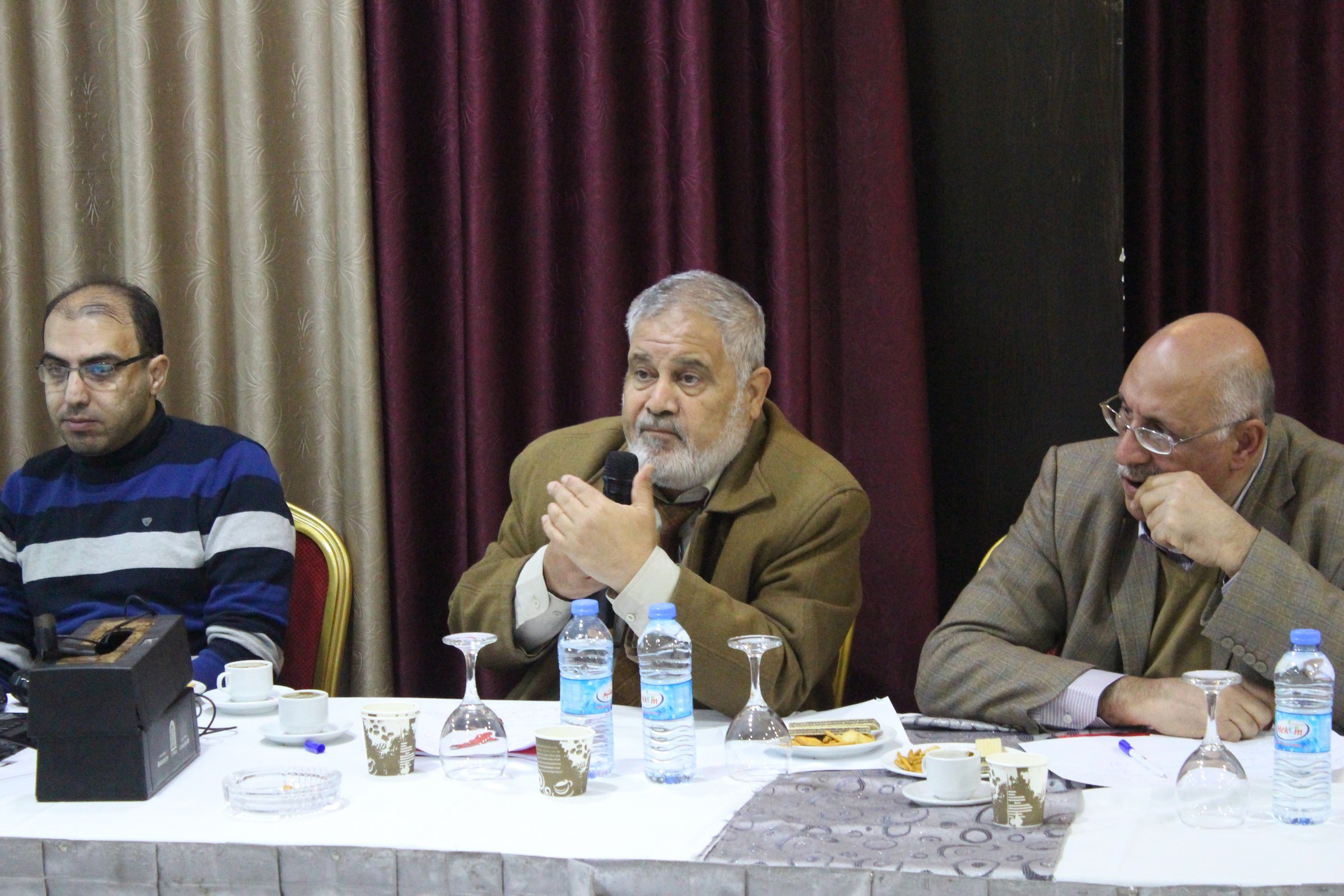
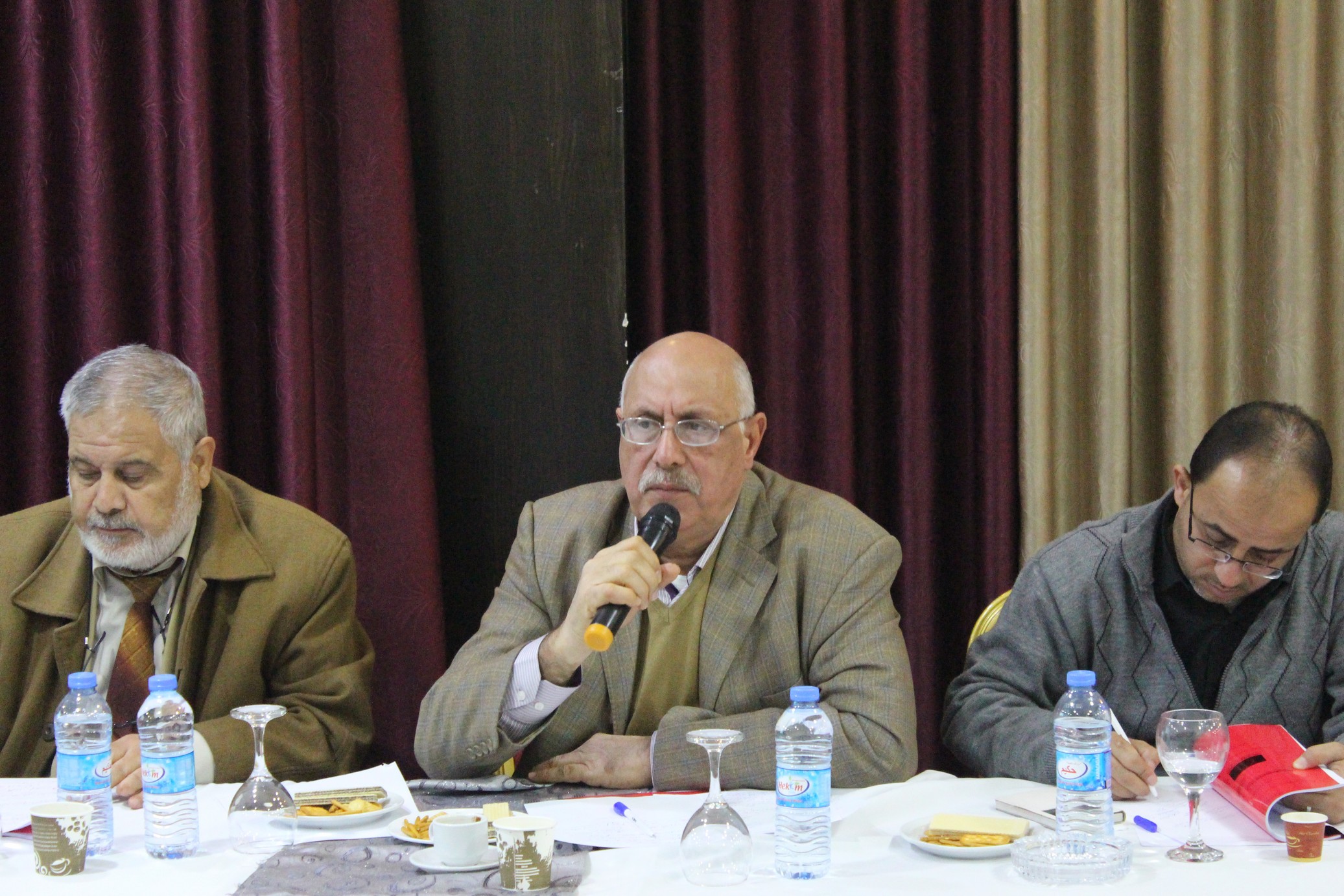
The writer and political analyst Hani Habib and Mr Tawfiq Abu Shomar commented on the research paper, with the attendance of an elite of writers, analysts, and specialists in the Israeli affair in the Gaza Strip.
The session was opened by Omar Shaban, director of the Pal-Think for Strategic Studies institution, welcoming the attendees and the participants.
Shaban praised the research paper, saying: “The paper takes up a new subject of high importance”, affirming the necessity of focusing on the effects reflected on the Palestinian people from the formation of the hegemonic bloc in Israel.
Omar Shaban said that the meeting comes in the context of coordination with the Palestinian centre for Israeli studies “Madar”, to prepare more research papers from the researchers at the local and regional level regarding the Palestinian cause from its Israeli and international perspective.
He affirmed that those papers will be presented in 2020 in the frame of the strategic document of the State of Palestine.
In his turn, the researcher Muhannad Mustafa reviewed the axes of his paper connected to the Israeli electoral system, and that's effect on the work of the Israeli government in general, and regarding the Palestinian affair in particular, pointing to the stage of the hegemonic bloc — a new stage that crystallised in the last decade.
He added: the system of the hegemonic party bloc is distinguished by the fact that the bloc of the right is the only one able to form a government through rightist parties, and this means that what is called the opposition cannot form a government without recourse to parties counted on the right.
On the effect of the system of the hegemonic party bloc and the Palestinian question, the researcher Mustafa said: “The crystallisation of this system contributed to the right's moving from the stage of control to the stage of hegemony over the Israeli political system.
He added that the Israeli right, the secular of it and the religious, was able to renew its political and intellectual system in the past two decades, such that its project transformed into the hegemonic project in the Israeli scene, especially regarding the Palestinian question.
He continued: the right's hegemony has thrown what is called the Zionist left into a political and intellectual crisis, and the adoption of many of the right's propositions regarding the Palestinian subject, and it negated the reality the left had created, which is the Oslo agreement, and settled the Palestinian subject based on its ideological conceptions.
He said: “What is happening in the Israeli political system is a paving for the emergence of a hegemonic party, and Israel is heading toward the formation of a political system built on hegemony”.
From his side, the researcher Tawfiq Abu Shomar, the specialist in the Israeli affair, commented on the paper, saying: “It is necessary to answer whether this move from the hegemonic party to the hegemonic bloc is a random matter or an organised Israeli policy”.
He added: in the beginning Israel was founded on a religious and not a doctrinal basis, and after that came the politicisation of religion, and after it the religionisation of politics — and this is within the extremist Israeli strategic plan.
On the future vision, he said: “The hegemonic bloc will be intensified and racist laws enacted, or it may lead to a national-unity government of another formula differing from the hegemonic bloc, and it may draw goals on the international arena to liquidate the Palestinian cause more than the hegemonic bloc.
In his turn, the writer and political analyst Hani Habib said in his commentary on the research paper: “As a good follower of the Israeli affair I see that the political system is heading to the hegemonic bloc, and this is actually realised now”.
He pointed out that the research paper was supposed to discuss the nature of the transformations of the elites in Israeli society, especially in light of the development of the populist culture, which transformed from relying on the Labour Ashkenazim to religious and Eastern settler elites, and led to the arrival of the hegemonic bloc of the Israeli right.
Habib noted that the right strives to possess the keys of the state's institutions, especially the media and the judiciary, and there are grinding battles within this bloc to seize these institutions.
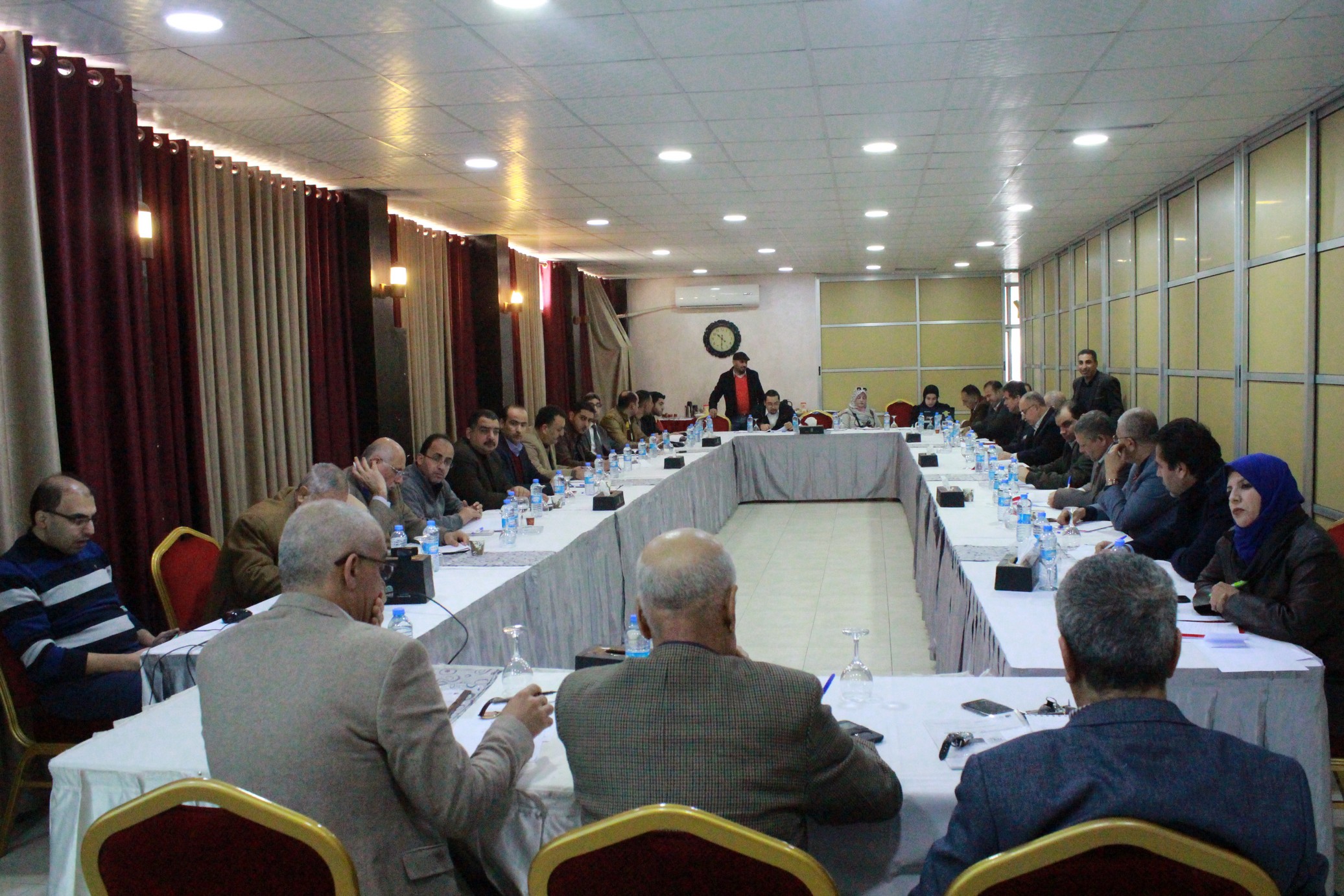
The door of discussion and interventions was opened to those present at the session, who were unanimous that Israeli society, since it was founded, has been in a development toward the right.
Those present expressed in their interventions the importance of the research paper, which deepens the study of the Israeli political system and its heading toward the right and hegemony.
They stressed the necessity of studying the factors that led to the extremism of Israeli society, and the necessity of studying this Israeli society's drift toward the right.
In the conclusion Dr Muhannad Mustafa said that the Zionist project must be understood — where it is going — and it is clear that Israel, with all the political transformations existing in it, has as its goal the expansion of the Zionist project, and the state is an instrument for that.
He affirmed the necessity of studying what the Palestinian has contributed to this transformation, and what we must do to confront what goes on inside Israel.
It is recalled that this session comes within the project “Building the strategic capacities of the official and civil institutions in Palestine”, organised by the Pal-Think for Strategic Studies institution in cooperation with the Palestinian centre for Israeli studies “Madar” and the Palestine Strategy Group.