Joe Macaron, US-policy researcher: «This American administration knows the Middle East least»
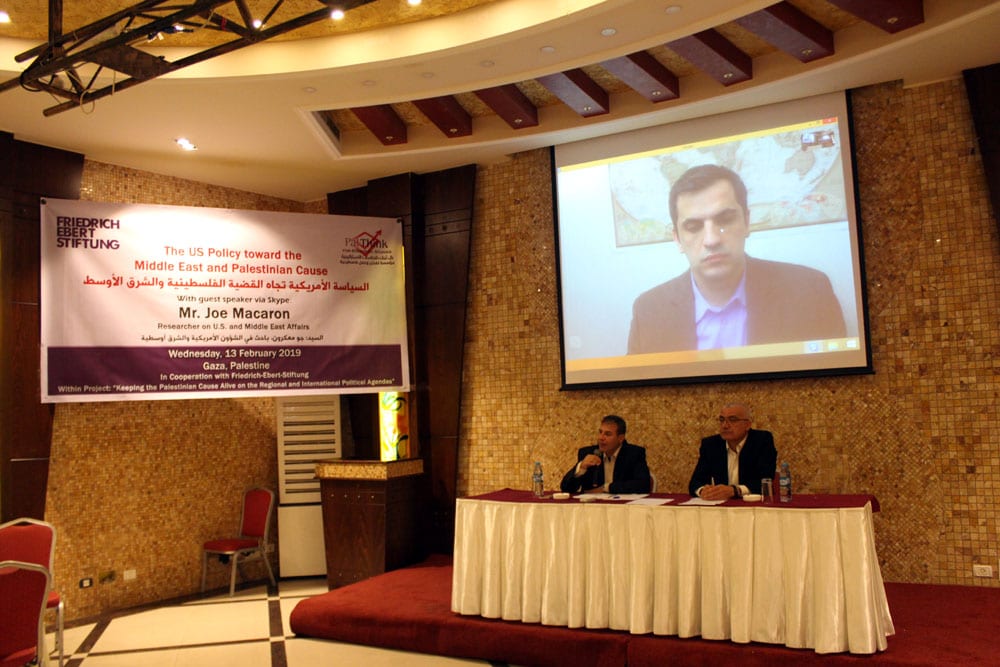
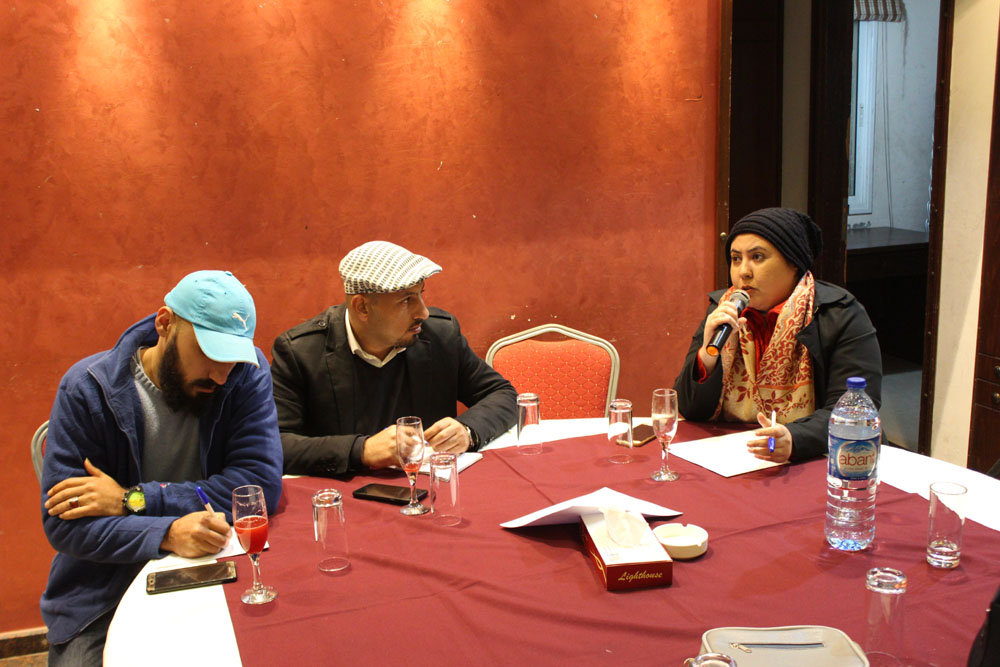
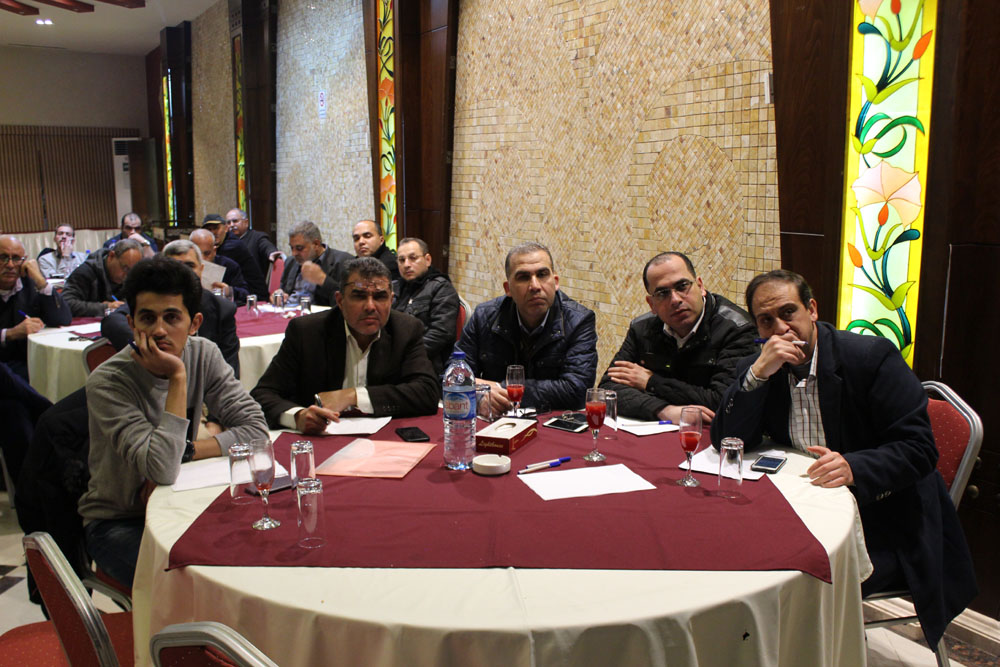
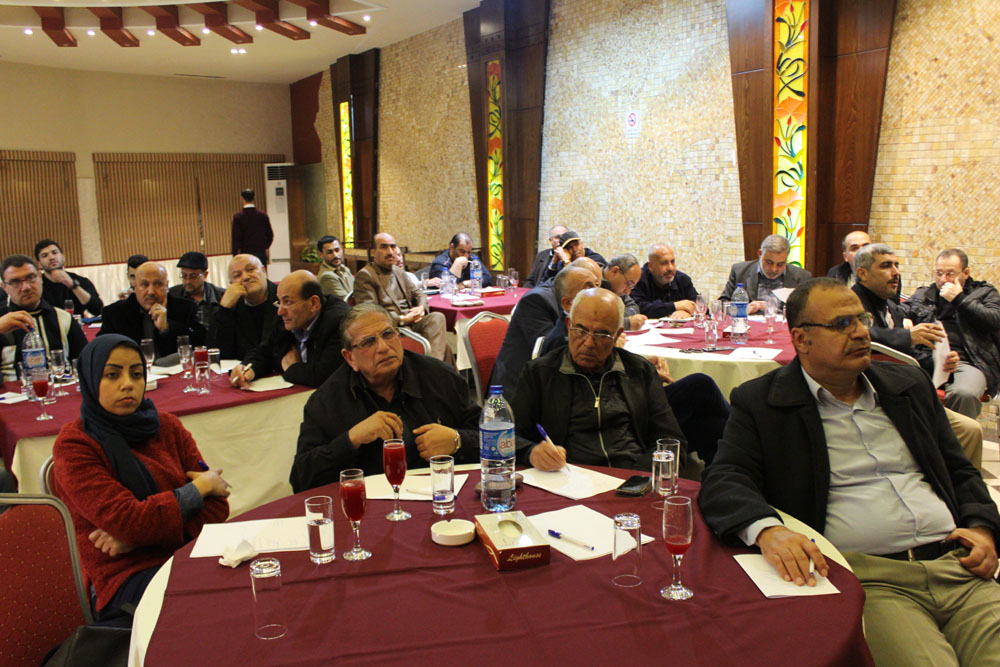
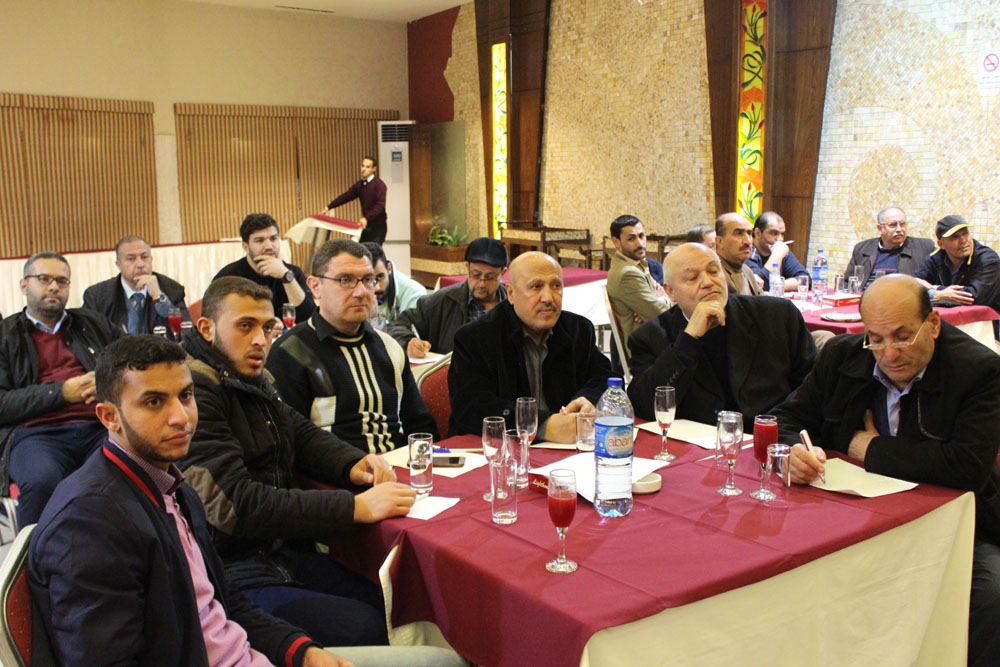
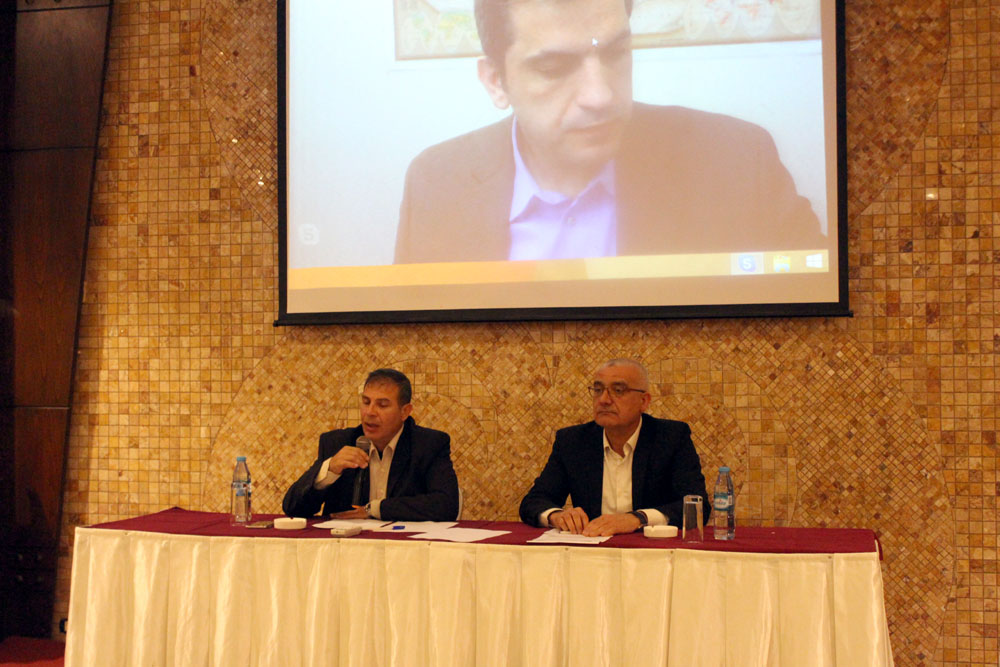
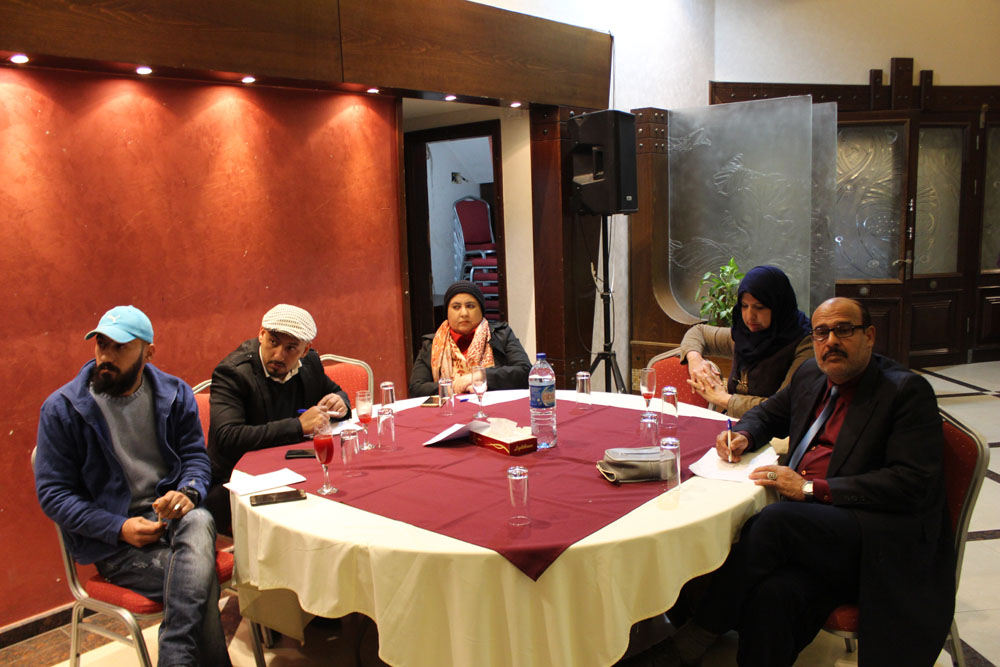
Pal-Think held the Skype dialogue «American policy towards the Middle East and the Palestinian question» with Joe Macaron, political analyst at the Arab Center in Washington.
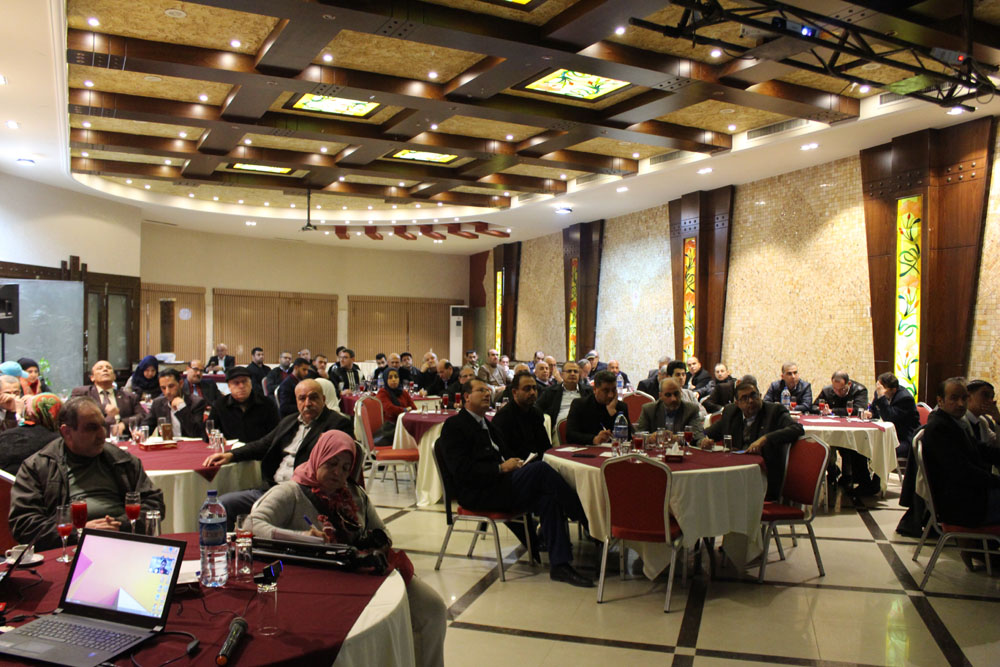
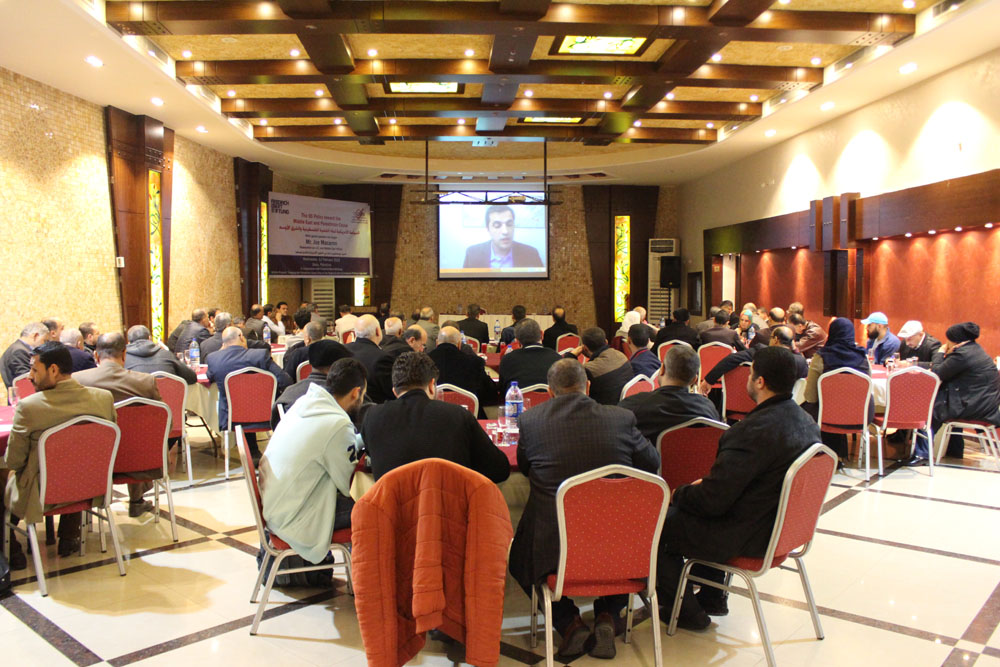
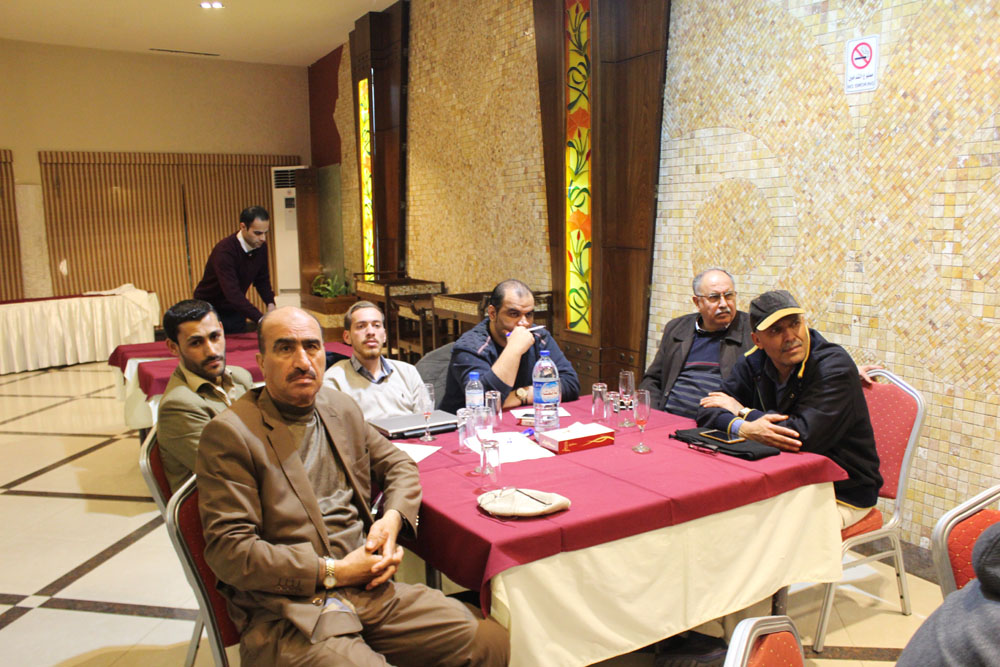
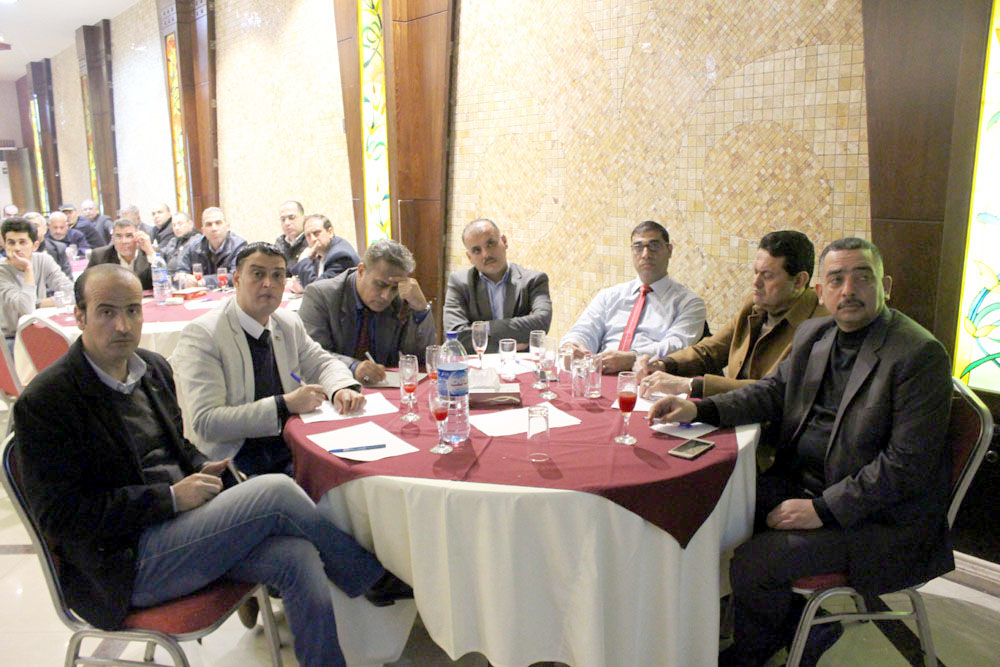
Gaza — The Pal-Think for Strategic Studies institution organised a dialogue session titled “American policy toward the Middle East and the Palestinian cause” via Skype with Mr Joe Macaron, the political analyst at the Arab Center for Middle East conflicts in Washington and at West Point, and previously at the Colin Powell Center for Political Studies at the CUNY City College institute in New York — in cooperation with the German Friedrich Ebert Foundation within the project “Keeping the Palestinian cause on the regional and international political agenda”.
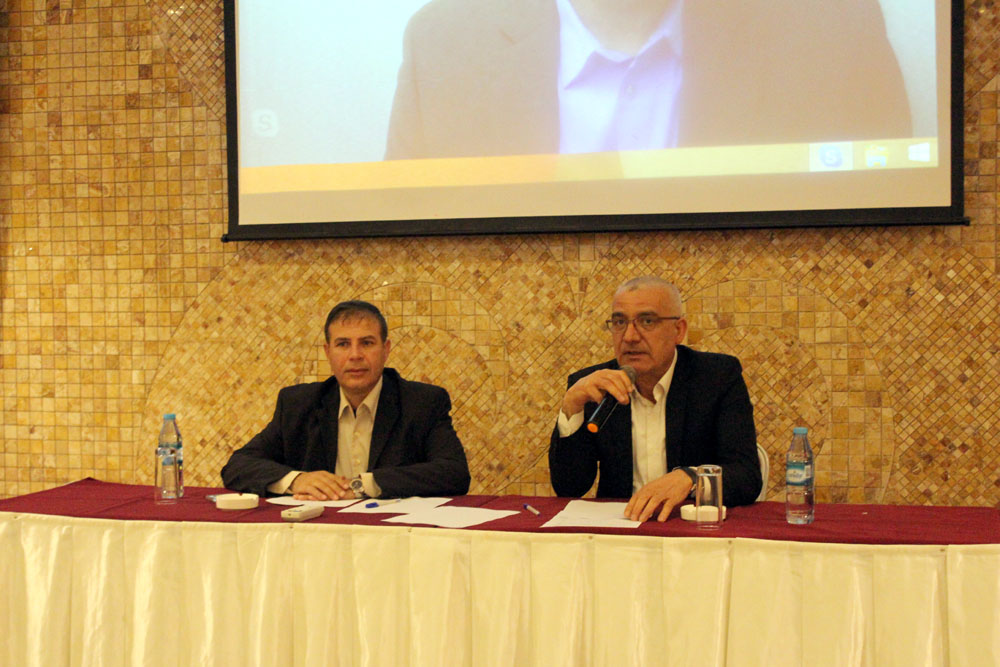
Mr Omar Shaban, director of Pal-Think for Strategic Studies, welcomed the attendees from among the political activists and the academics, and affirmed the Pal-Think institution's continuing pursuit of keeping the communication with the world and the international community despite all the challenges in the Gaza Strip in particular and Palestine in general — by persisting in holding joint-thinking sessions with the goal of connecting and strengthening the communication of Gaza and Palestine with the world. Shaban likewise pointed to the importance of the partnership with the German Friedrich Ebert Foundation and its efforts in strengthening Palestinian awareness so that there be a deeper understanding of the Western position toward the Palestinian cause.
In his turn, Dr Osama Antar, “programmes director of the German Friedrich Ebert Foundation”, pointed to the effectiveness of the partnership with Pal-Think and the importance of cooperation for the success of such projects; since the round discussion sessions are a very successful method of strengthening awareness through constructive dialogue and discussion — especially as the Palestinian side suffers a great deficiency and shortfall in the extent of understanding the Western position sufficiently, in what supports the Palestinian international relations and decision-taking. He affirmed that it is necessary, in light of the existing political events, to confront the scarecrow of the deal of the century and not to submit to the Western dictating policies.
The session took up several axes, the most important of which: the Warsaw conference and its repercussions, the Palestinian cause and the deal of the century, and the American vision of the issues of the Middle East and the Palestinian cause.
For his part, Joe Macaron pointed out, as relates to the Warsaw conference and its repercussions, that the conference's initial idea was a reaction to absorb the repercussions of Trump's surprise decision of military withdrawal from Syria on Washington's allies in the region, and consequently there was a need to close ranks; but this conference, in its more comprehensive picture, is a consecration of the Trump administration's attempt to build an Arab–Israeli alliance to deter Iran even before finding a just settlement of the Palestinian cause. For the current American administration differs greatly from the previous administrations, including the Obama administration, in its approach to the Middle East and the relationship with Iran and the Palestinian cause, and it leans toward abandoning the giving of an impression of playing the role of the neutral mediator in the peace process.
He noted that the Trump administration seems to seek that the Palestinians pay the price of this Arab–Israeli alliance to deter Iran, through stripping them of their negotiating cards even before the peace plan is put forward — and consequently the link between the Trump administration's attempts to deter Iran and the efforts of resolving the Palestinian–Israeli conflict must be decoupled. In truth the Palestinian cause is not on the list of the American administration's priorities at the present time; for Trump's focus is on his domestic crisis and the attempts to deter Iran through a psychological war and diplomatic and economic pressures to drag Tehran to the negotiating table — noting that there is an American decision to avoid the military confrontation with Iran at a time when the sharing of influence remains standing between the two sides in Iraq and Lebanon.
As for the issue of the deal of the century and its features, over which the character of secrecy predominates: it is a marvel that there should be a peace plan of whose details the conflict's two parties do not know — especially as that comes in light of the absence of international sponsorship, and a right-wing prime minister in Israel whose interests intersect with a Republican president in Washington who provides him absolute political support, contrary to the tense relationship there was between Obama and Netanyahu. The efforts of the deal of the century are destined to fail, and this indeed is what Netanyahu realises, but he avoids showing his belief so as not to bear the responsibility of this failure, and consequently he goes along with the American president and his administration, expressing his readiness to accept the peace efforts put forward. And the challenge before the Palestinians is not the task of causing the deal of the century to fail, but the attempt to avoid their bearing alone the full responsibility for this failure.
At the same time there is a greater challenge for the Palestinians, which is not being dragged into the game of choosing between the American camp and the alliance between Russia, Iran, and Turkey. Mr Macaron saw that the Trump administration's attempts to punish the West Bank and launch projects in the Gaza Strip aim at strengthening the Palestinian division instead of encouraging the reconciliation — a step that mimics the approach of George Bush the son, who used to send the assistance to the West Bank and cut it off from Gaza. He considered that if the requirements of the reconciliation are not available as a Palestinian priority, at least let there be a shared yes or no in dealing with the deal of the century.
He mentioned that there are new directions that have influenced the Palestinian cause in the last decade — especially the retreat of the Palestinian cause as an Arab priority after 2011, the emergence of new alliances in the region, the receding of the peace camp in Israel, the consecration of the Palestinian division, and the transformation in the general American mood toward Israel in light of the demographic transformations and the rise of the left. The deal of the century may return the Palestinian cause to the forefront, and the challenge before the Palestinians is steadfastness and surpassing the internal division; there is also a pressing need to re-draft the instruments of joint work and of addressing the outside, and to re-shed the light and the American and international attention on the Palestinian cause.
As relates to the view of American society and general opinion: American opinion has leaned, since the economic recession of 2008, toward focusing on the domestic issues, especially in light of the ideological conflict under way between the conservatives and the liberals — and consequently the Palestinian cause and the majority of foreign-policy issues are not on the Americans' radar. But this means that greater efforts must be expended in order to restore attention to the Palestinian cause, and that takes place through activating the role of the Arab-American organisations and their work of lobbying and promoting the Palestinian cause.
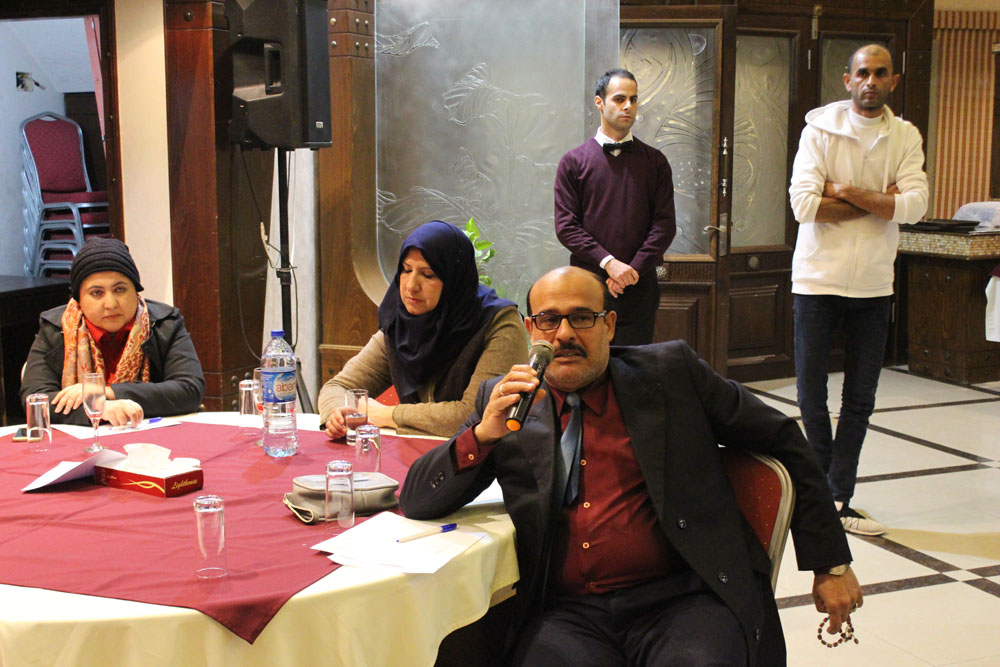
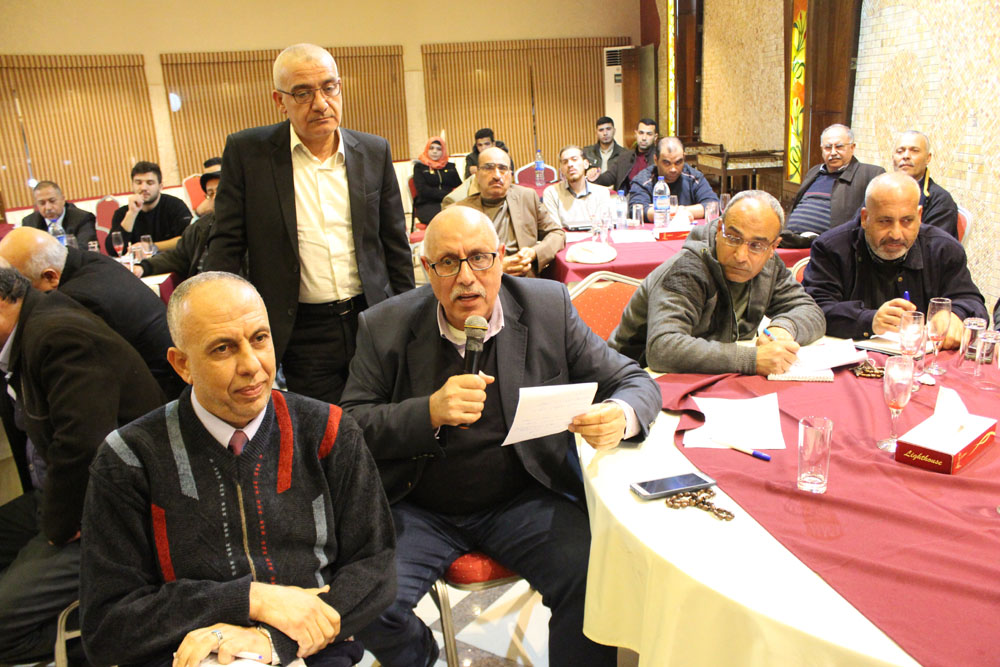
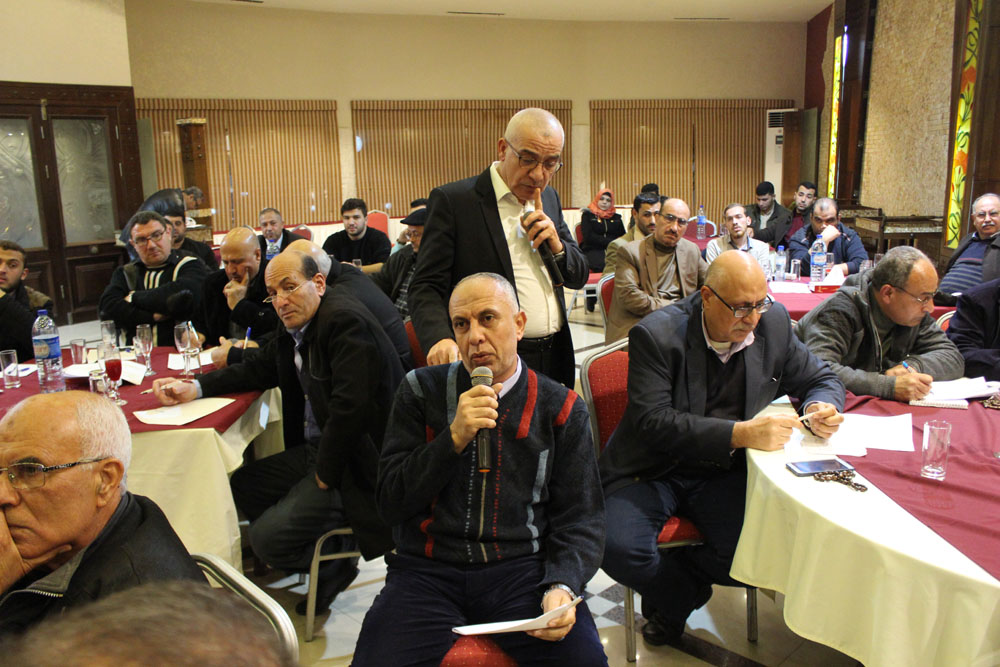
The participants put many valuable questions, including: how can the Palestinians influence the current American policies? To what extent can the United States' policy toward the Palestinian–Israeli conflict succeed through the deal of the century? What are the dangers of the continuation of the Palestinian national division and the probabilities of Trump's election for a new period of rule? What is the nature of the connection with the Warsaw conference, and does it represent an output of what was planned in the deal of the century? What are the parties American policy wants to impose to solve the Palestinian cause? What is the extent of the shift and change of American policy in the Middle East — toward Iran and others?