Dialogue sessions: international experiences of nonviolence and civil peace
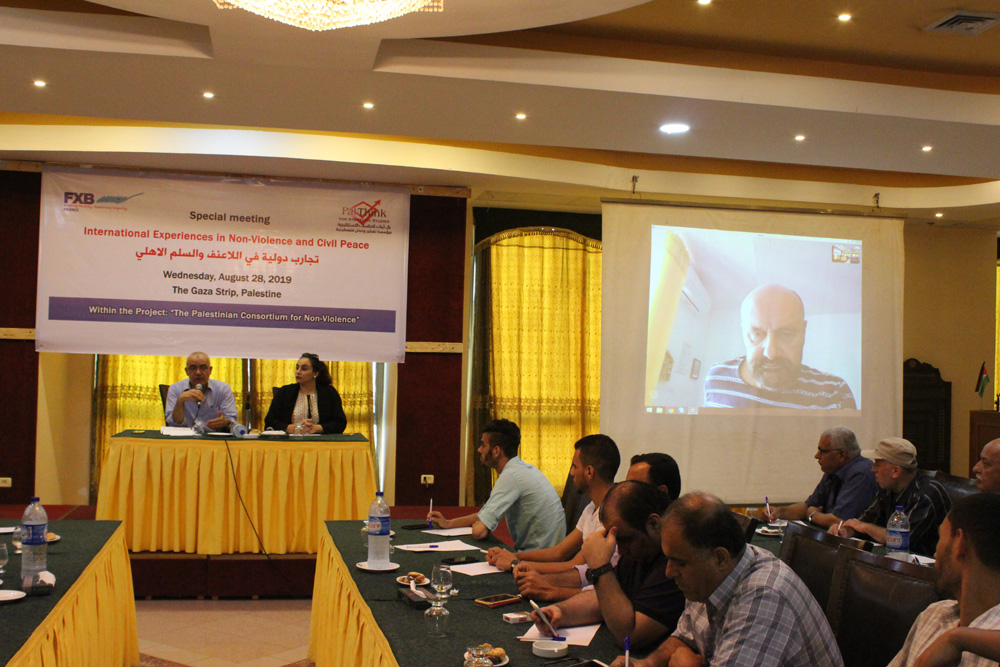
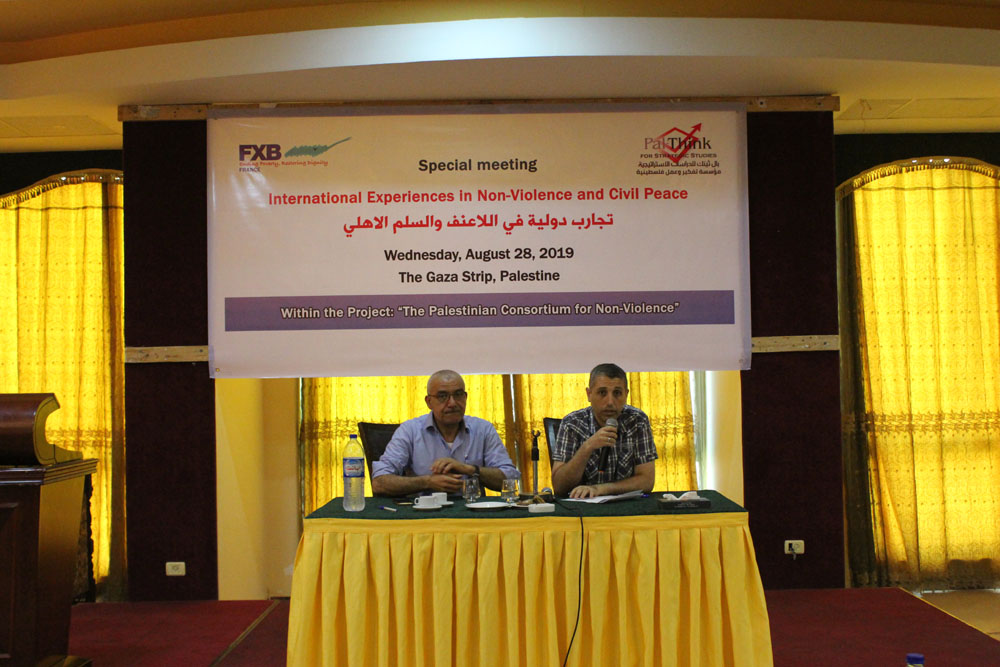
Pal-Think and FXB held the dialogue sessions «International experiences in nonviolence and civil peace», under the Palestinian assembly for spreading the culture of nonviolence.
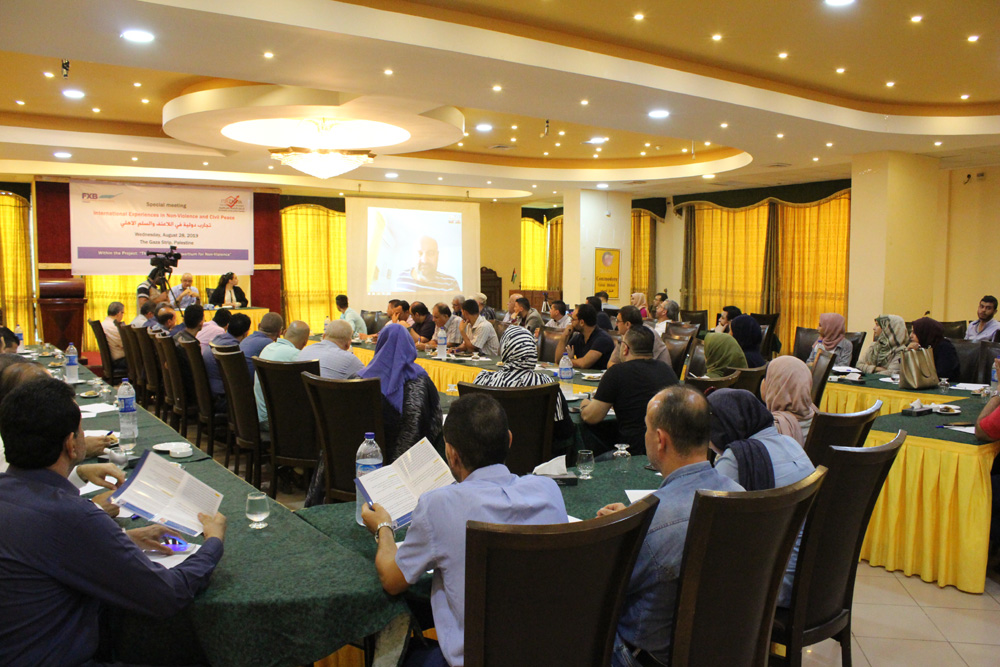
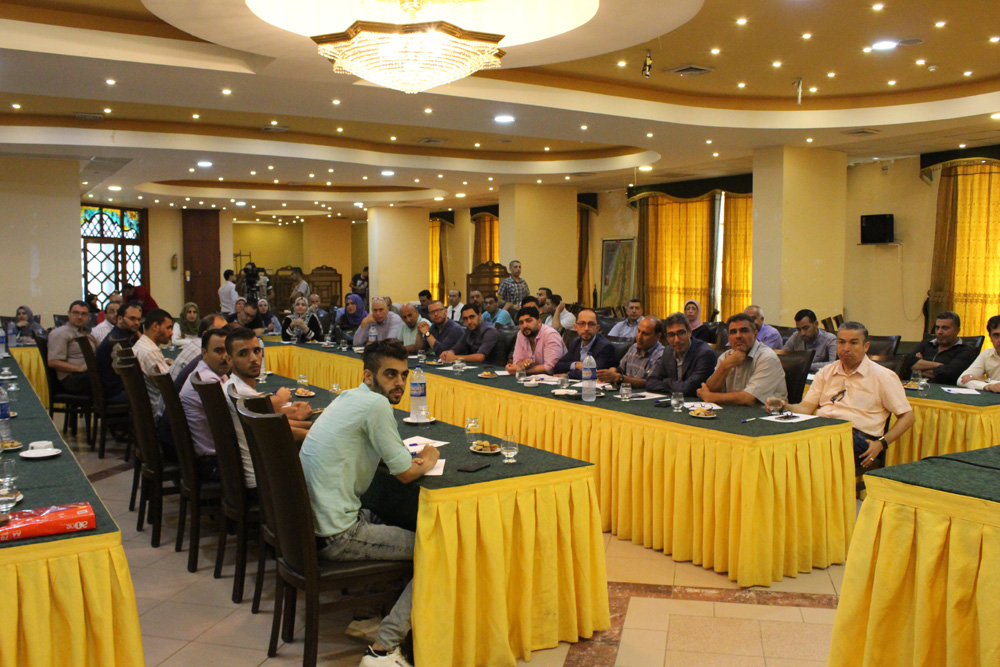
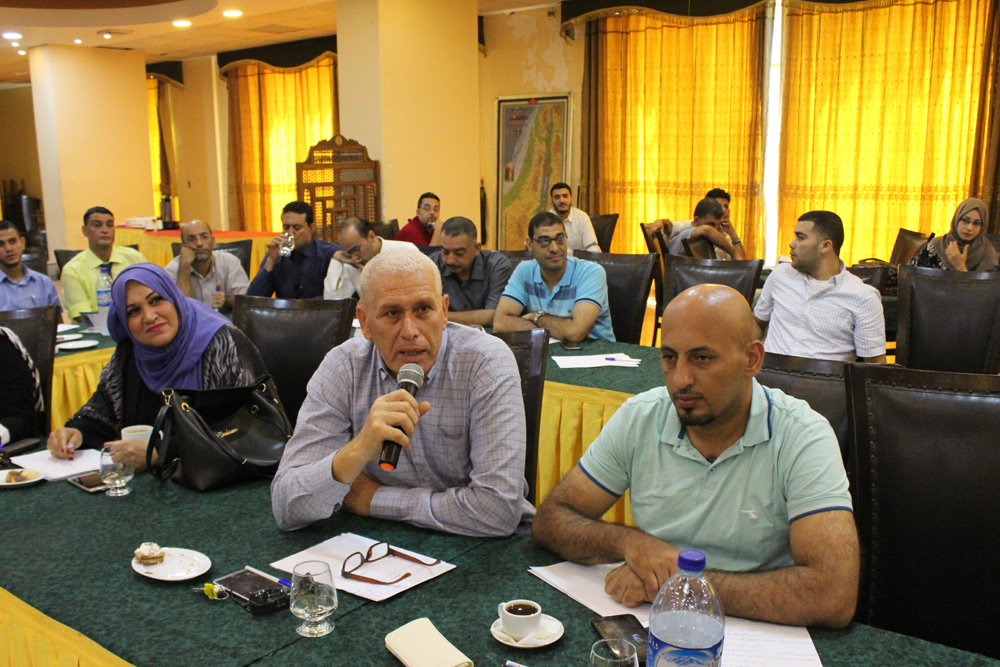
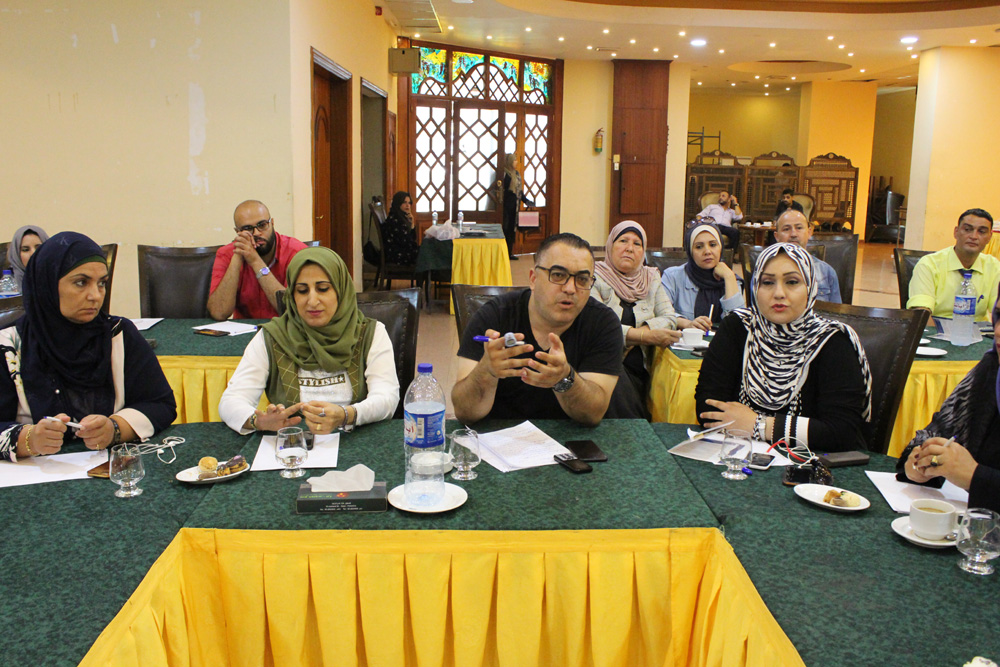
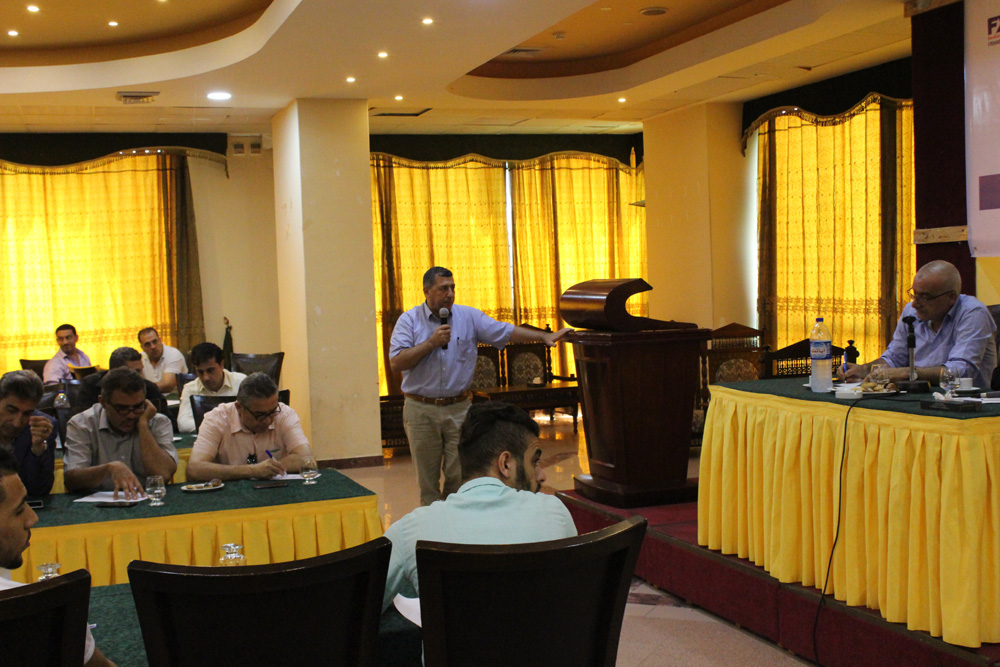
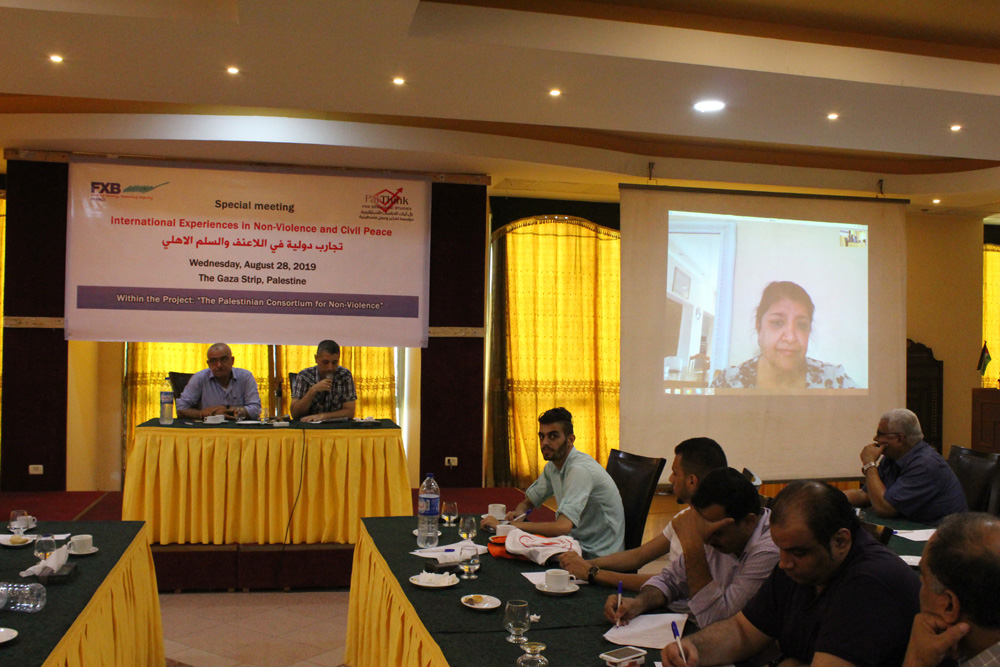
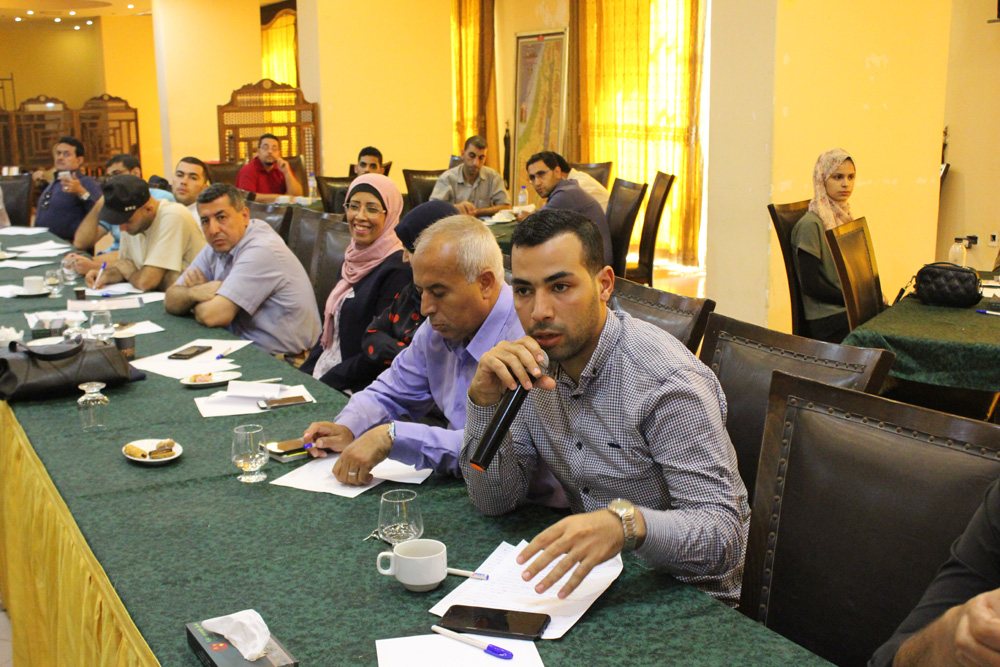
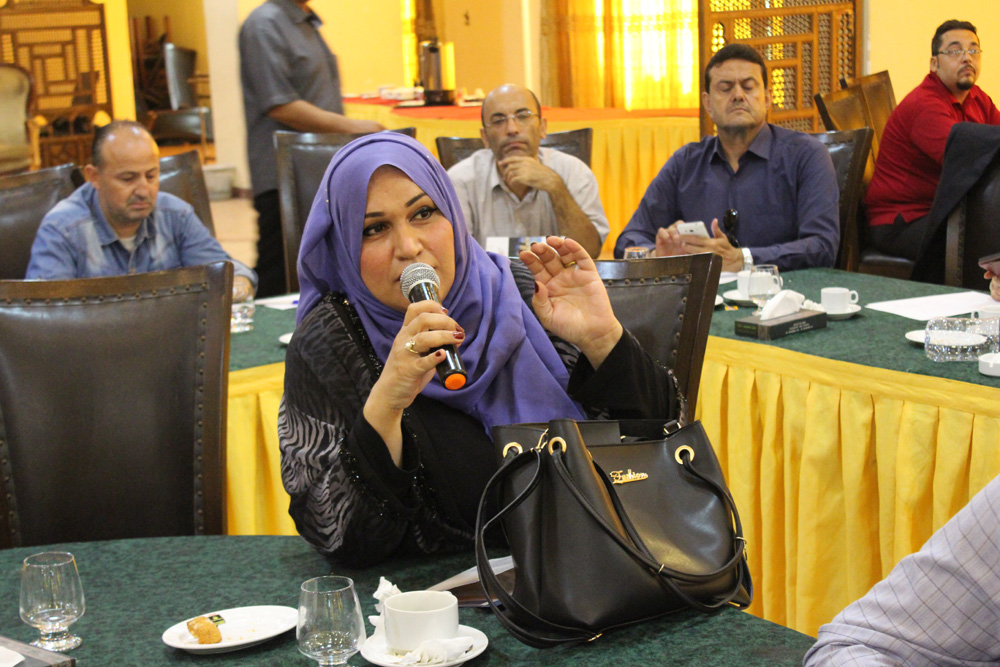
Gaza — Pal-Think for Strategic Studies and the FXB foundation organised dialogue sessions titled “International experiences in non-violence and civil peace”, which come within the project of the Palestinian Assembly for Spreading the Culture of Non-Violence; through it Pal-Think aims to spread the culture of non-violence and civil peace in Palestinian society — with the attendance of 85 of the leaders and representatives of civil society and academics, in addition to an elite of university students, journalists, and political analysts.
The session was opened by the director of Pal-Think for Strategic Studies, Mr Omar Shaban. Shaban pointed to Pal-Think's role in treating the issue of building civil peace among the components of Palestinian society, and moving forward the wheel of Palestinian reconciliation; this is embodied in many efforts and activities through which Pal-Think has aimed at spreading the culture of dialogue, conflict resolution, and communal and national reconciliation in Palestinian society. Worth mentioning also is Pal-Think's role in the proposal of the Swiss paper, the continuous work with youth and women, and most important the effective role in networking and facilitating cooperation among the civil organisations in the West Bank and the Gaza Strip.
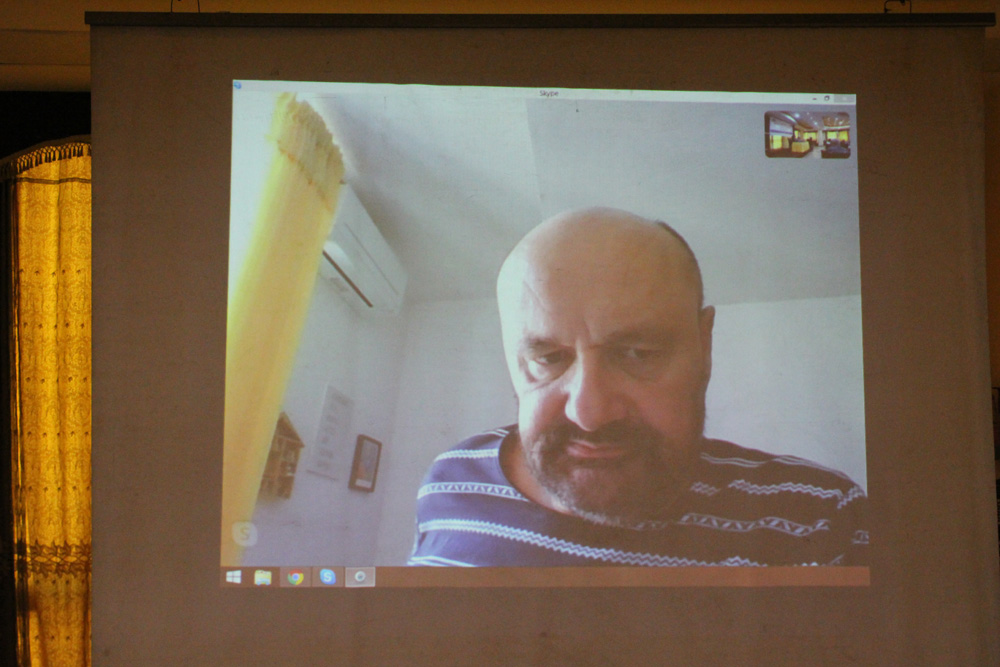
In its first session Pal-Think hosted Mr Goran Božičević, a peace activist from Croatia; Mr Božičević has worked in the field of non-violence and building civil peace in Croatian civil society since 1993. Božičević discussed the matter of the division in Croatia, and he has worked on supporting reconciliation and civil peace for more than 20 years. He says: the political elite does not want reconciliation, in order to preserve its financial interests and its administrative posts; while the simple citizens pay the price and the leadership benefits from the division. Mr Božičević made clear that non-violence is a way of life — it is how you deal with and look at yourself; but he also points out that he does not claim that the culture of non-violence is the antidote to all the Palestinians' problems, for non-violence and civil peace are not concepts to be marketed or sold among the circles of civil society for the sake of theorising — he is only sharing his journey in building peace in his country. He says: “When people ask me what I have achieved during my journey of more than 20 years in spreading the culture of non-violence, I say: if I have achieved only one thing, it is meeting and encountering wonderful people around the world — for non-violence is working at the simple individual level and not through the institutions of the elite and the political posts.
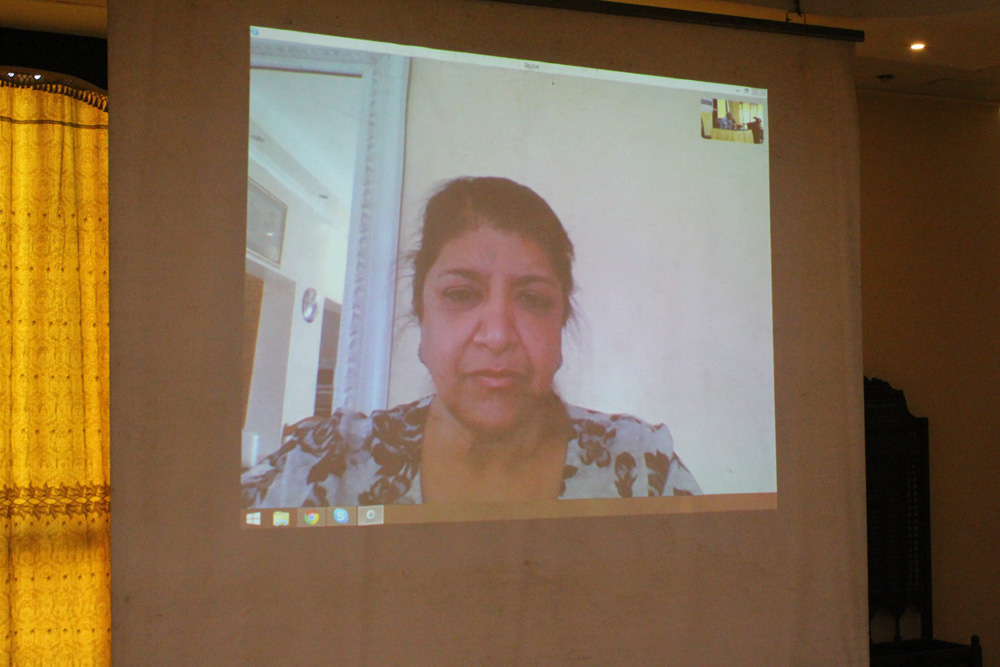
In its second session, Pal-Think hosted Ms Fadila Mohamed from South Africa, a communal activist and formerly a fighter against the policies of apartheid in South Africa; Ms Fadila occupied the post of advisor to South Africa's parliament for 19 years. Ms Fadila began her intervention by quoting the word of the late president Nelson Mandela: “We know too well that our freedom is incomplete without the freedom of the Palestinians” — speaking of the environment of violence and conflict. South Africa suffered from colonialism when the whites came to South Africa believing it an empty land inhabited by no one, and the British placed the system of rule in the hand of a minority of the white race, and the economy was taken in the direction of the white race's interest, and the original inhabitants of the black race were subjected to oppression. Many of South Africa's problems relate to the stripping of the original inhabitants of the land: 80% of the lands were granted to those of the white race, and only 20% to the original inhabitants — besides which only 7% are lands fit for development.
The successes of the non-violence efforts in South Africa, according to Ms Fadila's experience, are attributed to: obtaining information about the victims and the missing and working on presenting the needed support to all the parties that were subjected to violence; rebuilding the system and setting a law for human rights and working on integration in order to find a solution to the conflict; in addition to Mandela's charisma and his role in building trust among people, from the style of leadership and effective influence.
In its last session, Pal-Think hosted Dr Yaser Alashqar, a Palestinian researcher and academic working at Dublin university in the Republic of Ireland. Alashqar spoke of the Irish experience — an experience of conflict that lasted a long period, comprising great waves of violence between the Catholics and the Protestants, until the Good Friday Agreement came at the end of the nineties, which made the matter of forming a united Ireland subject to popular referendum — and with that the waves of violence between the conflict's two parties ended.