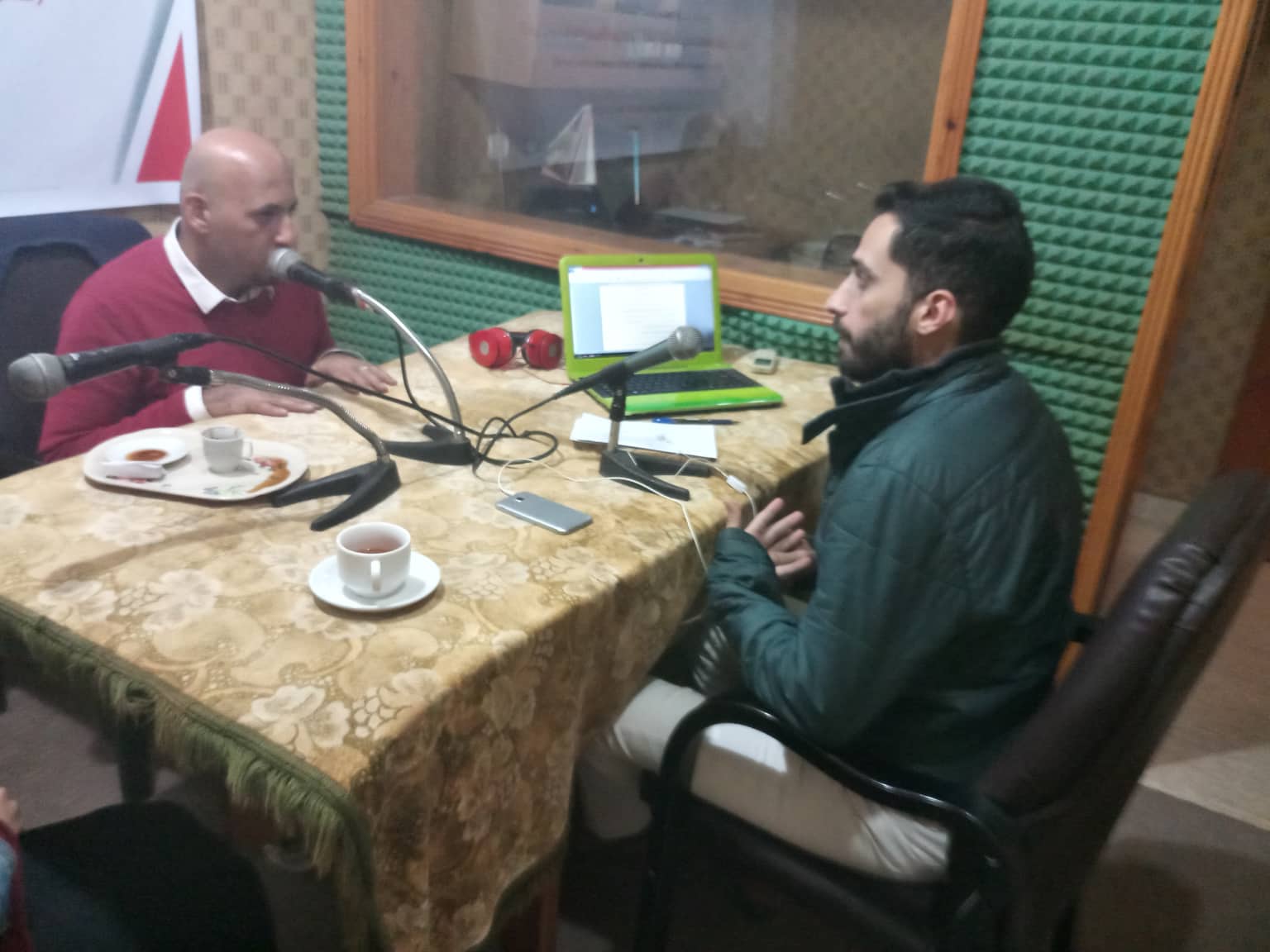
«Youth Participate»: the first radio episode, on child labour
Pal-Think aired the first episode of «Youth Participate» on Alwan Radio under the Canada-funded democratic-participation project — on child labour in the Gaza Strip, hosting researcher Yahya Qaoud.
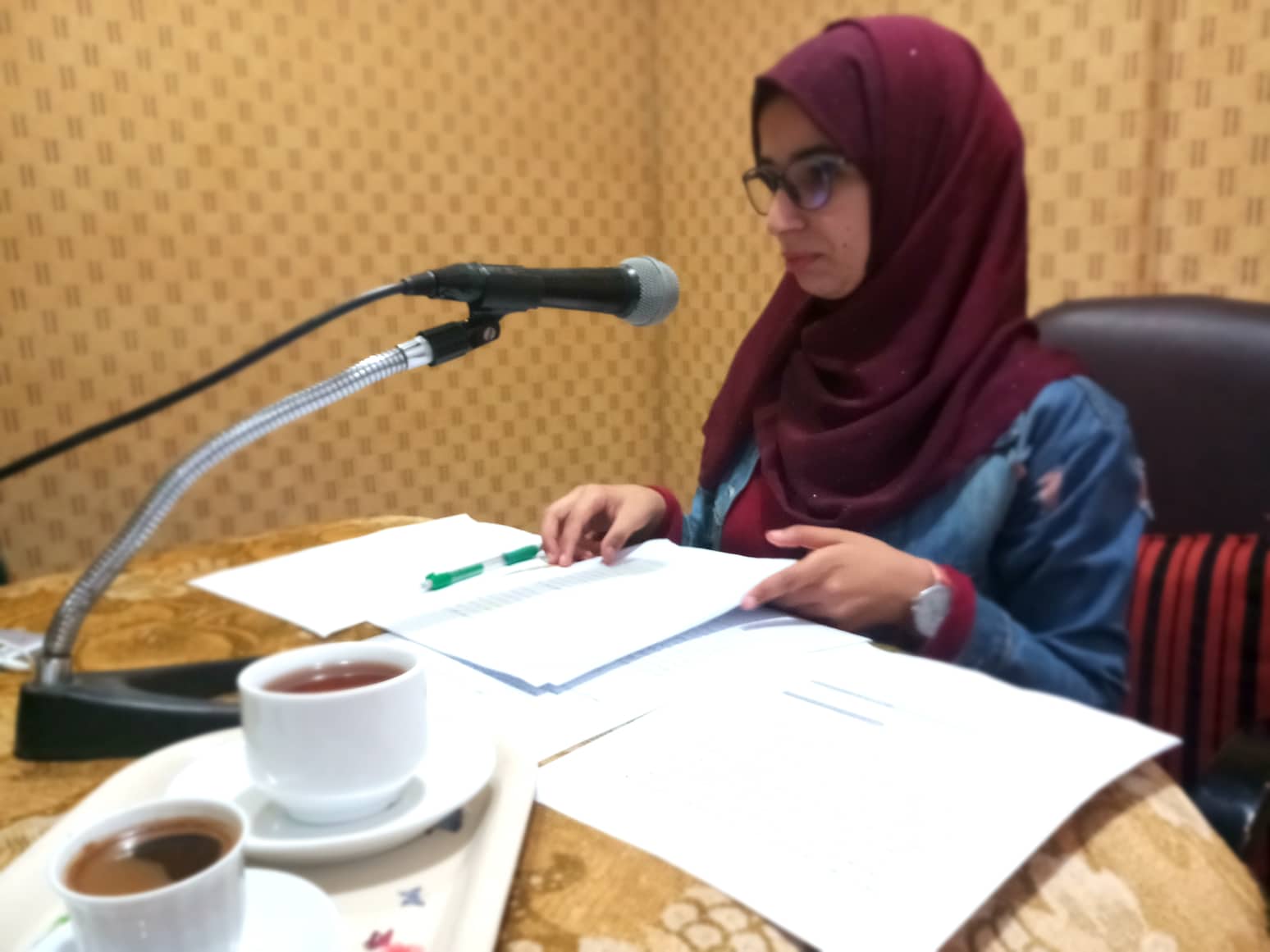
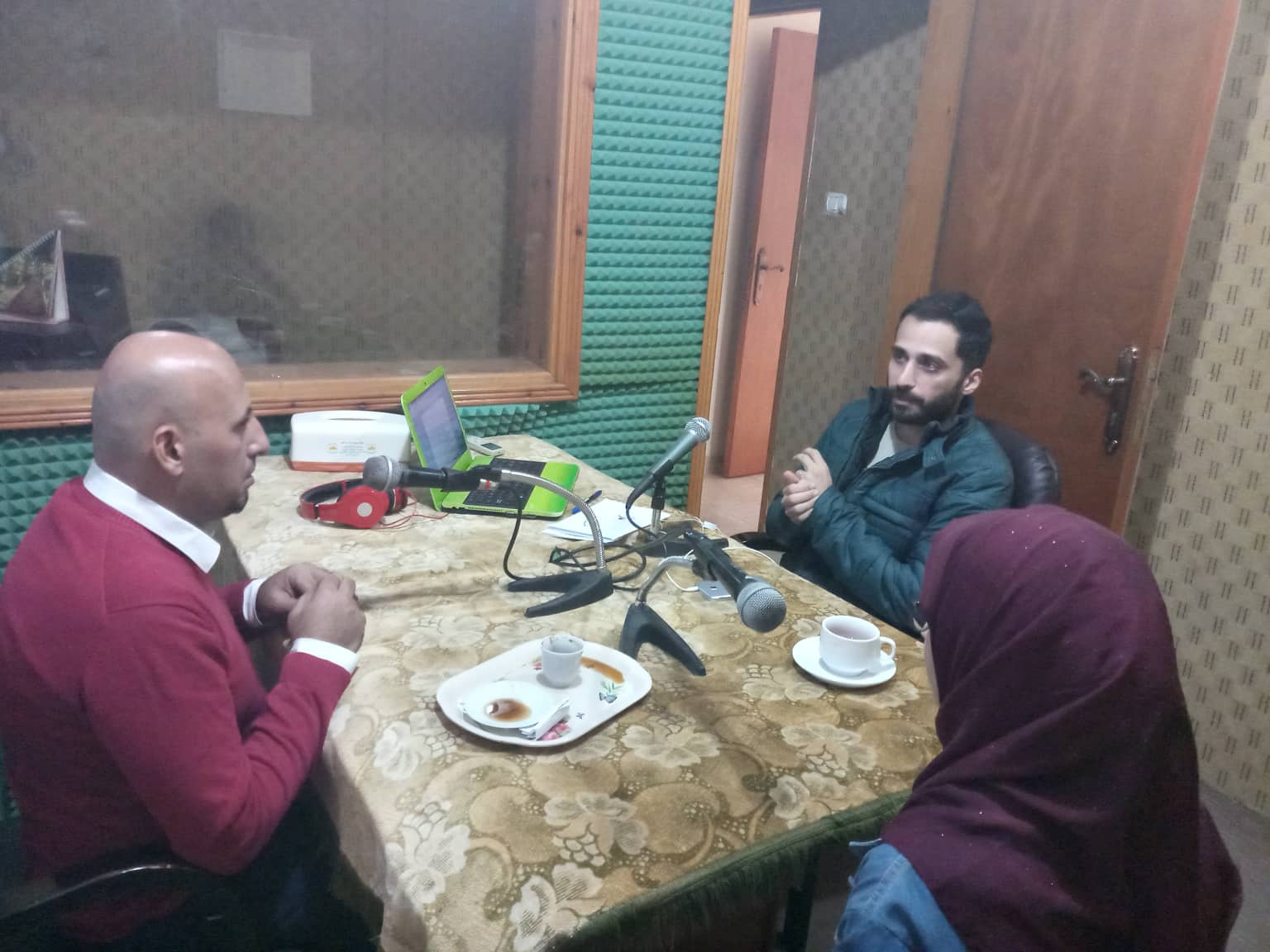
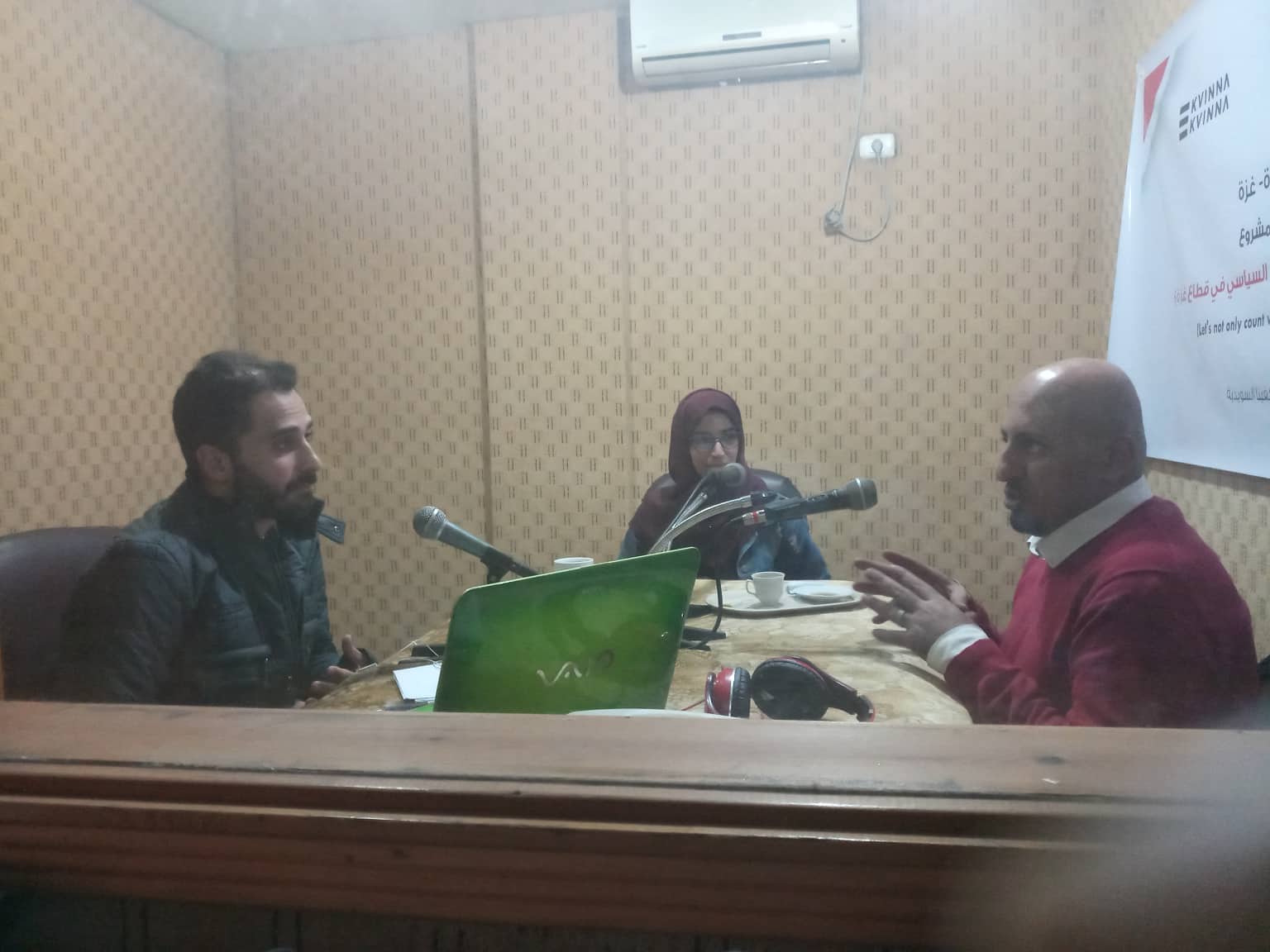
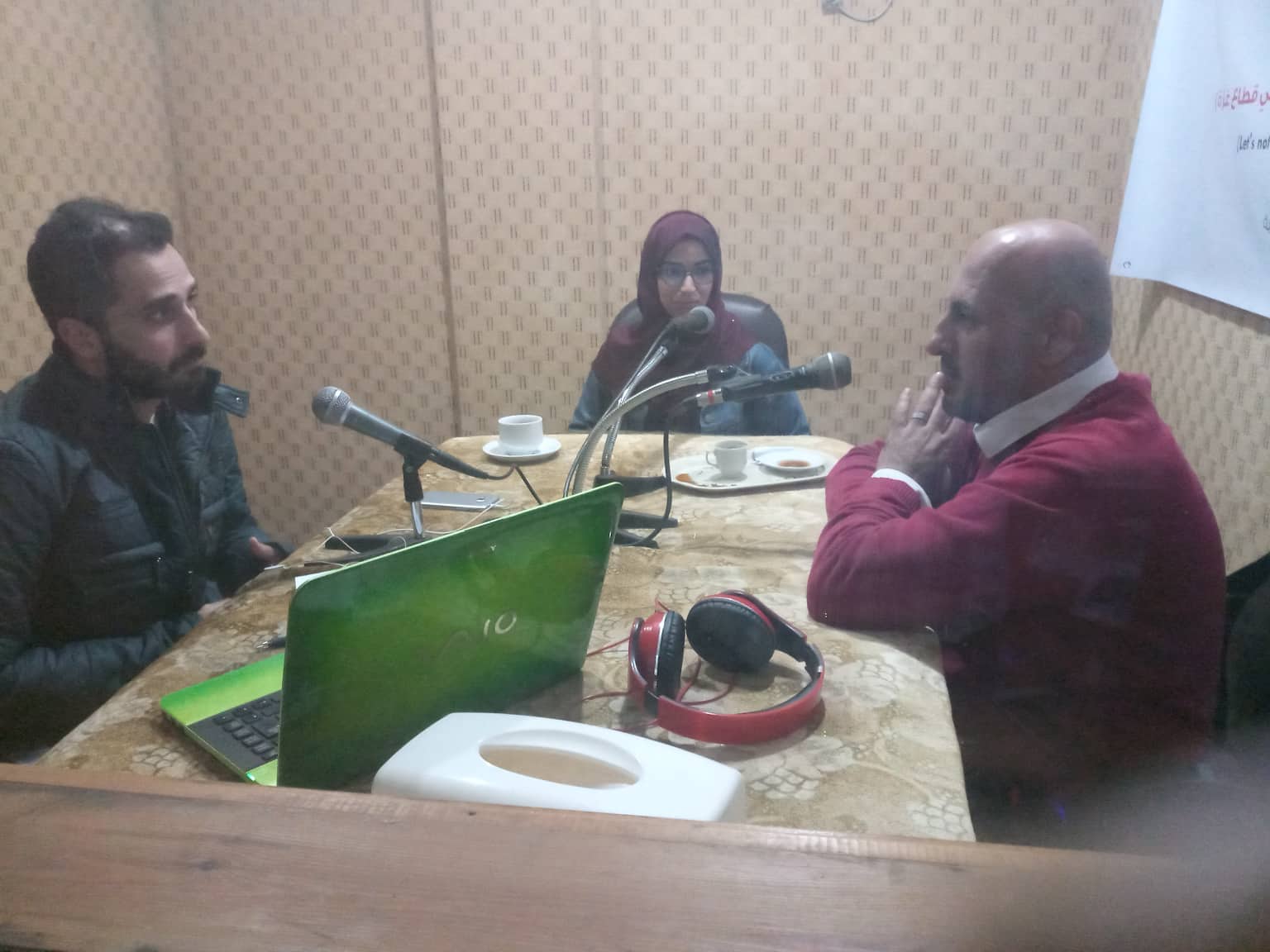
Pal-Think for Strategic Studies began broadcasting the first episodes of the programme “Shabab Yosharek” (Youth Take Part) on Radio Alwan, within the project “Strengthening the democratic participation of Palestinian youth”, funded by the Government of Canada. The first episode took up the subject of “Child labour in the Gaza Strip”, hosting the researcher Yahya Qaoud and the young researcher Mona al-Masdar, who prepared a research paper on this subject.
The first episode took up talk of the project's details and its introduction. Yahya Qaoud, the trainer and supervisor in the project, said: “The project targets youth because Palestinian society is a young society, and development in it is counted a form of sustainable development — and this accords with the vision of Pal-Think, which gives youth special attention in its programmes”, adding that the project of strengthening the democratic participation of Palestinian youth targets twenty young people, to hone their skills in preparing research papers that express their ideas on communal subjects that touch them directly.
He added that a number of training encounters carried out at the beginning helped the youth translate their ideas and bring them out as a research paper — making clear that the choice of the communal issues the papers took up came as an expression of problems the youth touch daily and that are close to them, and this guarantees credibility and realism.
As for the episode's second axis, it took up the subject of the first research paper, prepared by the participating young woman Mona al-Masdar, on “Child labour in the Gaza Strip”. The beginning was with the presentation of an opinion survey prepared by the programme's team on citizens' opinion of the problem, its causes, and the ways of treating it. The surveyed category agreed on the negativity of this phenomenon and the obligation to work to fight it — yet their opinions differed on the causes of children's going out to work: some traced them to the general economic factor in the Strip and the need of the child and the parents, and others said the factor of ignorance and lack of awareness is the basis in bringing the child out of their ideal environment to work. Likewise the ideas varied in the field of treating this problem, beginning with launching economic projects that work to solve the standing economic problem in the Strip, reaching the provision of work opportunities for the parents; and some opinions were about the fostering of children by specialised institutions in order to guarantee their sound upbringing.
As for the research paper's details, Mona al-Masdar opened the talk with the definition of the child according to the Convention on the Rights of the Child, continuing that the mere presence of the child in the workplace affects their psyche negatively and forms a deprivation for them of the optimal environment and a barrier obstructing the achievement of their best interest.
She mentioned that there are laws forbidding child labour; but if we look at our society, in which children form about 45%, we will find that child labour has existed in our Palestinian society since old times — therefore we find there is a communal acceptance of this phenomenon. But we find the children working in the streets, the blacksmithing and carpentry workshops, and the construction areas, and this multiplies the quantity of danger to which the child is exposed — noting that the number of working children in the Gaza Strip, according to a statistic conducted in 2017, reached approximately 4,840 children. Concerning the causes that lead to this phenomenon's spread, al-Masdar related in her talk that the causes are multiple: the first of them the economic situation — the rise of the unemployment rate, the salaries crisis, and the rise of families' poverty rates, which force the parents to push their children to work — alongside various social causes. Al-Masdar expanded in mentioning the causes, reaching the political side and the exceptional political circumstance of the Gaza Strip, beginning with the occupation and the constriction of the Palestinian people in the Strip, which affects the level of care presented to the child and the level of their attainment of their various rights.
On the side of legal accountability, she made clear that it branches into two parts: the first, the local side of the law, which stipulates, in the child law, in its article No. 14 and article 93, the forbidding of the work of a child below the age of fifteen. As for the second branch, it falls under the international frame of the law, embodied in the work of more than one institution, such as the United Nations, UNICEF, and the totality of the institutions that present care to the child — and they work according to the covenants whose articles stipulate providing protection to the child and achieving their best interest without any other considerations. As for the attempts of the local civil society institutions, she continued the presentation of her research paper by saying that some institutions were a model to be emulated: they gathered the children working in the streets or in different places and gave them supplementary lessons in an attempt from them to fight the phenomenon of school dropout — making clear that there are many children who managed, thanks to this activity, to resume their education.
She concluded by mentioning a set of proposed solutions to face child labour: strengthening the temporary and permanent government programmes aiming to employ the children's parents and guardians; likewise, finding safe houses for the working children who have no guardian, working to protect them and provide their rights, could work to reduce this phenomenon; and among the proposed solutions is coordination with the Ministry of Education in order to fight school dropout through strengthening the role of the educational counsellor in the schools — alongside the importance of working to activate and apply the laws concerning the child.