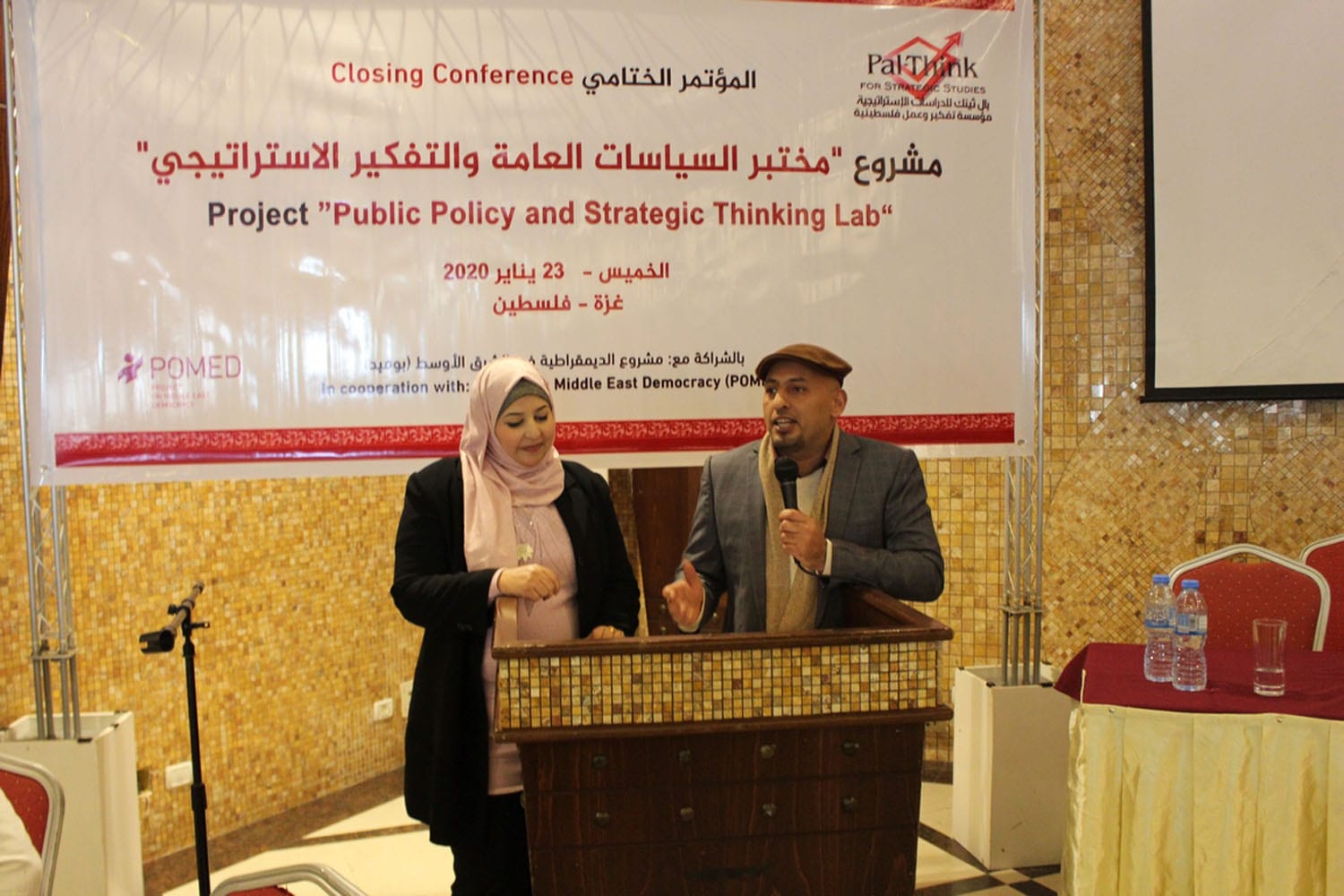
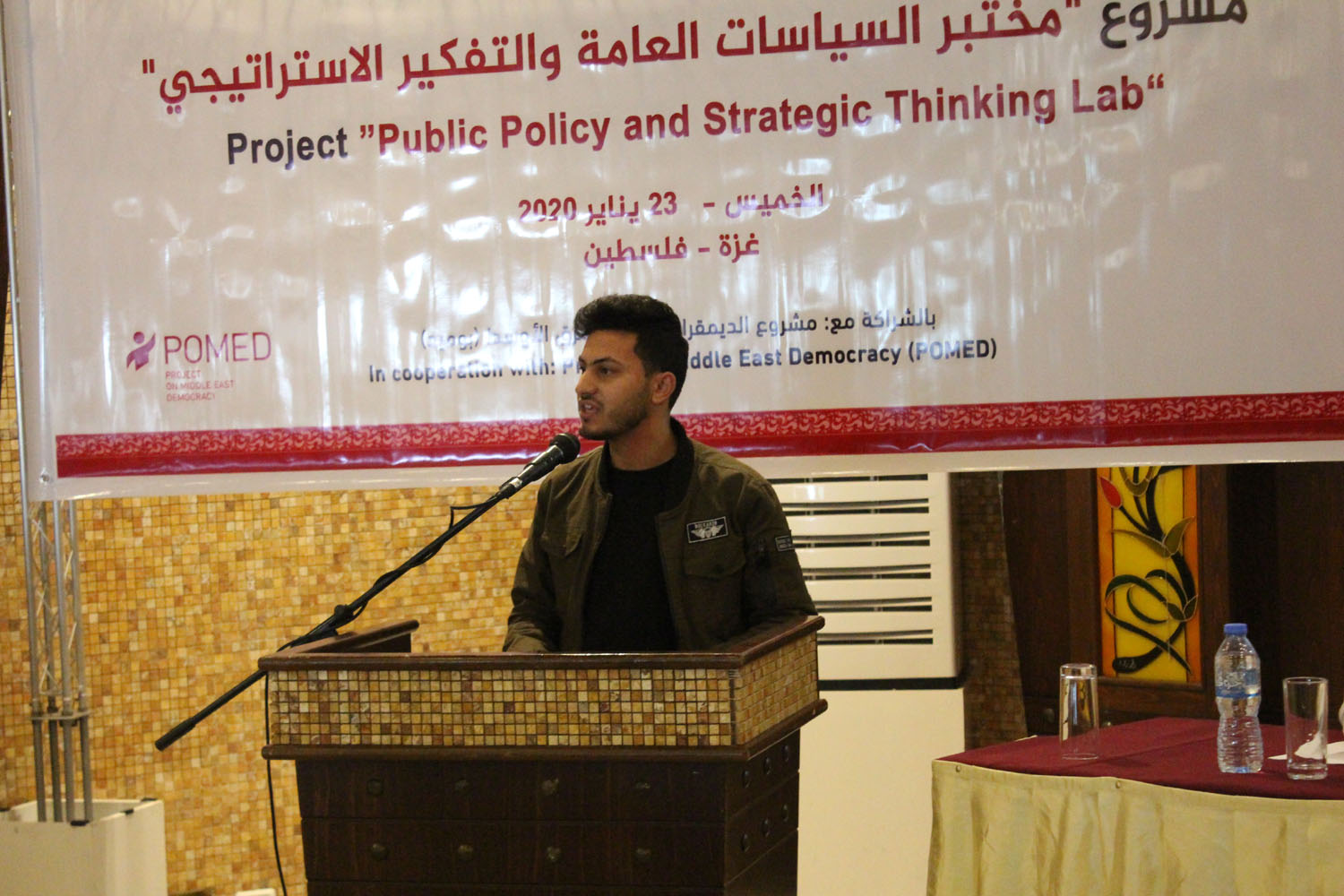
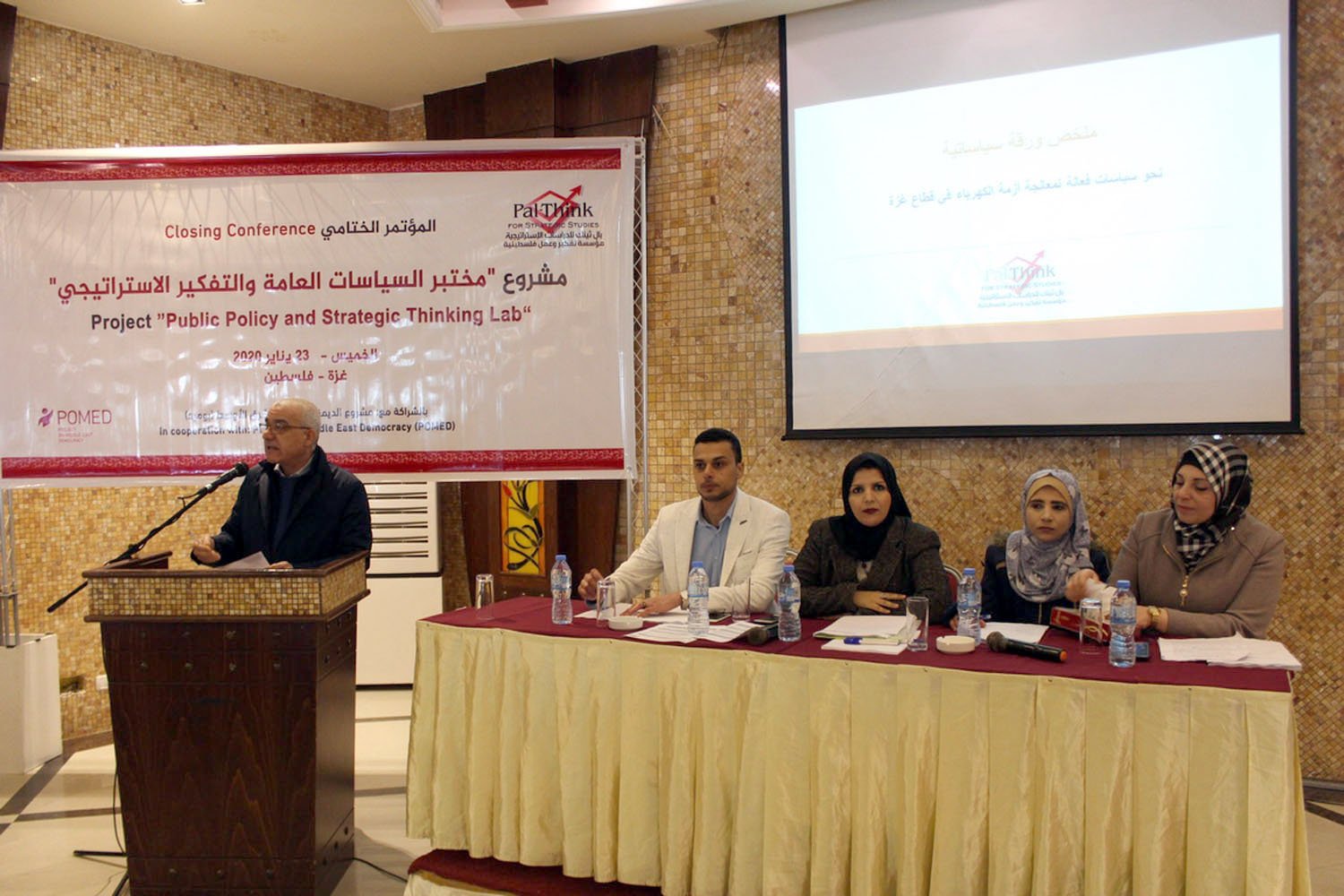
The «Public Policy Lab and Strategic Thinking» project concludes
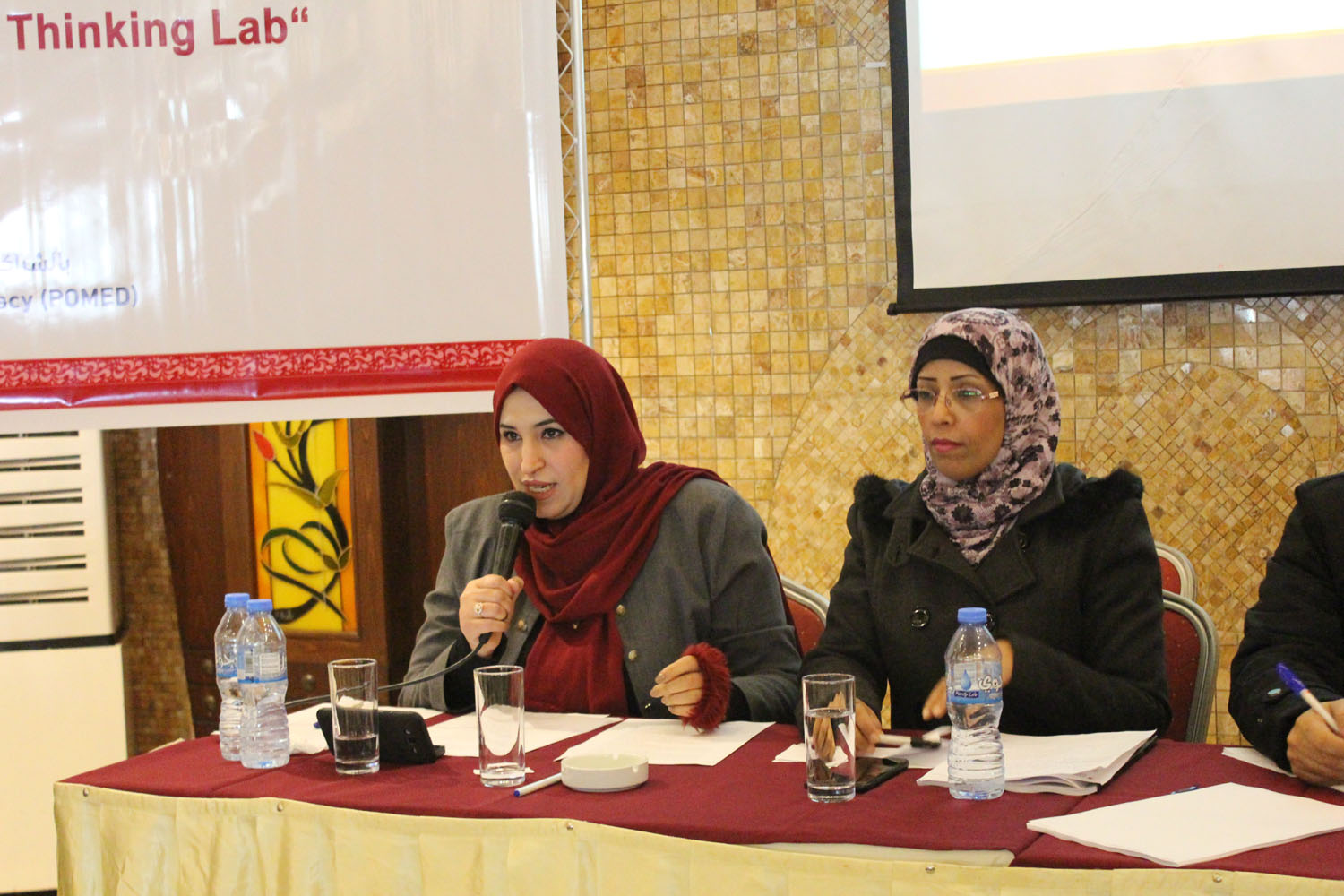
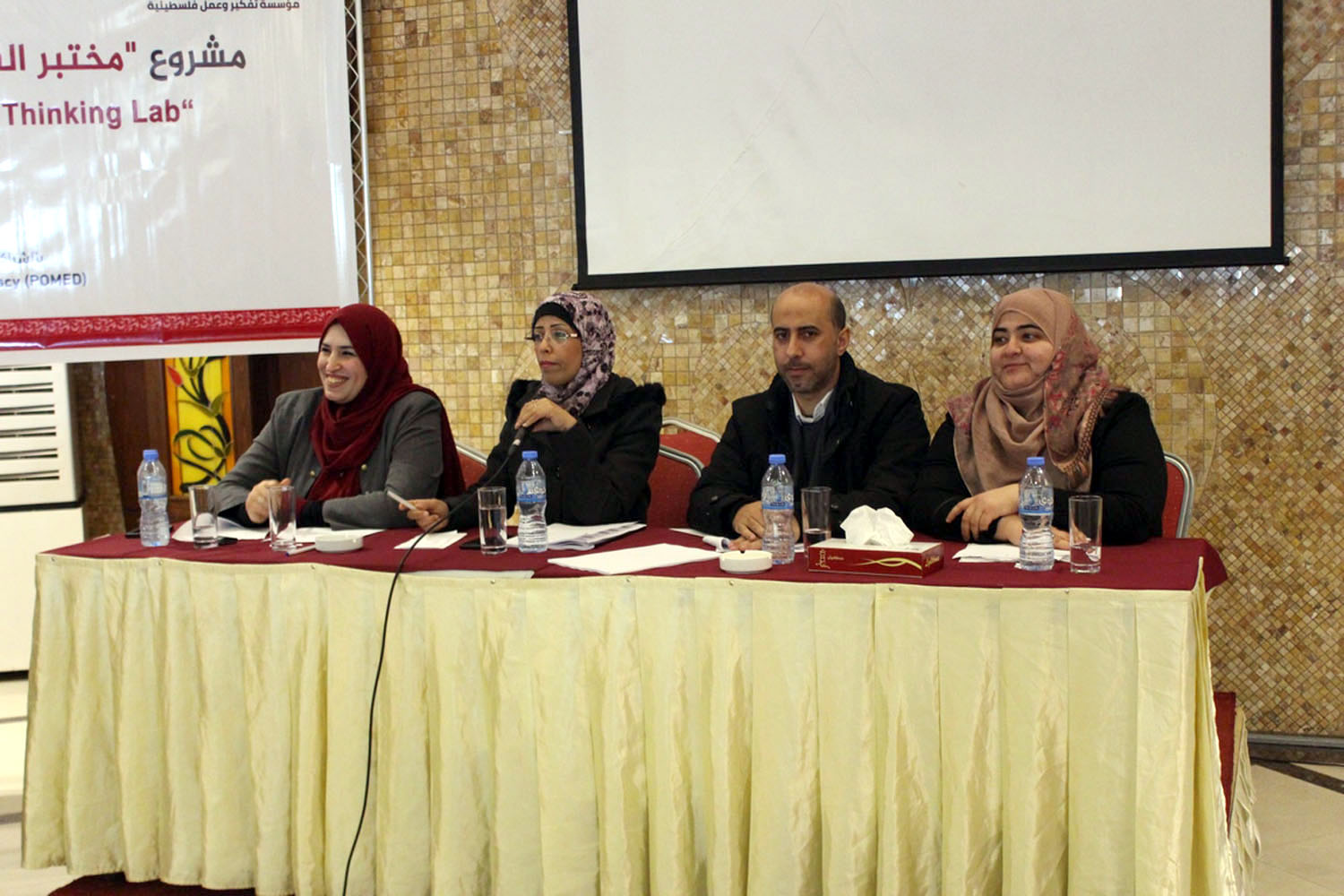
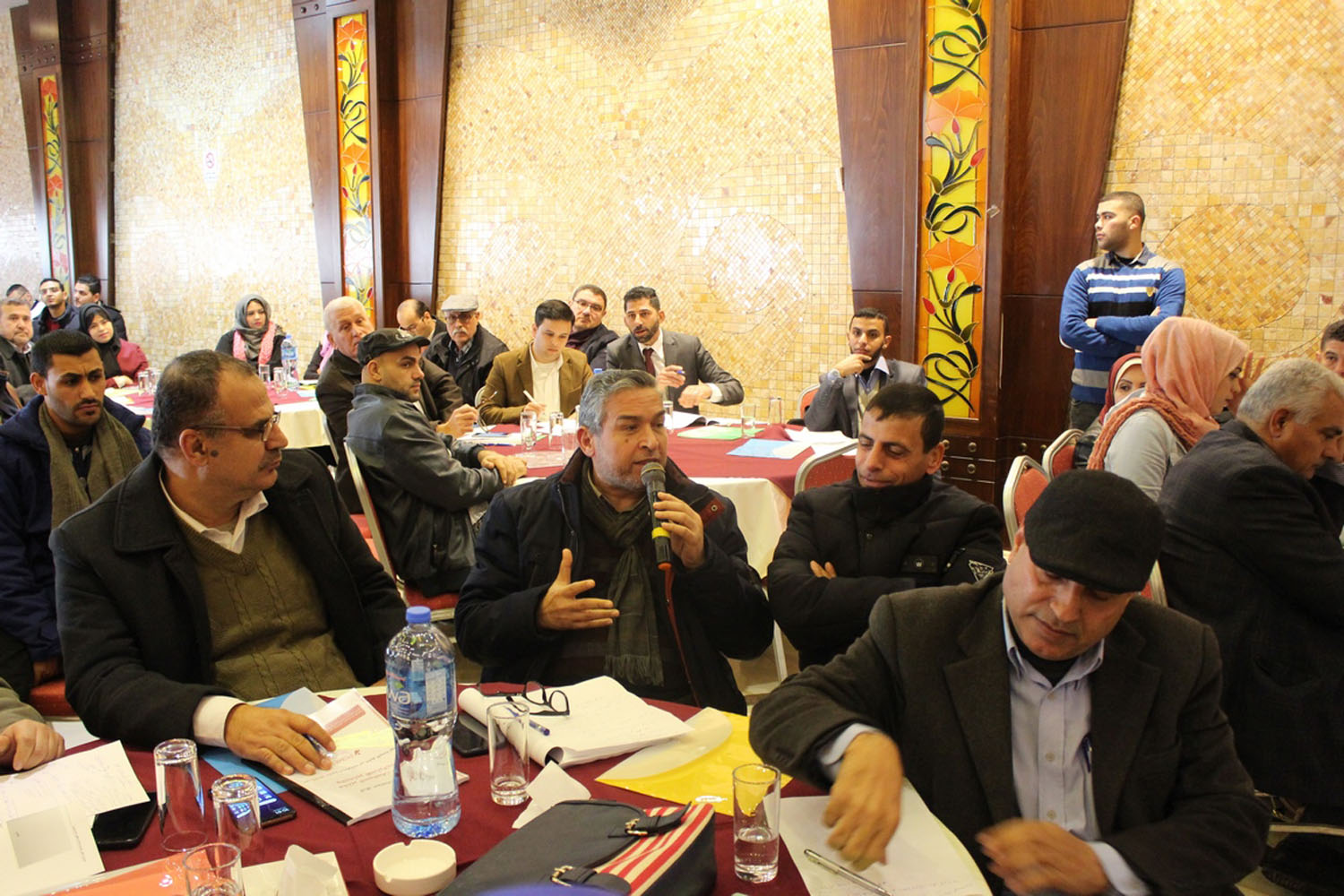
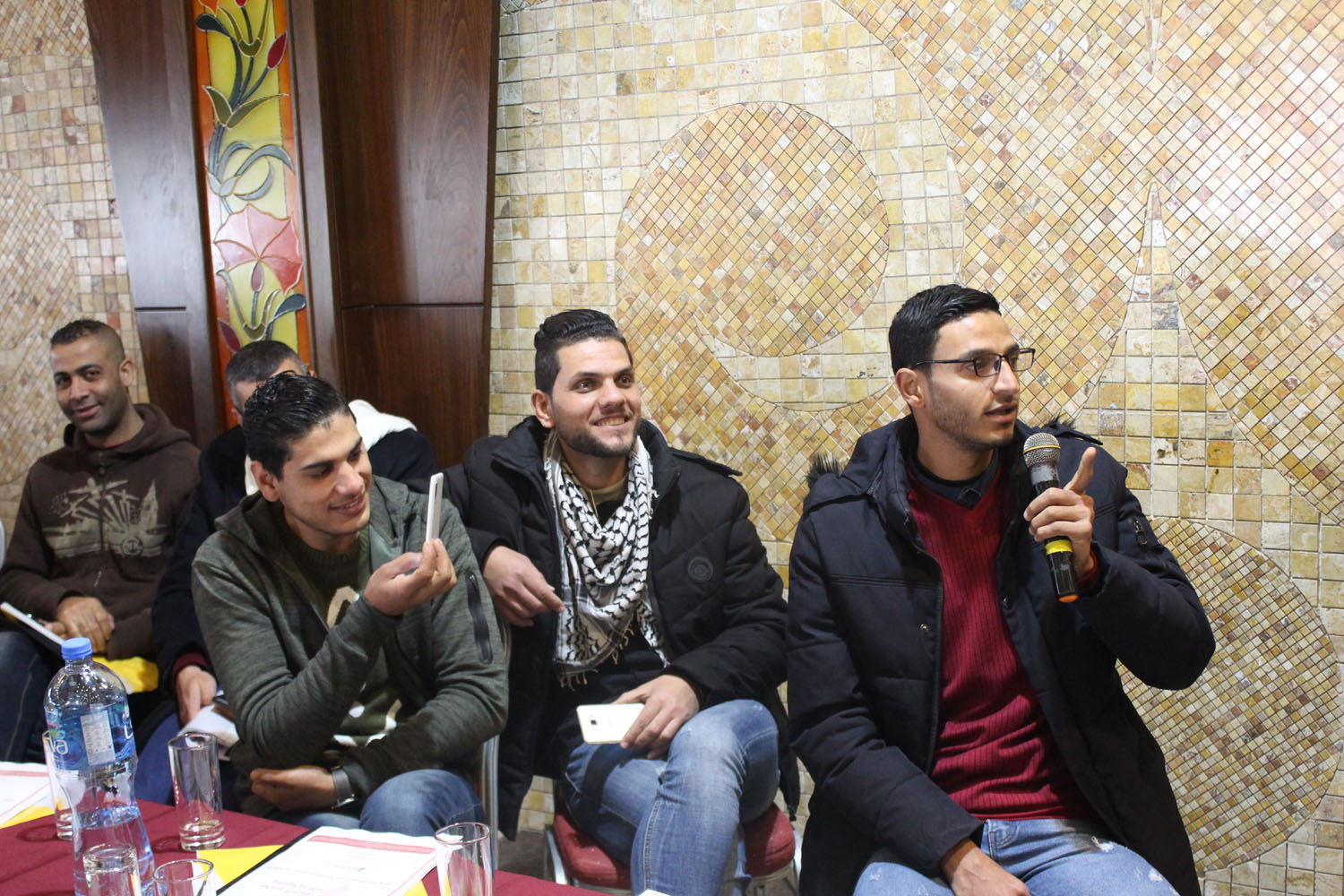
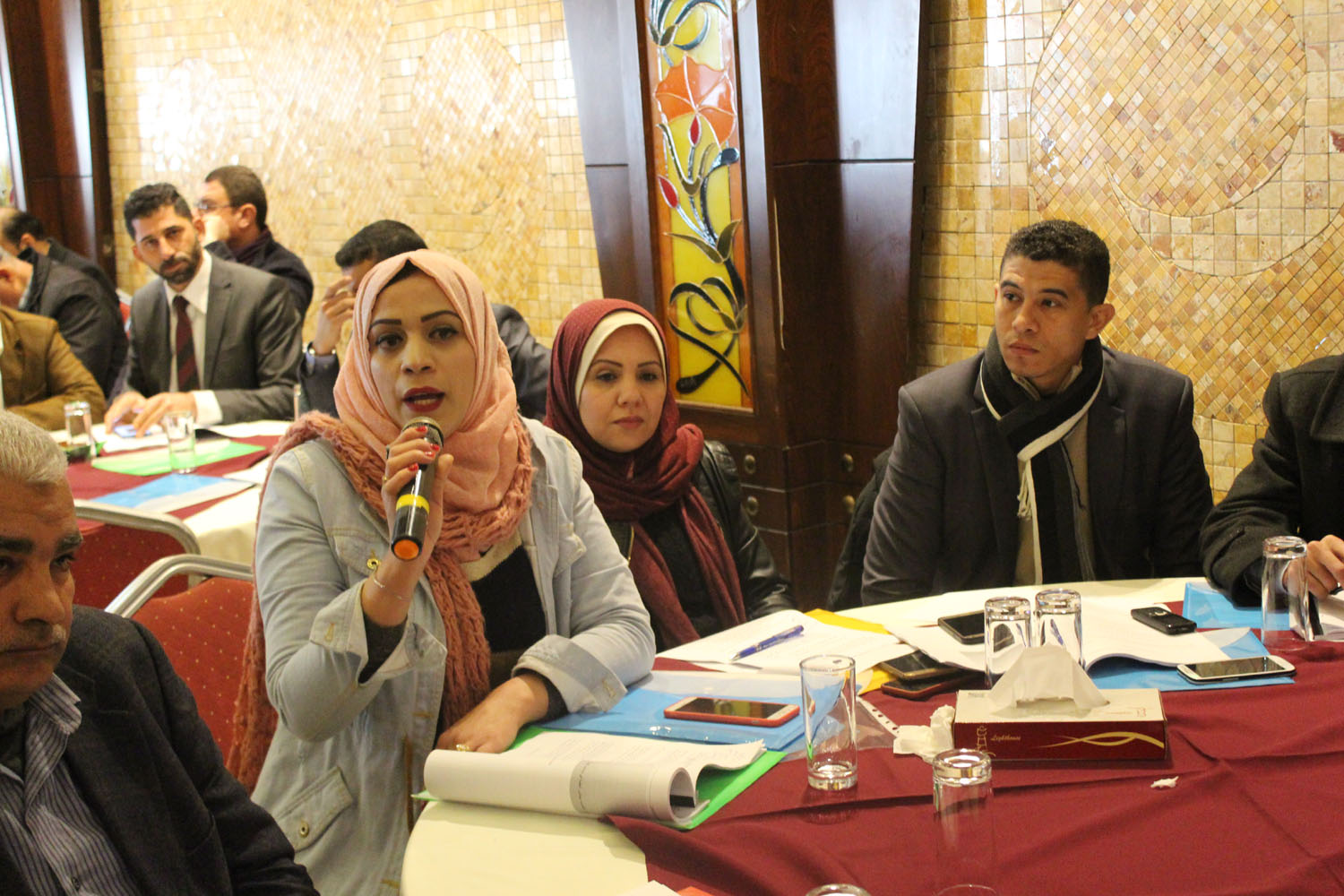
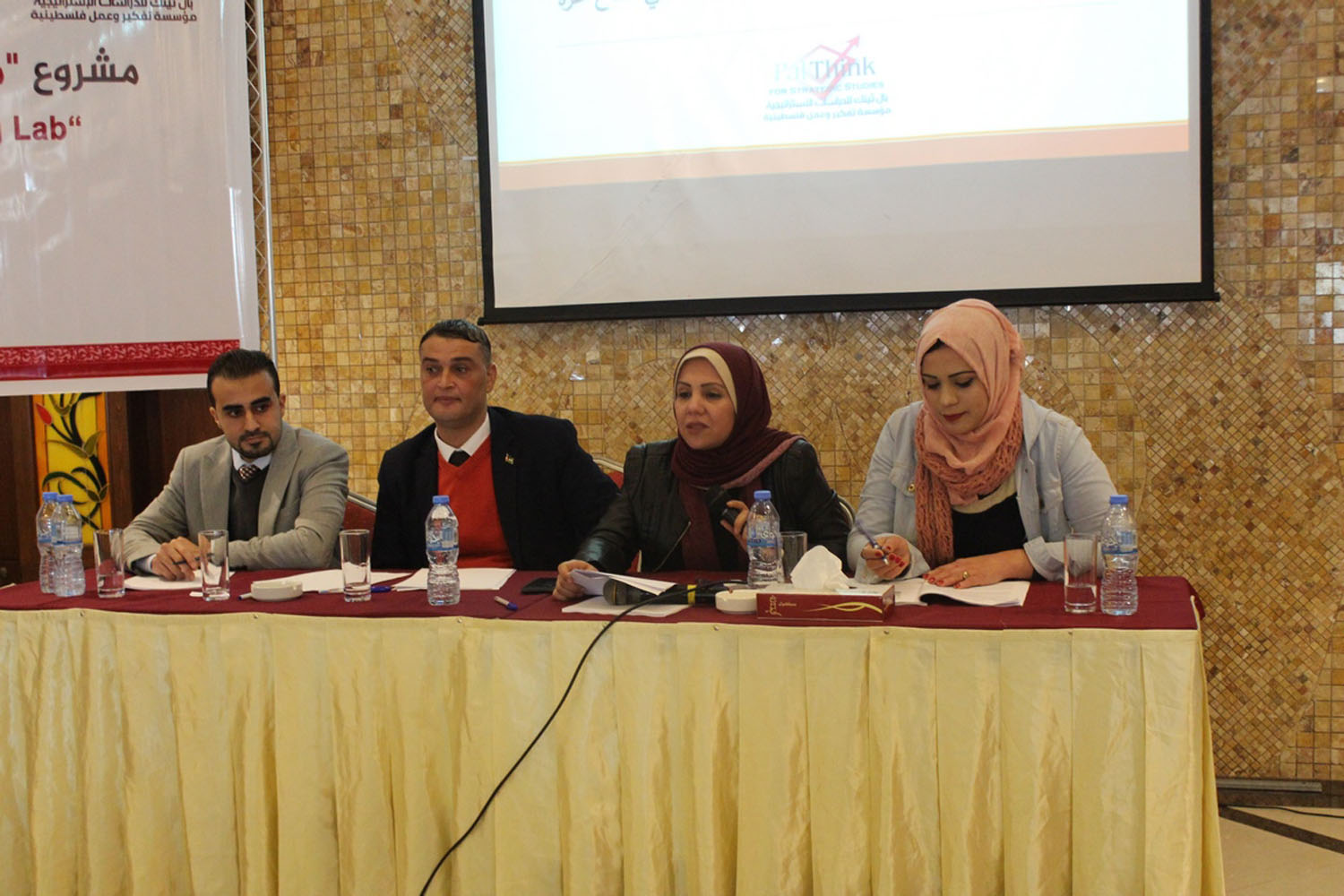
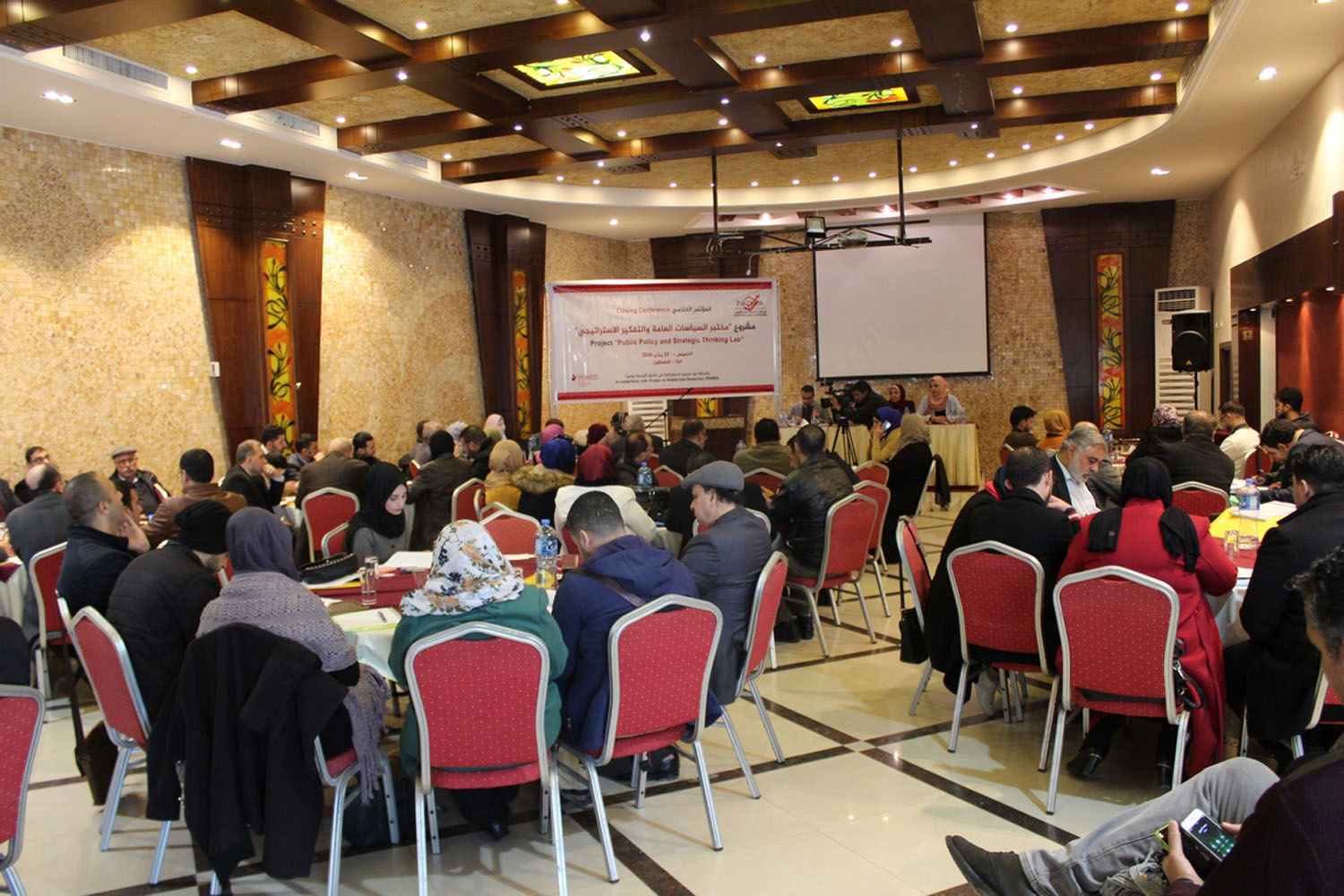
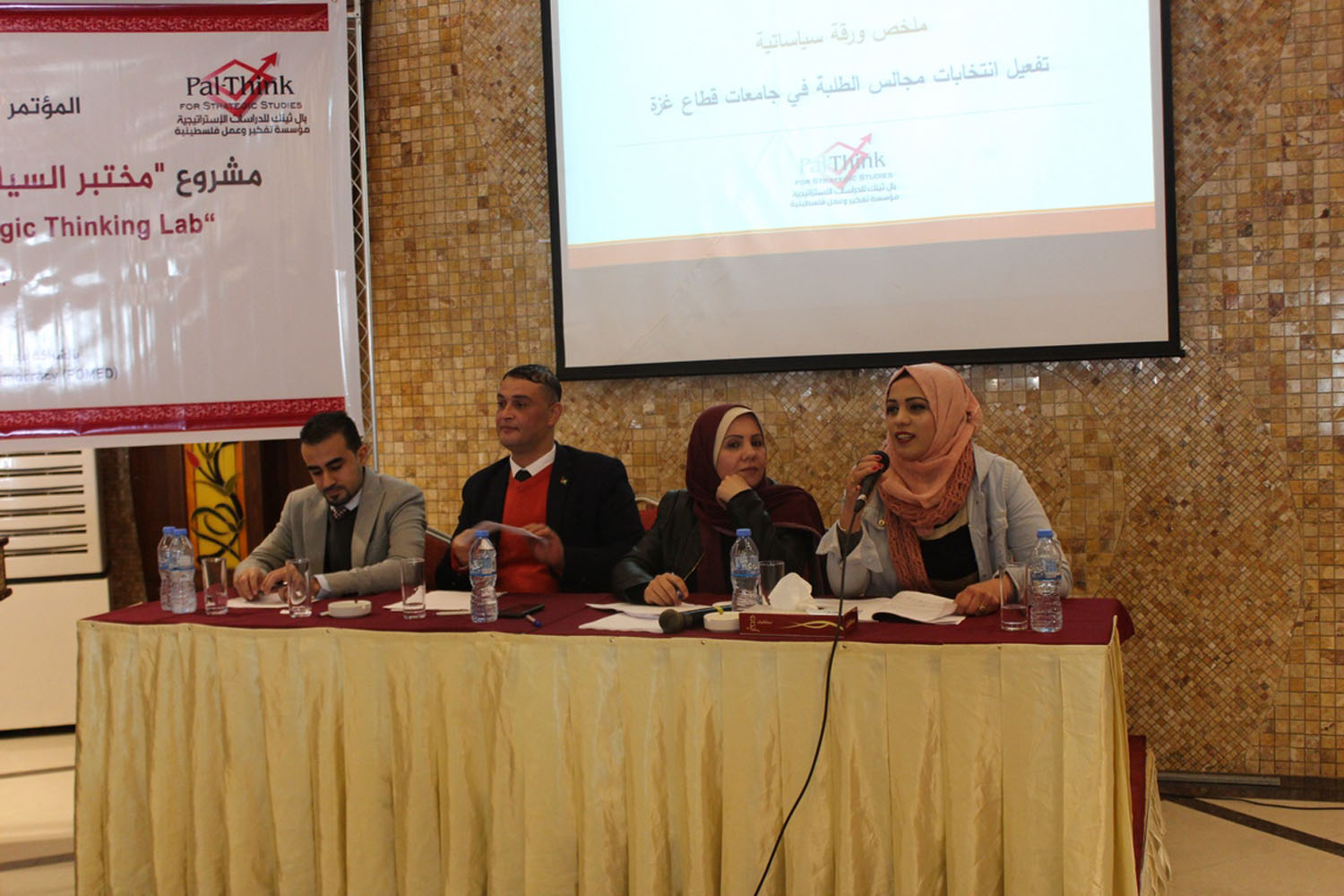
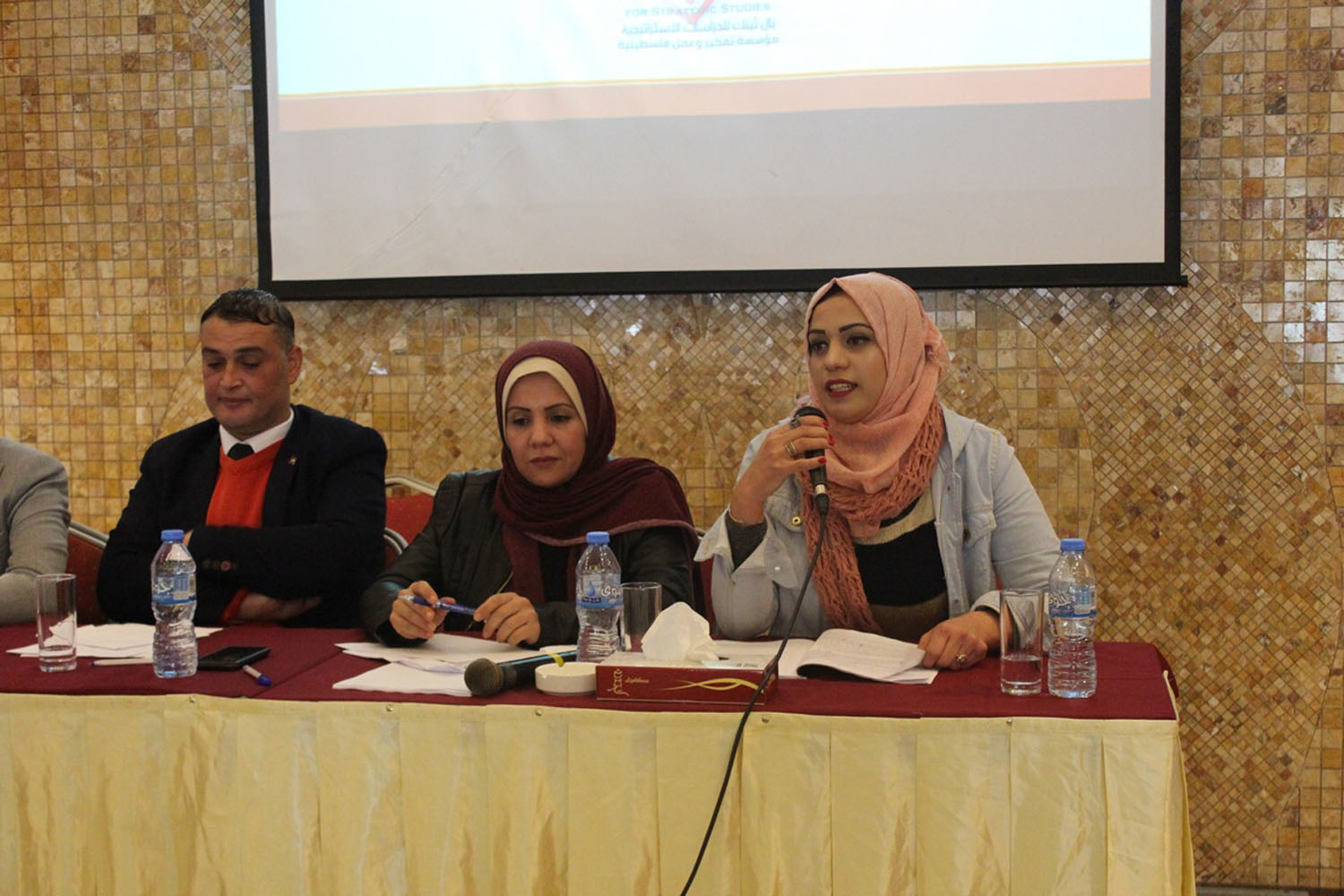
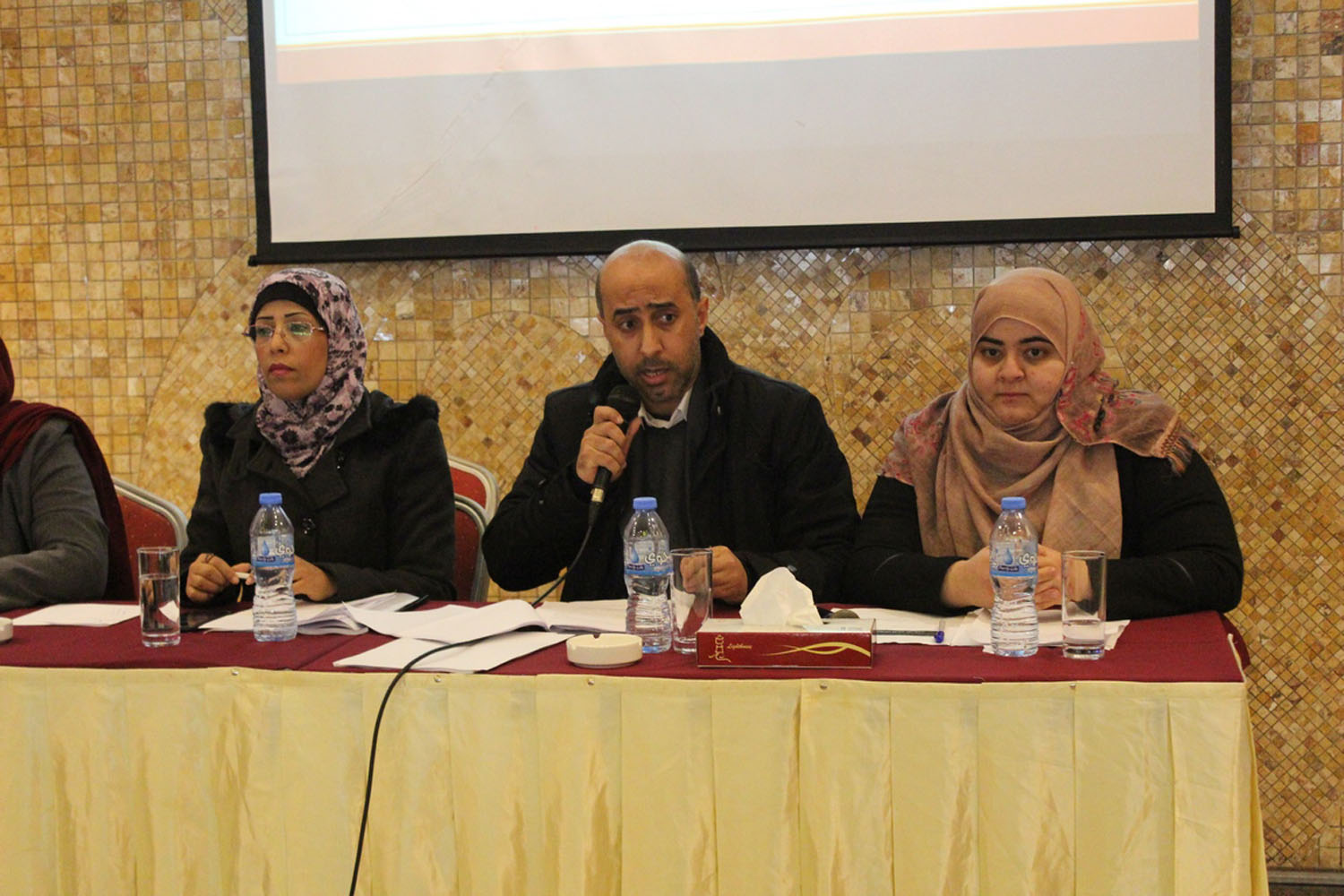
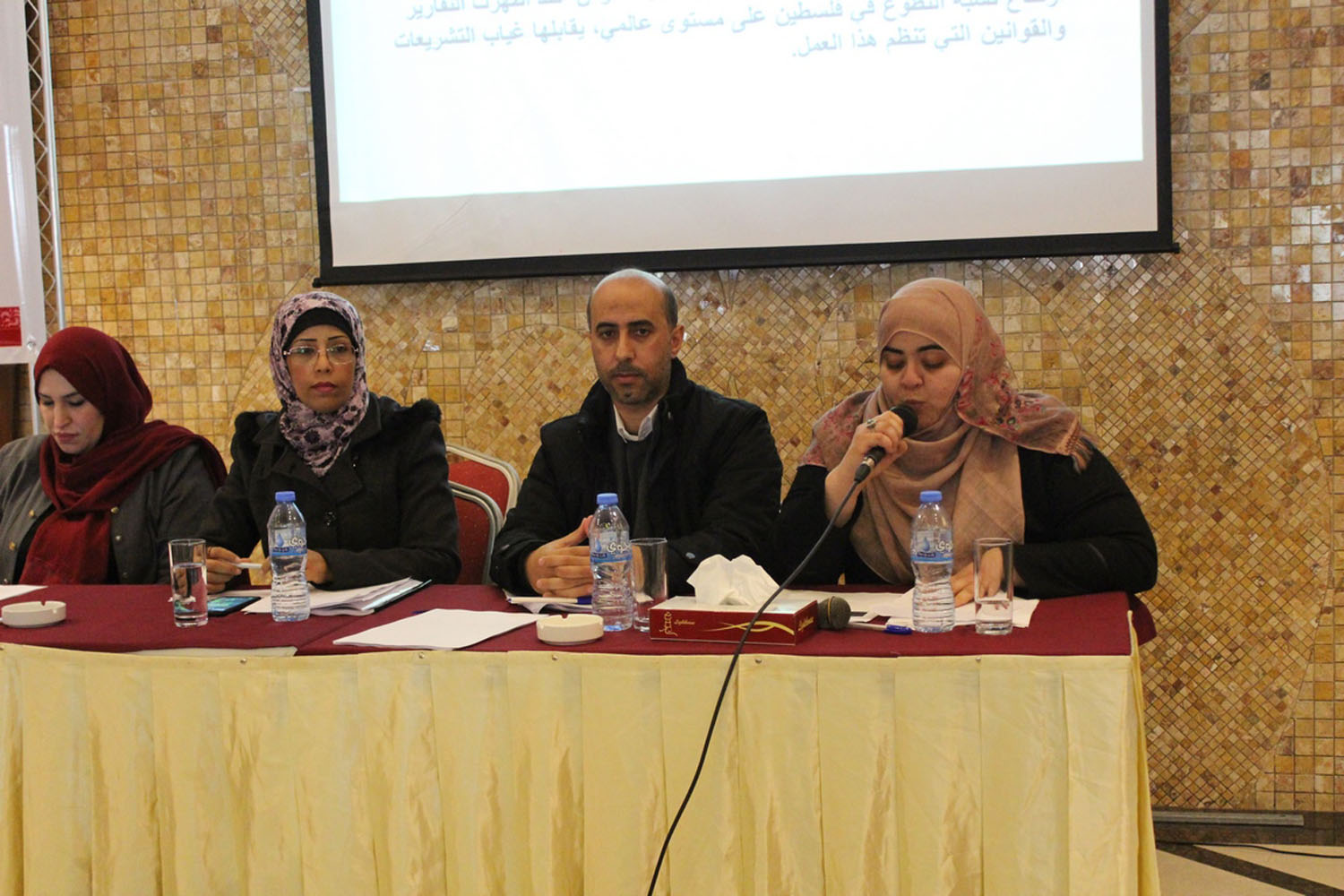
Pal-Think held the closing conference of the «Public-policy and strategic-thinking laboratory» project, July 2019 – January 2020, in partnership with POMED, with a wide circle of academics participating.
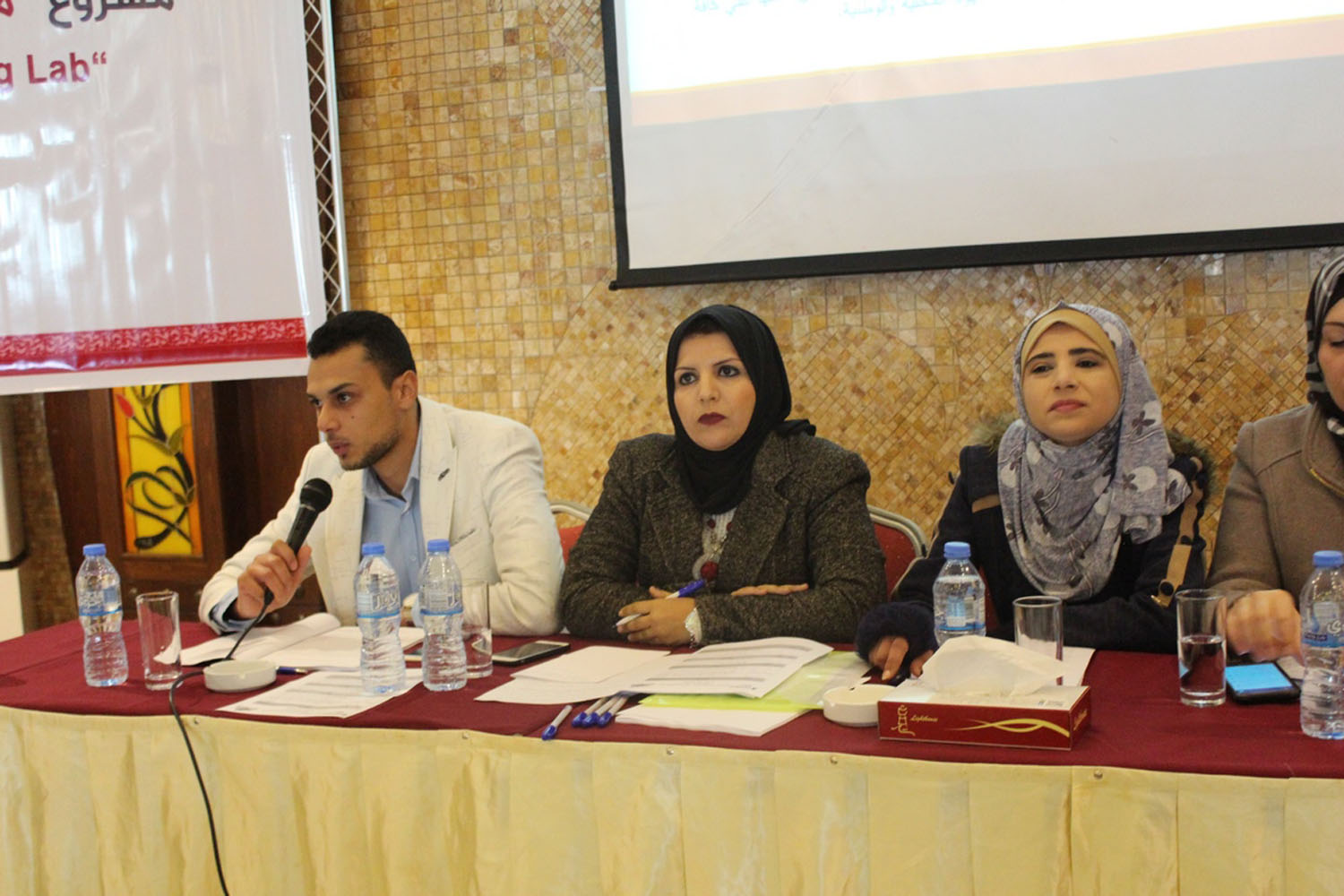
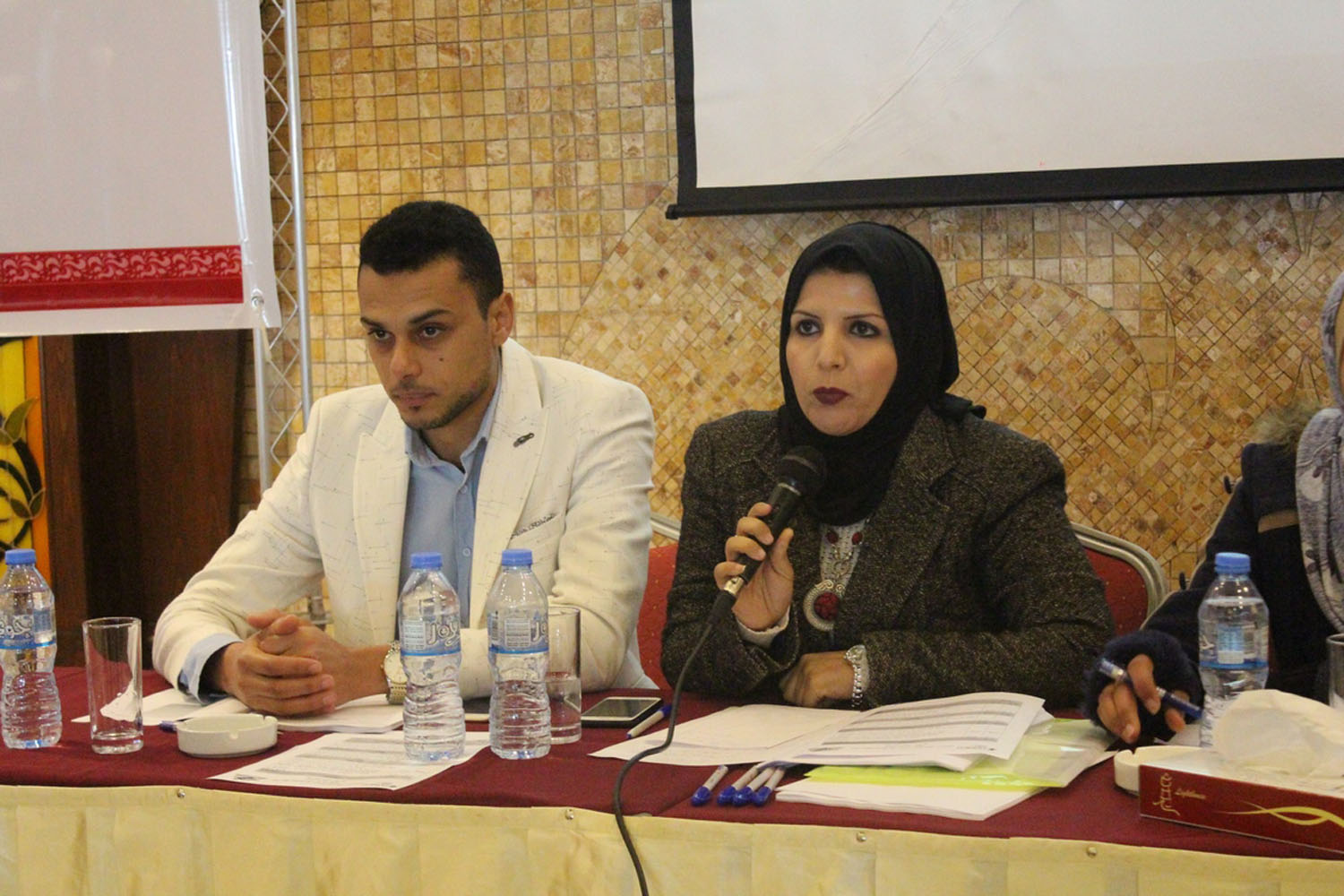
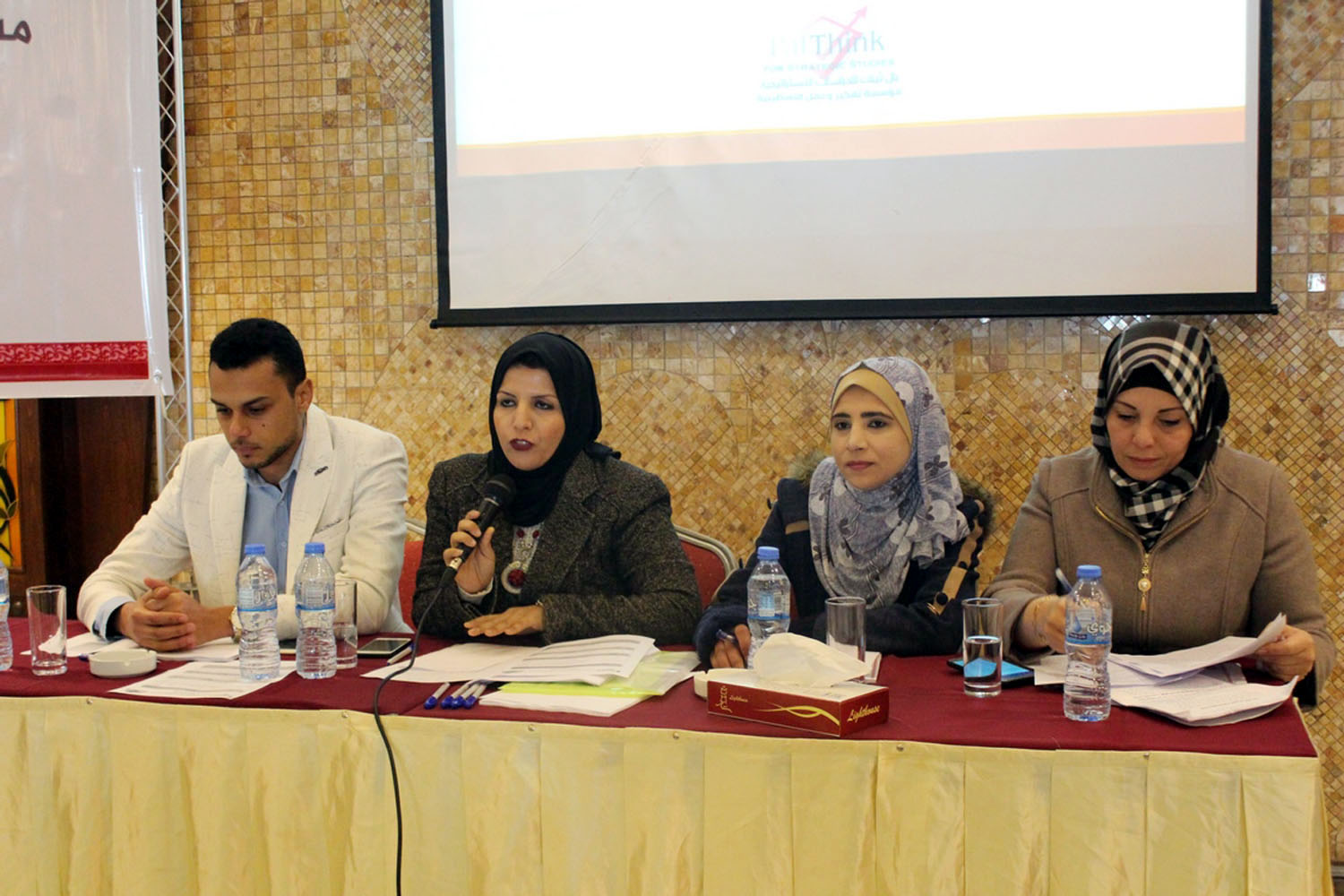
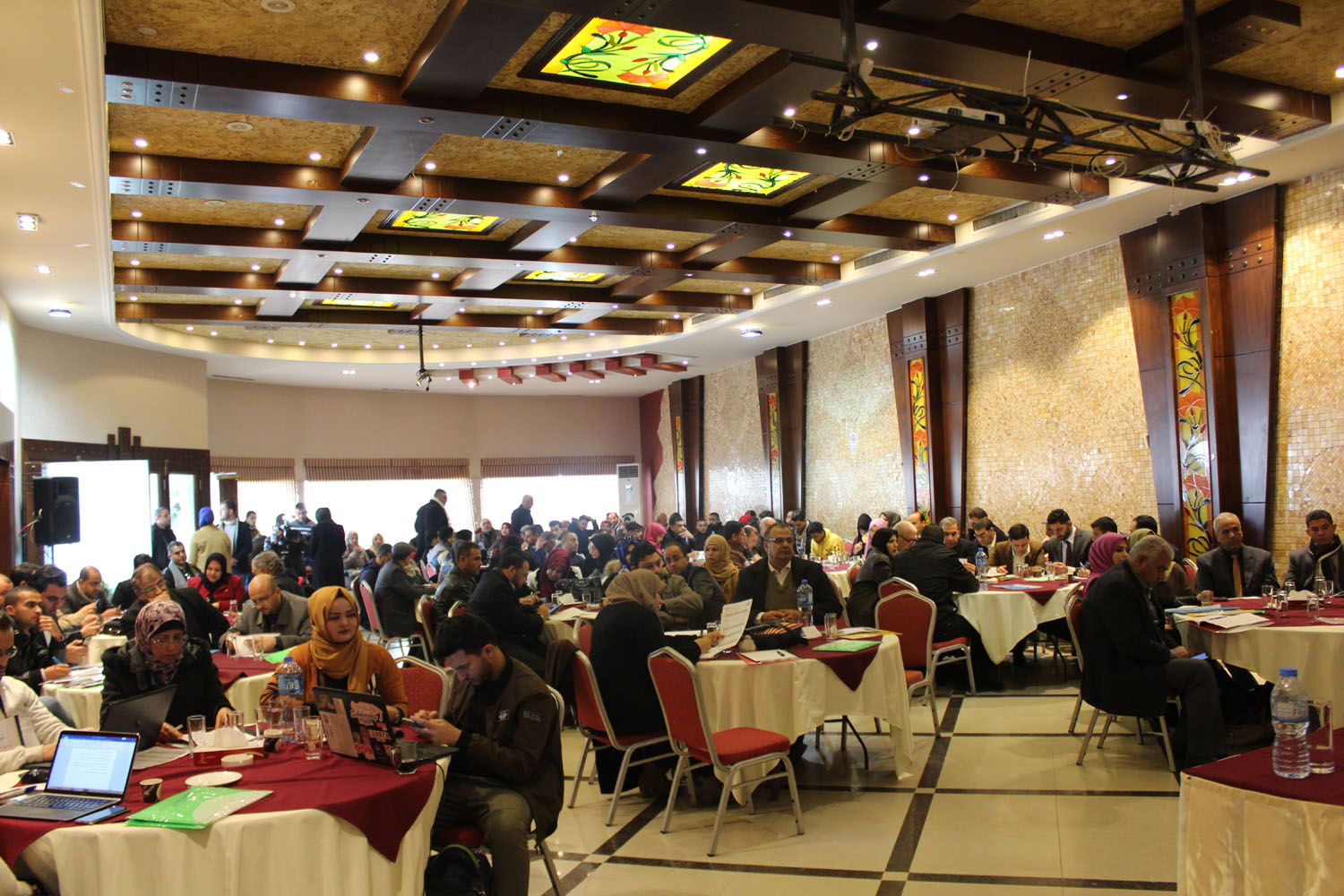
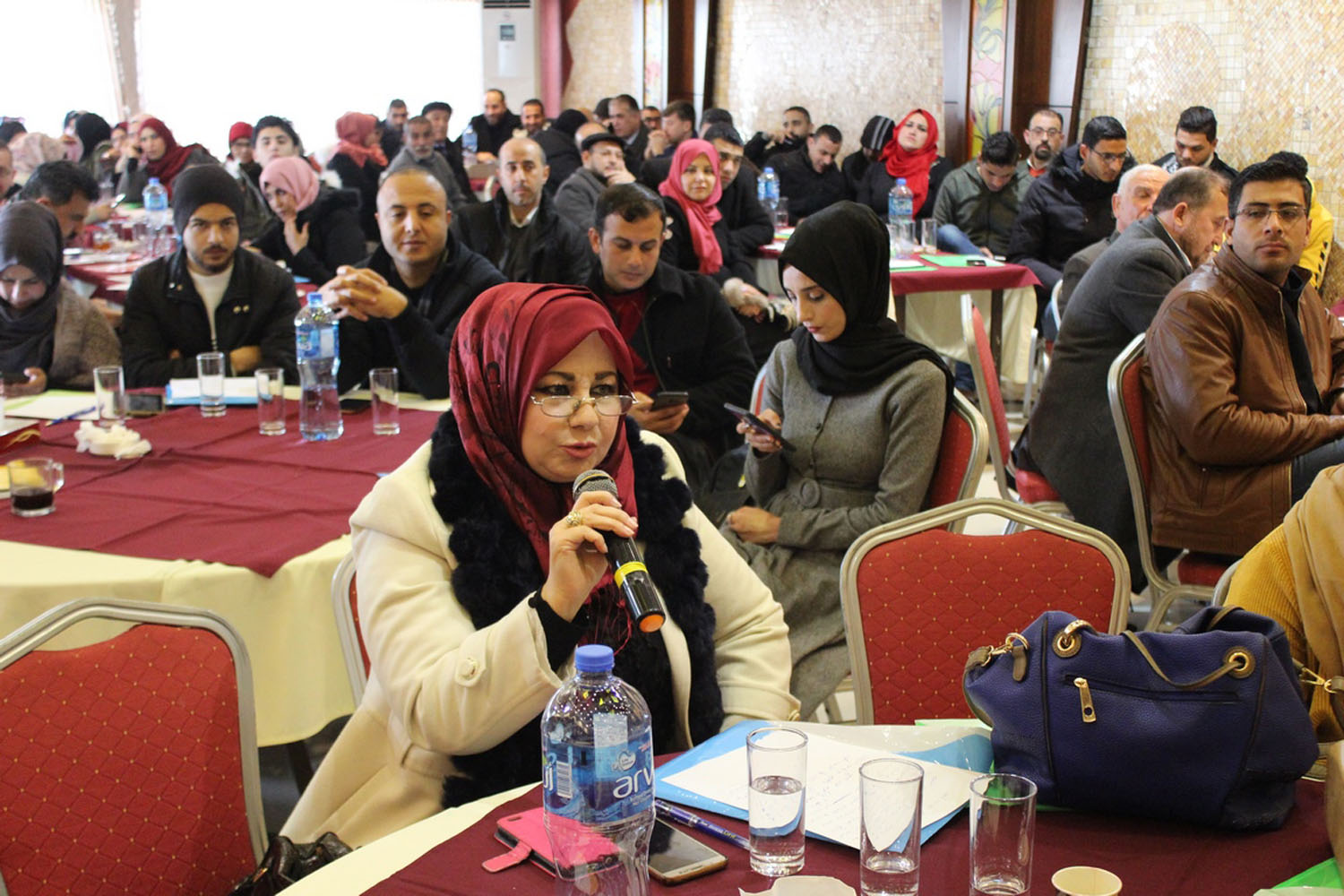
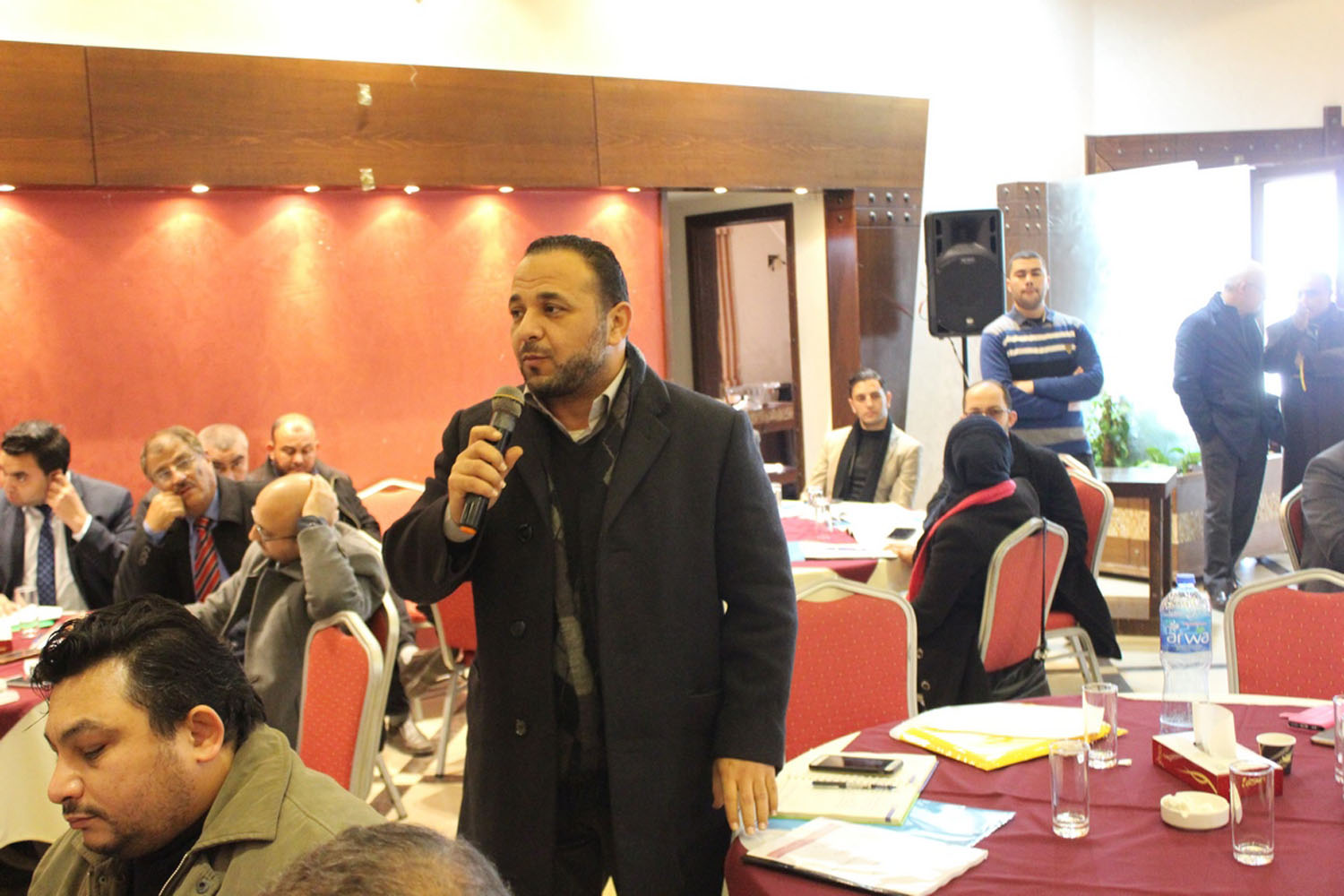
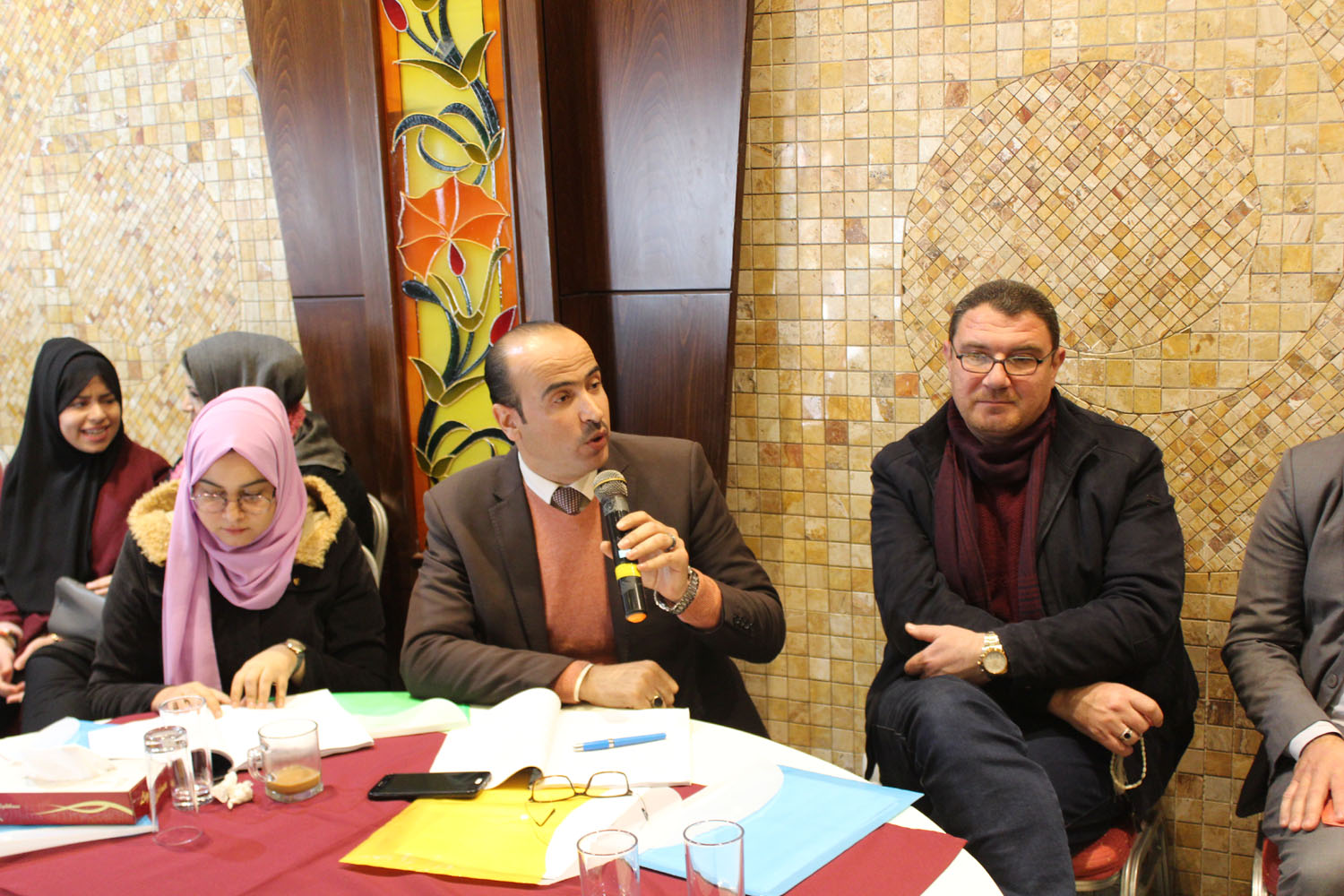
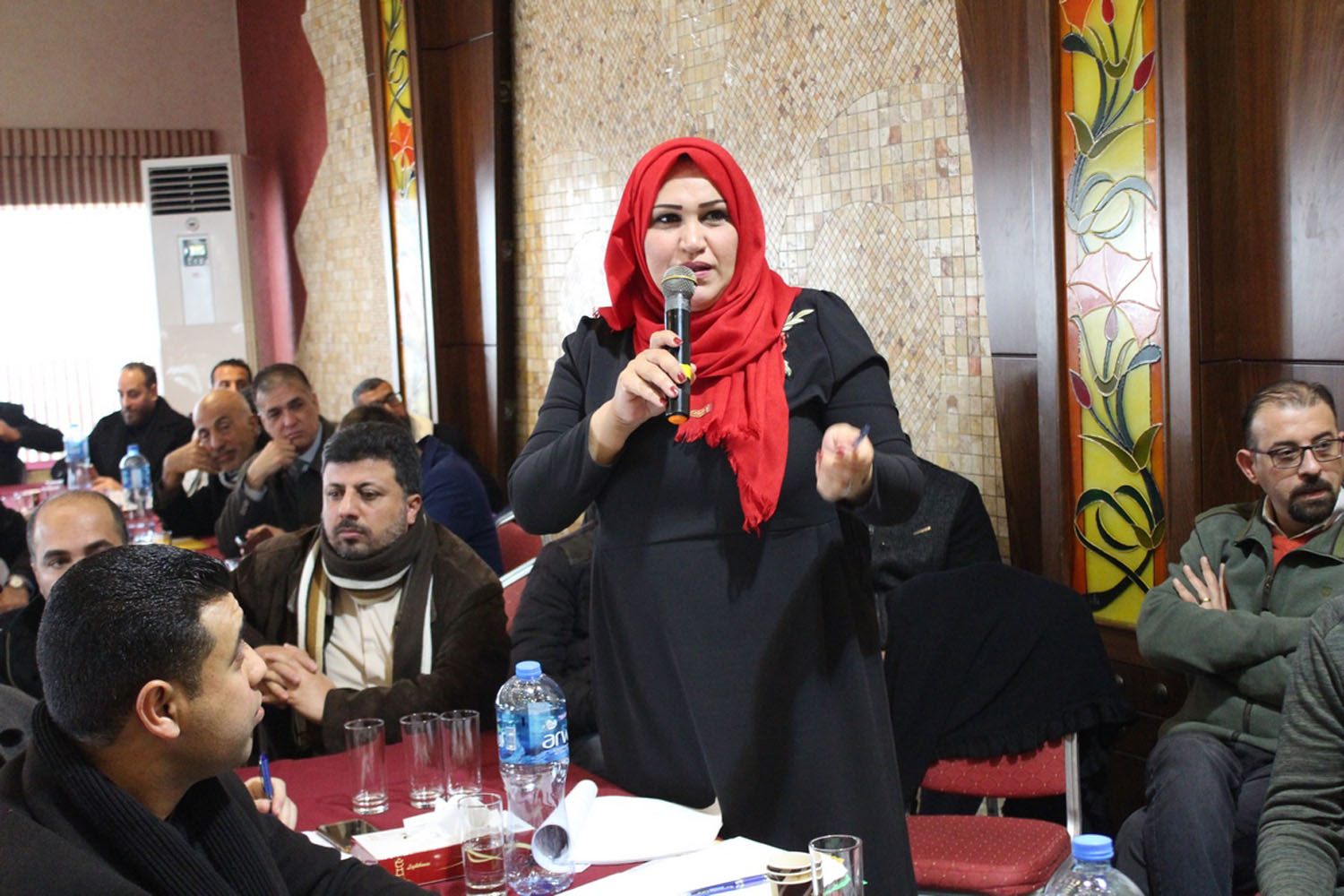
The “Pal-Think for Strategic Studies” institution organised the closing conference of the project “The laboratory of public policy and strategic thinking”, which extended from July 2019 to January 2020, in partnership with the “Project on Middle East Democracy — POMED”, with the participation of a wide elite of academics, researchers, and the interested. Ten policy papers were discussed, taking up important communal issues such as the electricity problem, solid-waste management, economic violence against women, and others — within the efforts of “Pal-Think for Strategic Studies” in domesticating communal development.
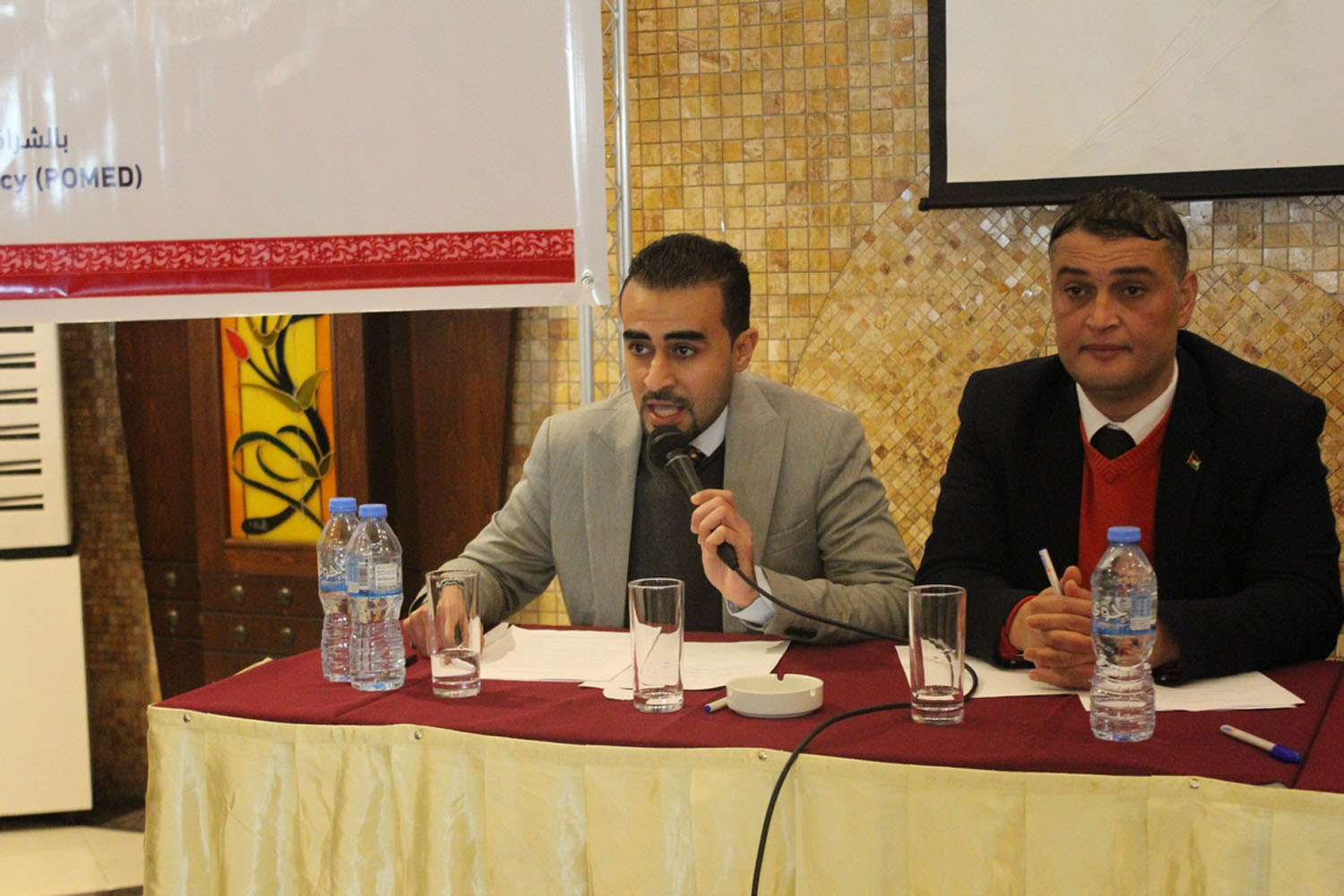
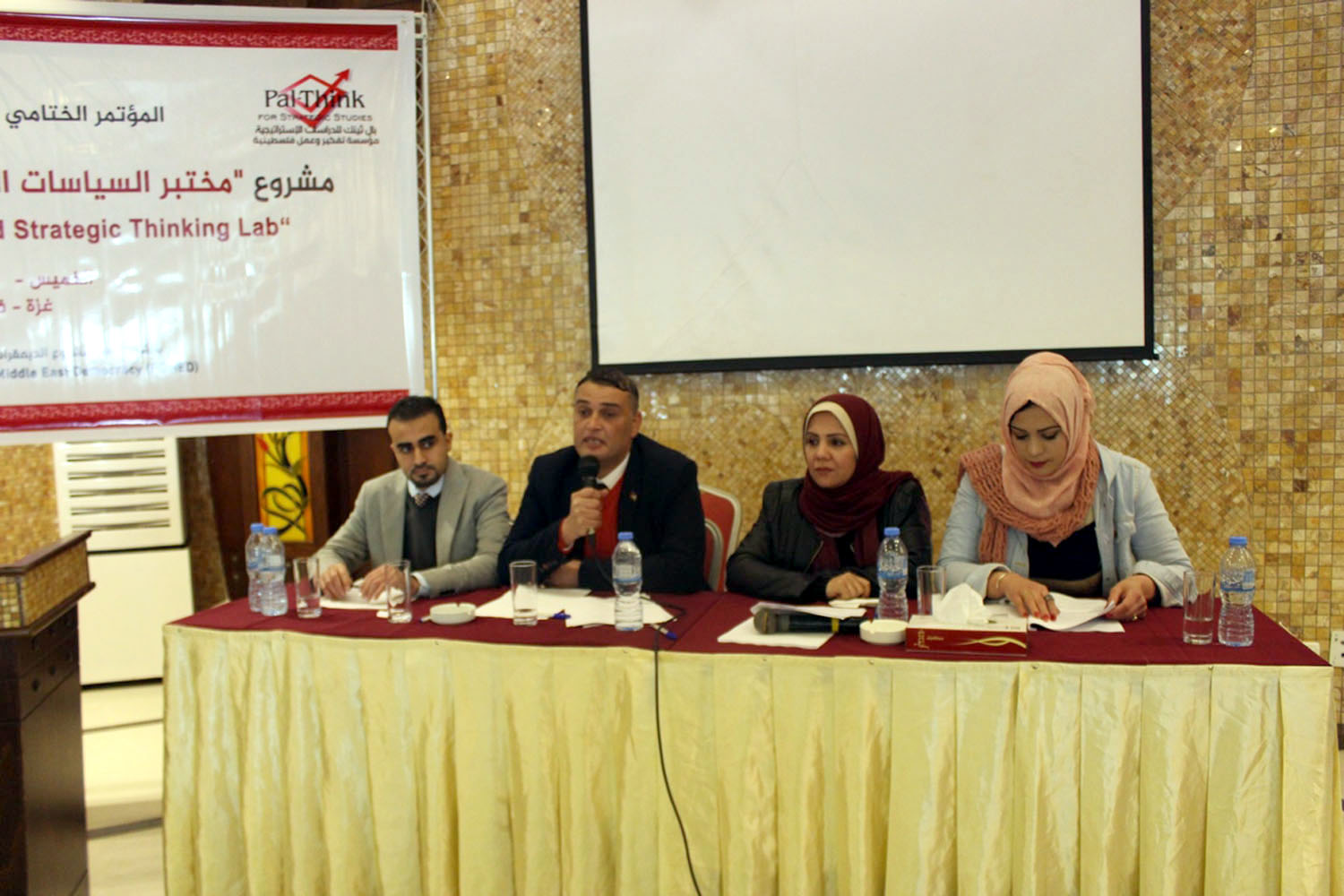
The conference was opened by the director of the “Pal-Think” institution, Mr Omar Shaban, welcoming the attendees, and he said: “This programme and the other programmes Pal-Think implements aim to strengthen youth's research capacities, domesticate local development, and enable Palestinian youth to take part effectively in development — in addition to filling the gap between higher education and the labour market. The conference has three messages, namely: Palestinian youth are able to be a part of the development process and not marginal; able to write and think scientifically; and development must be, to a great extent, with local instruments.”
He added: “Today we present ten research papers after strenuous effort over seven months, by their supervisors: Ms Heba al-Danaf and Mr Yahya al-Qaoud.”
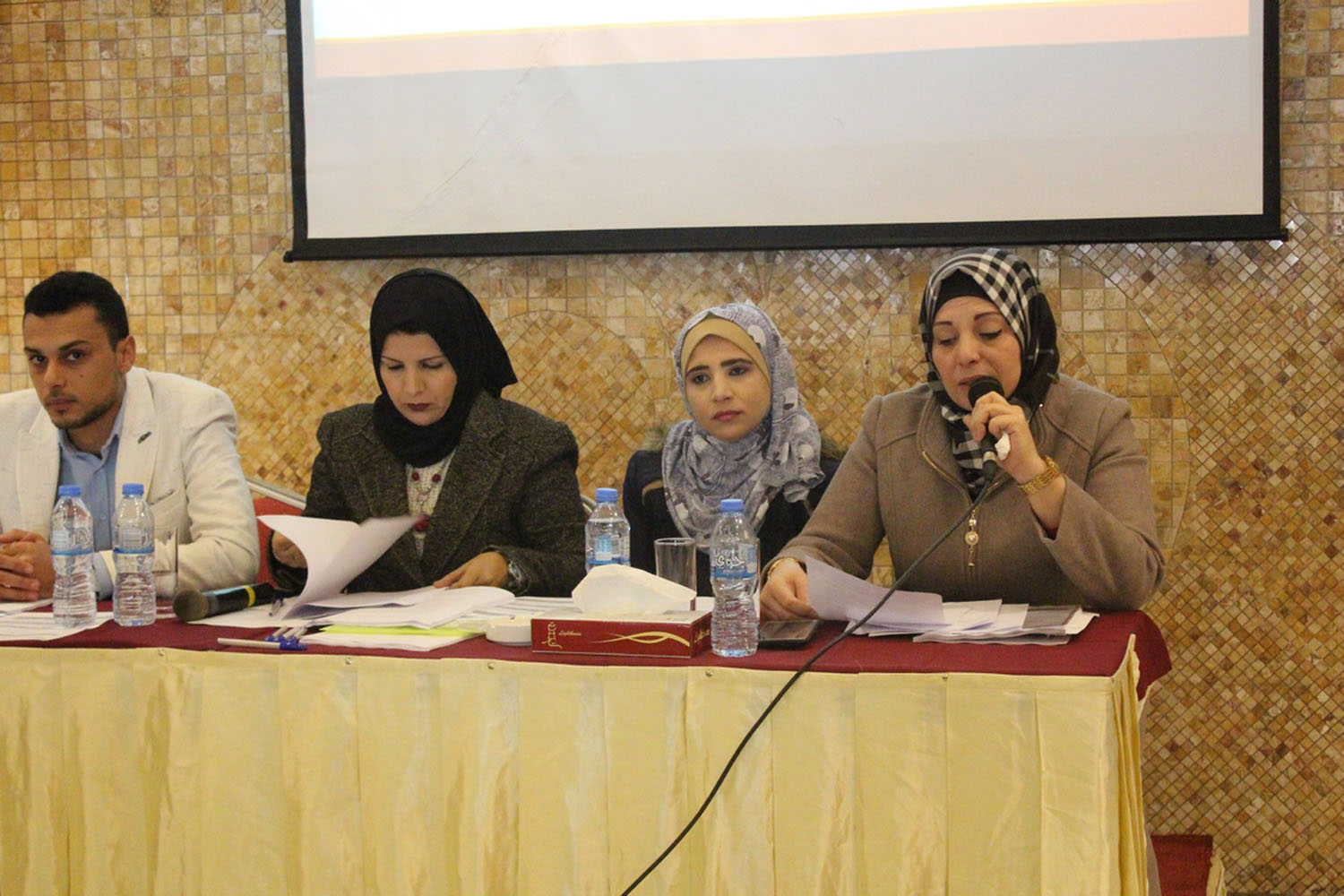
During the first session — moderated by Dr Abeer Thabet, professor of political science — the researcher Khaled Abu Jame presented a paper titled “Toward effective policies to treat the electricity crisis in the Gaza Strip”, in which he discussed the electricity problem in the Gaza Strip and reviewed the Energy Authority's measures to face the crisis. He shed light on the Qatari proposal aiming to convert the electricity company's operation to gas via a pipeline extending from Israel instead of fuel.
The paper likewise put forward three policy alternatives to solve the crisis, namely: importing additional quantities of fuel through pressure from the responsible bodies; forming an independent body to guarantee the implementation of the electricity-improvement understandings; and investing in and supporting the communal initiatives seeking to improve the electricity. Finally the alternatives were adjudicated.
As for the researcher Ola Hilles, she presented a paper titled “Treating and managing solid waste in the Gaza Strip”, and examined the problem of solid waste, which represents half the total of the Gaza Strip's waste, the causes of the problem's aggravation, and its health effects on the environment, plants, and human beings. She spoke of the kinds of solid waste in the Strip and the ways of treating it. She presented three alternatives, namely: managing the disposal of solid waste; an integrated government working programme for attending to and following up the residential areas and the solid-waste dumps; and taking policies to encourage investment in recycling solid waste. She concluded with the adjudication of the alternatives.
The researcher Layali Abu Mahadi likewise presented a paper titled “Policies of limiting economic violence against women in the Gaza Strip”, and took up the problem of economic violence toward women, and set out the causes of the practice of economic violence toward women, and its indicators, in the Gaza Strip.
She put forward three alternatives, namely: adopting policies of eliminating discrimination within the Palestinian laws in a way that guarantees taking the necessary measures leading to women's economic empowerment; a feminist working plan to face economic violence; and encouraging women to control their economic assets. And finally she adjudicated the alternatives.
For their part, the researchers Kamal Dalloul and Duaa Daghmash presented a paper titled “Treating the pollution of the sea water with wastewater”, in which they discussed the problem of the sea water's pollution with wastewater and its repercussions on the fish stock, health, the danger of environmental pollution, and tourism. They reviewed the reality of the sewage-treatment plants and their challenges, and the Environment Quality Authority's policy toward the sea's pollution with wastewater.
The paper presented three alternatives, namely: treating and refining the wastewater instead of discharging it into the sea; restoring and repairing the infrastructure; exporting the wastewater and disposing of it. The paper concluded with the adjudication of the alternatives.
During the second session, moderated by the researcher and economic specialist Dr Raed al-Hilles, the researcher Yousef al-Haddad presented a paper titled “Effective policies for reforming the judicial apparatus in Palestine”, which examined the problem of the judiciary, the division's effect on it, the absence of accountability and holding to account, and the existence of two judicial authorities: one in the West Bank and another in the Gaza Strip. It presented the challenges facing the judicial authority. It put forward three alternatives, namely: unifying and neutralising the Palestinian judiciary; strengthening the judiciary's independence in light of the Palestinian division; developing and reforming the judicial apparatus. And the paper adjudicated the alternatives.
As for the researchers Ola Hilles and Walaa al-Hayek, they presented a paper titled “Policies of activating remote work and limiting unemployment in the Gaza Strip”, which discussed the unemployment problem in the Strip and the extent of freelance work's capacity to provide work opportunities for youth. The paper reviewed what freelance work is, its reality and challenges in Palestine, especially in Gaza, in addition to successful Palestinian experiences with freelance work. It put forward two alternatives, namely: strengthening and developing the student's and graduate's capacities and qualifying them for the remote labour market; developing the remote-work environment and market in Palestine. Then the alternatives were adjudicated.
The researcher Hala Abu Abdo likewise presented a paper titled “Activating student-council elections in the Gaza Strip's universities”, which took up the problem of the stoppage of student-council elections in the Gaza Strip's universities, and the effect of that on the students and society. She made clear the impediments to holding the elections in the universities, the student frames' position on student-council elections, and their importance. She put forward three alternatives: holding student-council elections periodically in the Gaza Strip; neutralising student-council elections from the circle of the division; updating the electoral system of the student councils. And finally, the alternatives were adjudicated.
During the third session, moderated by Dr Samia al-Ghussein, professor of public international law, the researchers Bilal al-Shaer and Hala Abu Abdo presented a paper titled “Policies of strengthening the rehabilitation sector in applying the protection criteria within the humanitarian response for persons with disability in the Gaza Strip”, which discussed the problem of the weakness of the rehabilitation institutions' role in the Gaza Strip in applying the protection criteria for persons with disability, who suffer communal and political marginalisation. It shed light on the reality of protection in the humanitarian response in the Gaza governorates, on the reality of persons with disability in the Strip, and the causes of the rehabilitation sector's weakness. The paper presented three alternatives, namely: the rehabilitation sector adopting the protection criteria in the humanitarian response; engaging persons with disability in the process of setting the related policies, legislation, and programmes; and activating oversight policies by the sector of civil and government institutions. And the alternatives were adjudicated.
For their part, the researchers Areej Jareed and Haneen al-Amassi presented a paper titled “Strengthening voluntary work for Palestinian youth”, which examined the problem of volunteering in the Gaza Strip and its effect on society, the problem of the confusion of rights and duties over volunteering on one side, and the absence of government oversight on the other side. It spoke of the legal organisation of voluntary work, its impediments and problematics. It presented three alternatives: legislating a law organising voluntary work; forming a supreme national body for volunteering; and strengthening the culture of voluntary work. And the alternatives were adjudicated.
The researcher Sahar Aqila likewise presented a paper titled “Strengthening women's role and representation in the Palestinian syndicates”, which presented the problem of women's absence in the Palestinian syndicates, and spoke of women and syndicate work in Palestine, and the impediments to women's presence in proportions equal to men. She presented three alternatives: establishing units specialised in strengthening equality between the sexes within the syndicates; practising the democratic procedure — elections; and encouraging women to join the syndicates and reach the administrative bodies and leadership positions in them, and women demanding their rights. And the alternatives were adjudicated.
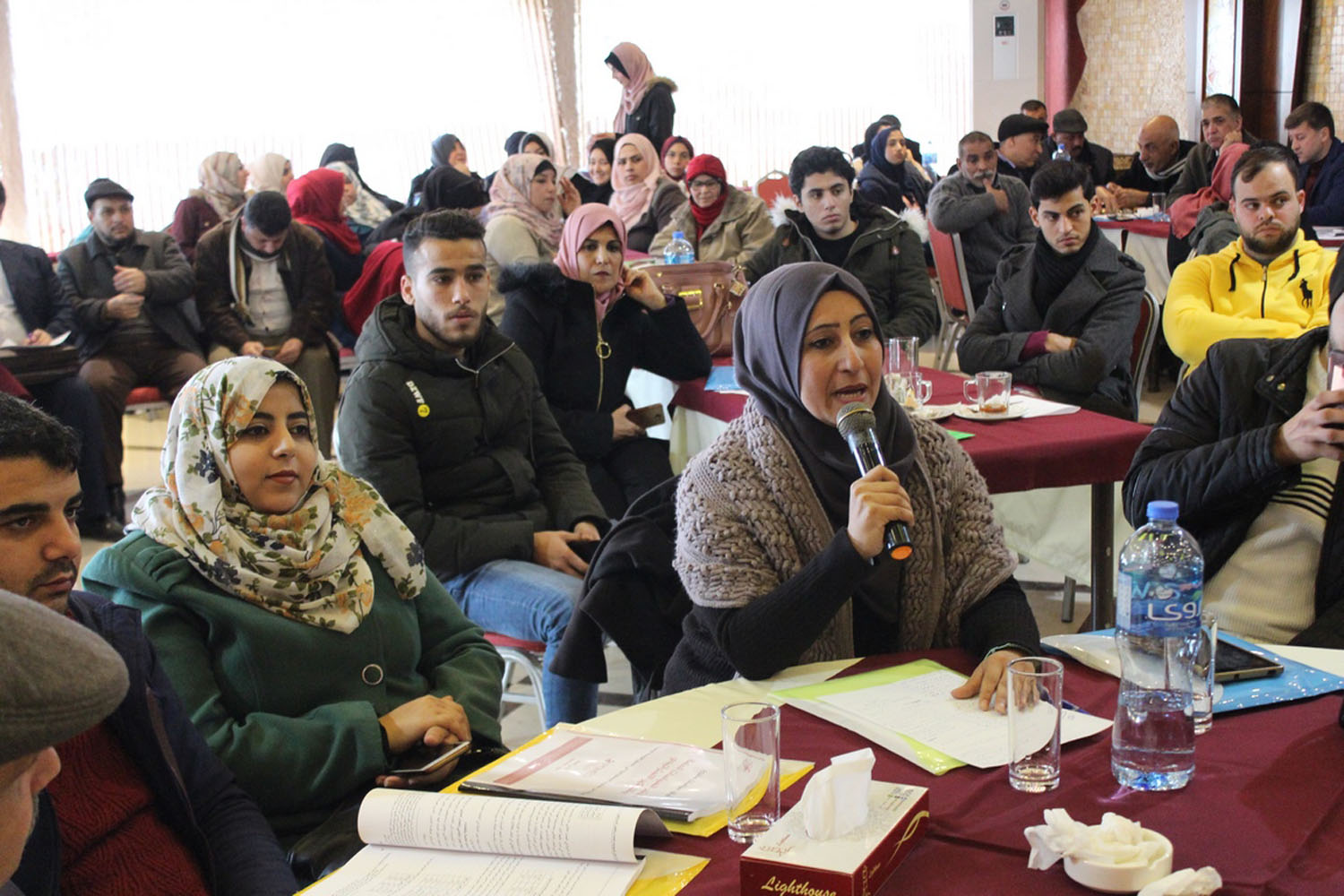
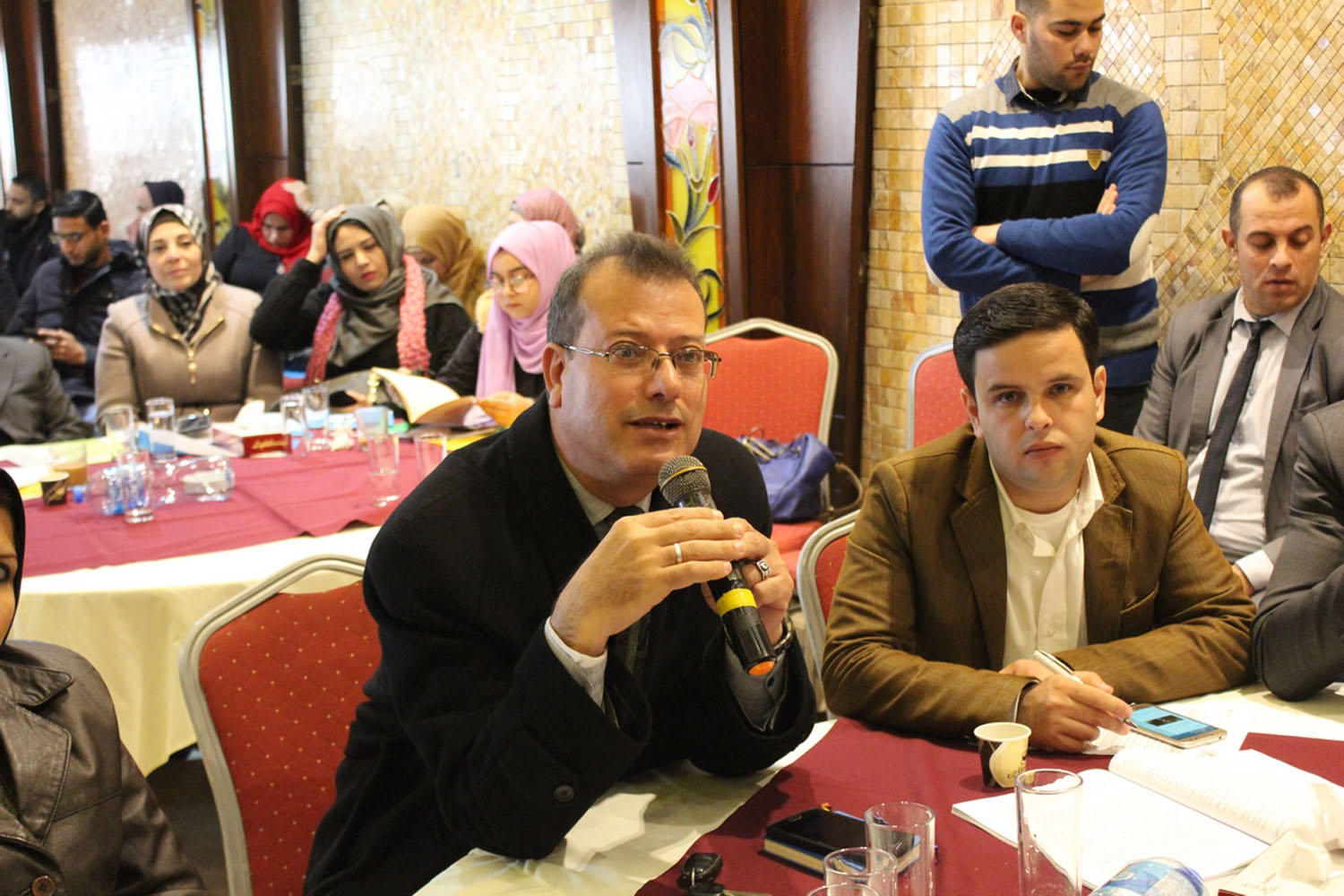
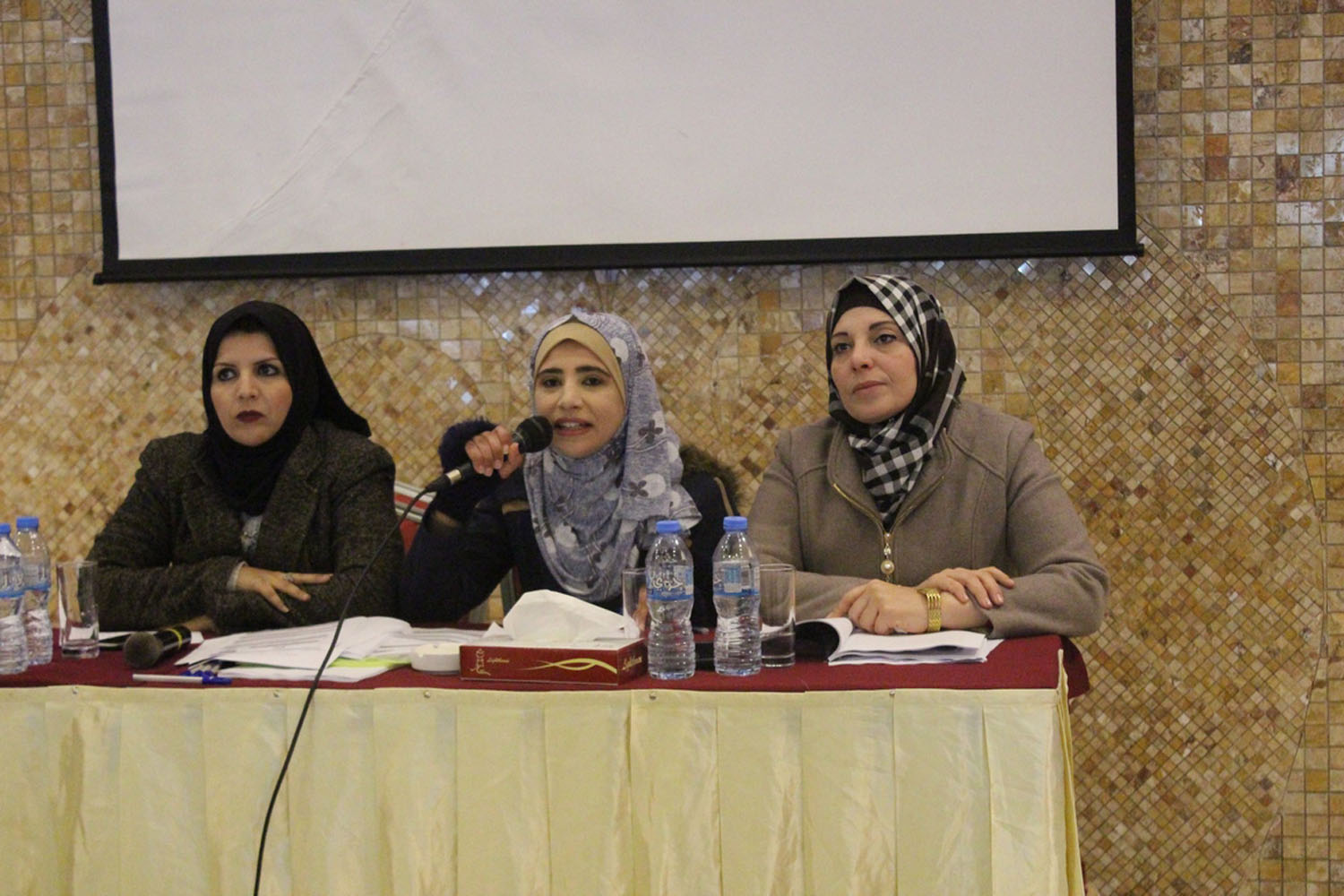
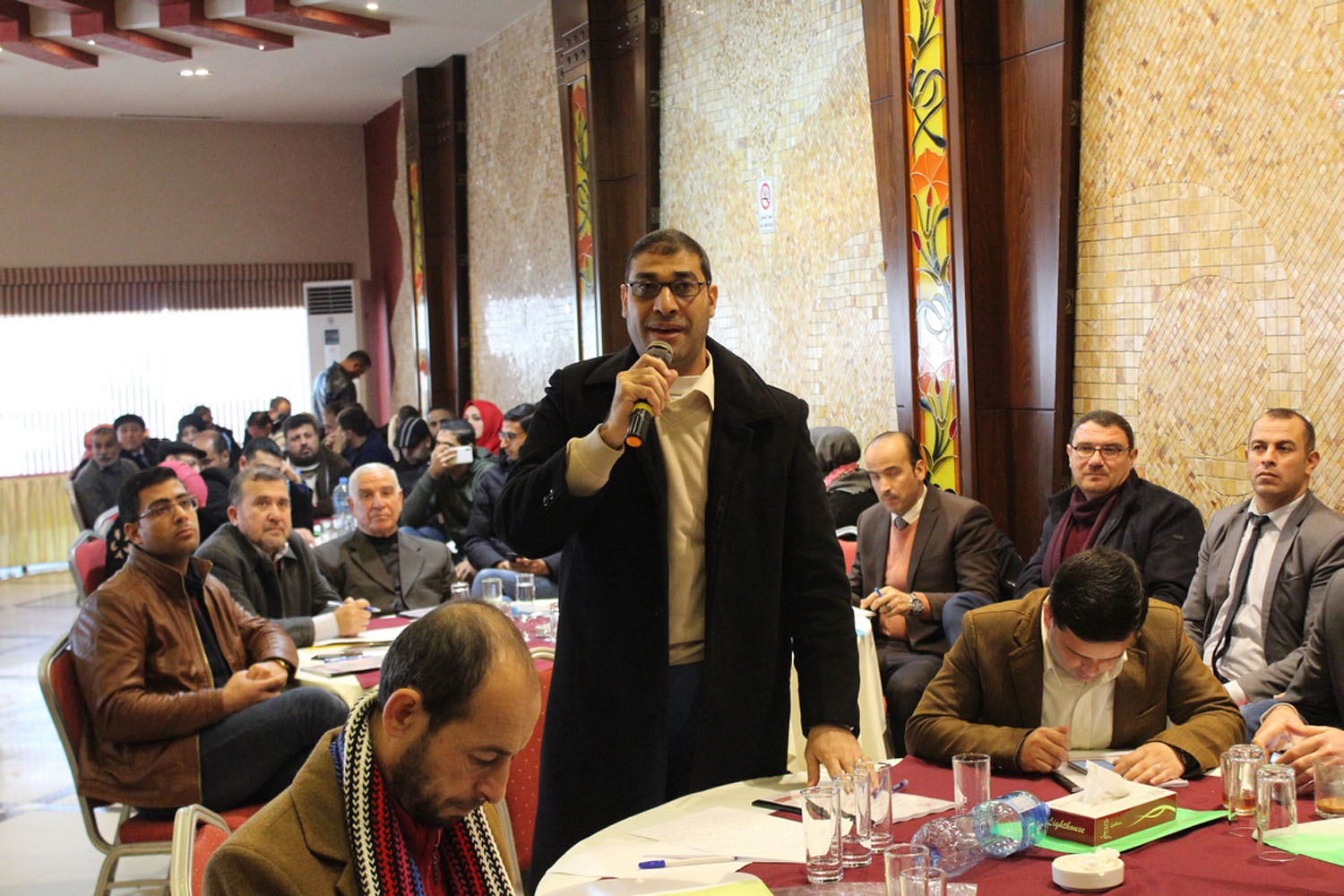
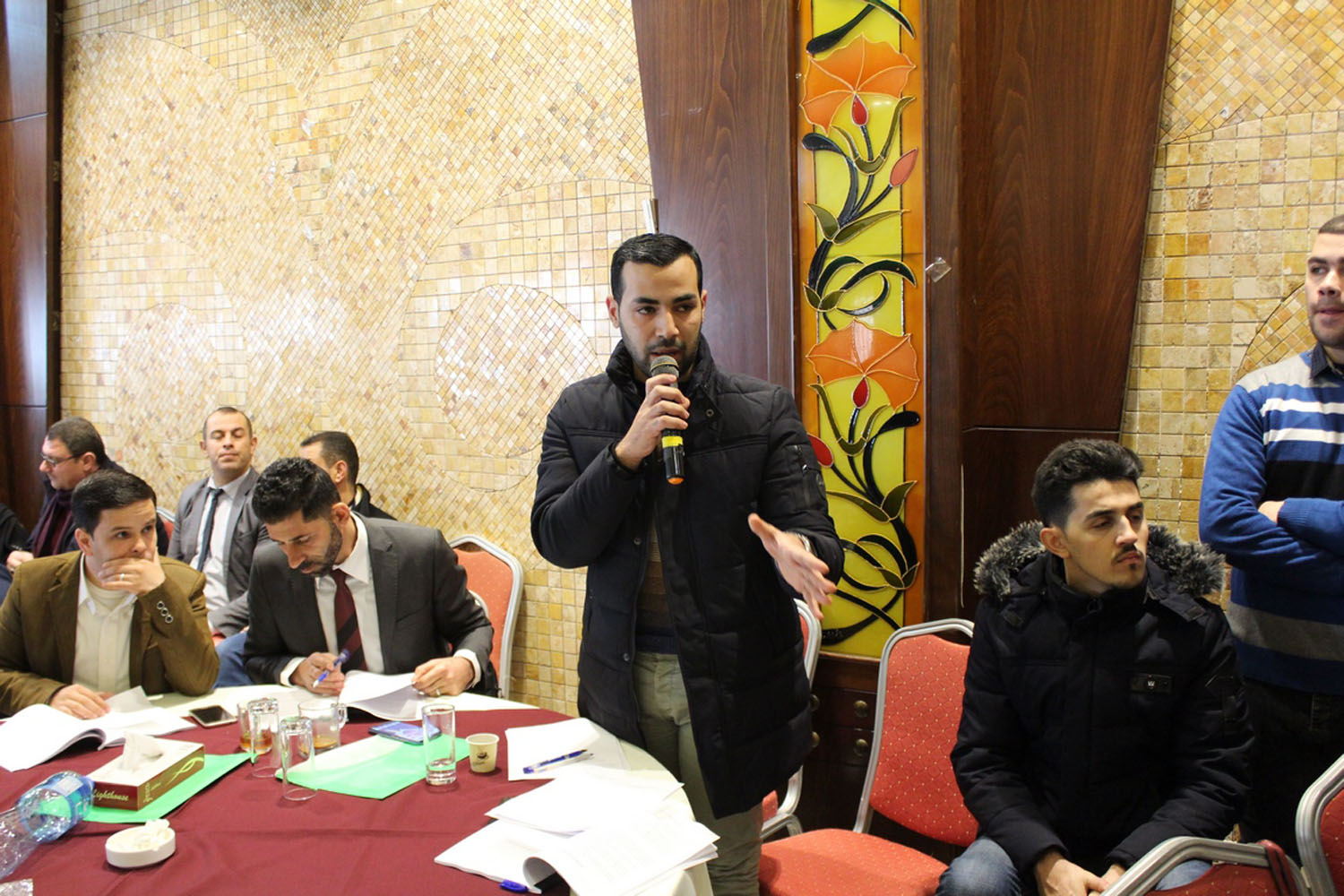
The attendees presented their recommendations and constructive criticisms to the researchers, and praised “Pal-Think's” efforts in supporting communal development and its investment in youth.
The conference was concluded by Ms Heba al-Danaf and Mr Yahya Qaoud with the presentation of the recommendations, and they said: “There is nothing in the Palestinian universities called the science of public policy, and it is to Pal-Think's credit that it spreads this science among the universities' graduates. These policy papers are the fruit of six consecutive months of work, in which the male and female researchers presented every possible effort. Producing these papers was no easy matter, especially as it is their first experience.”
It is recalled that 15 workers in civil society institutions joined the project “The laboratory of public policy and strategic thinking”, which extended for six months, during which they were trained in writing and analysing policy papers, the skills of critical thinking, and creative writing. This comes within “Pal-Think's” efforts, continuous since 2007, in partnership with international institutions, in strengthening Palestinian youth and equipping them with the instruments of scientific research to domesticate the development process.