Pal-Think continues its «Youth Dialogue» programme
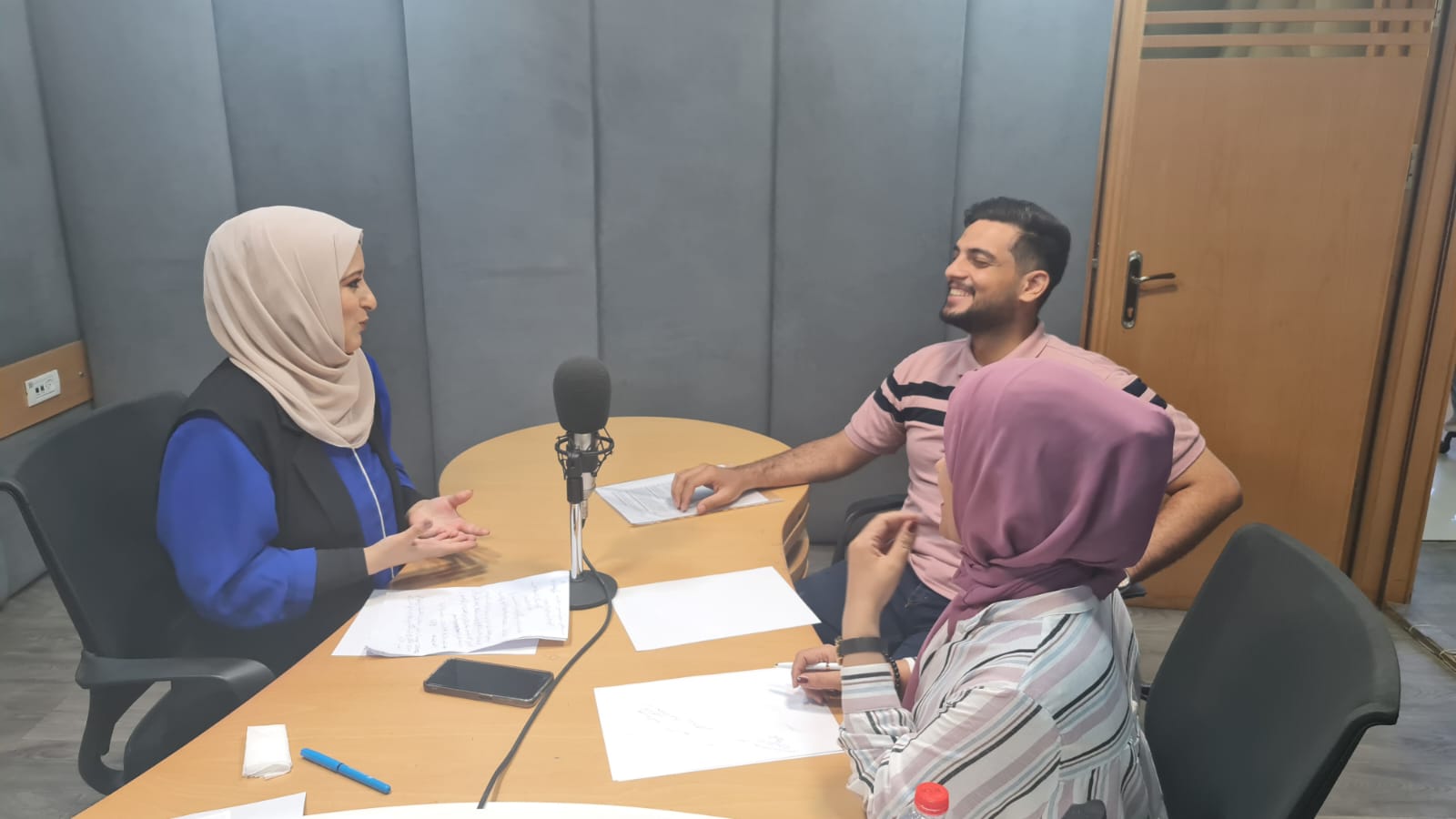
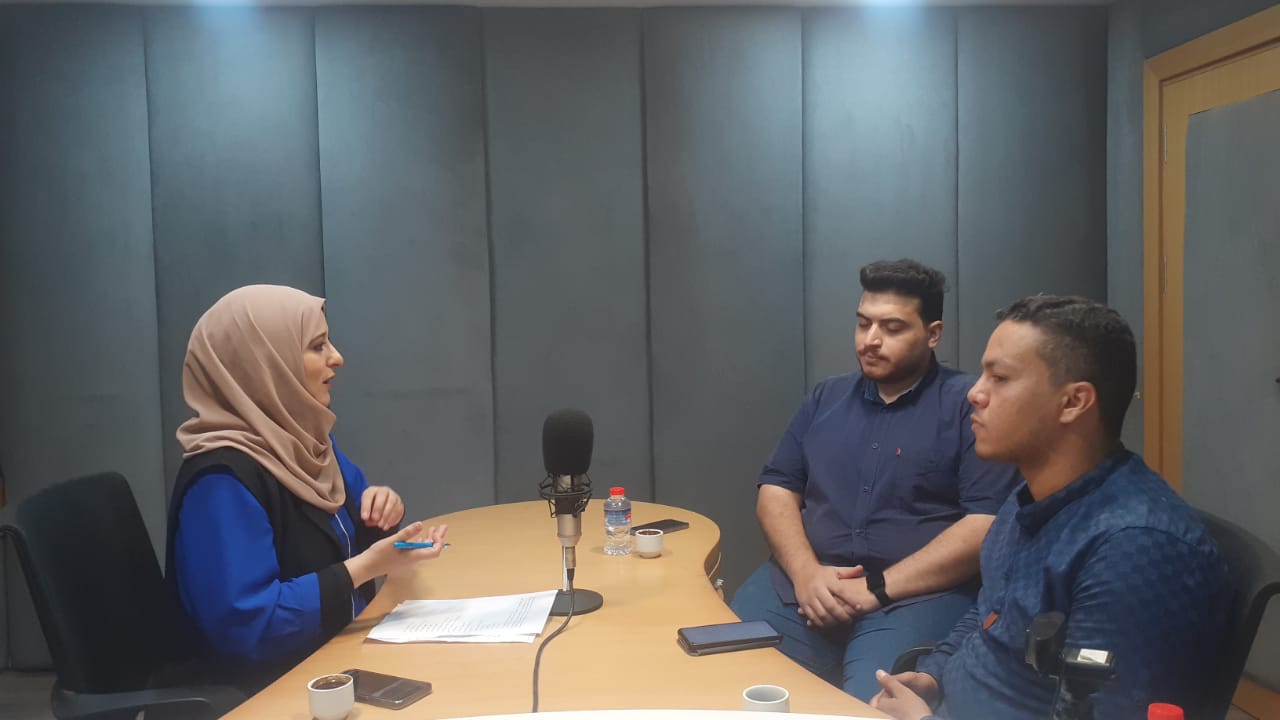
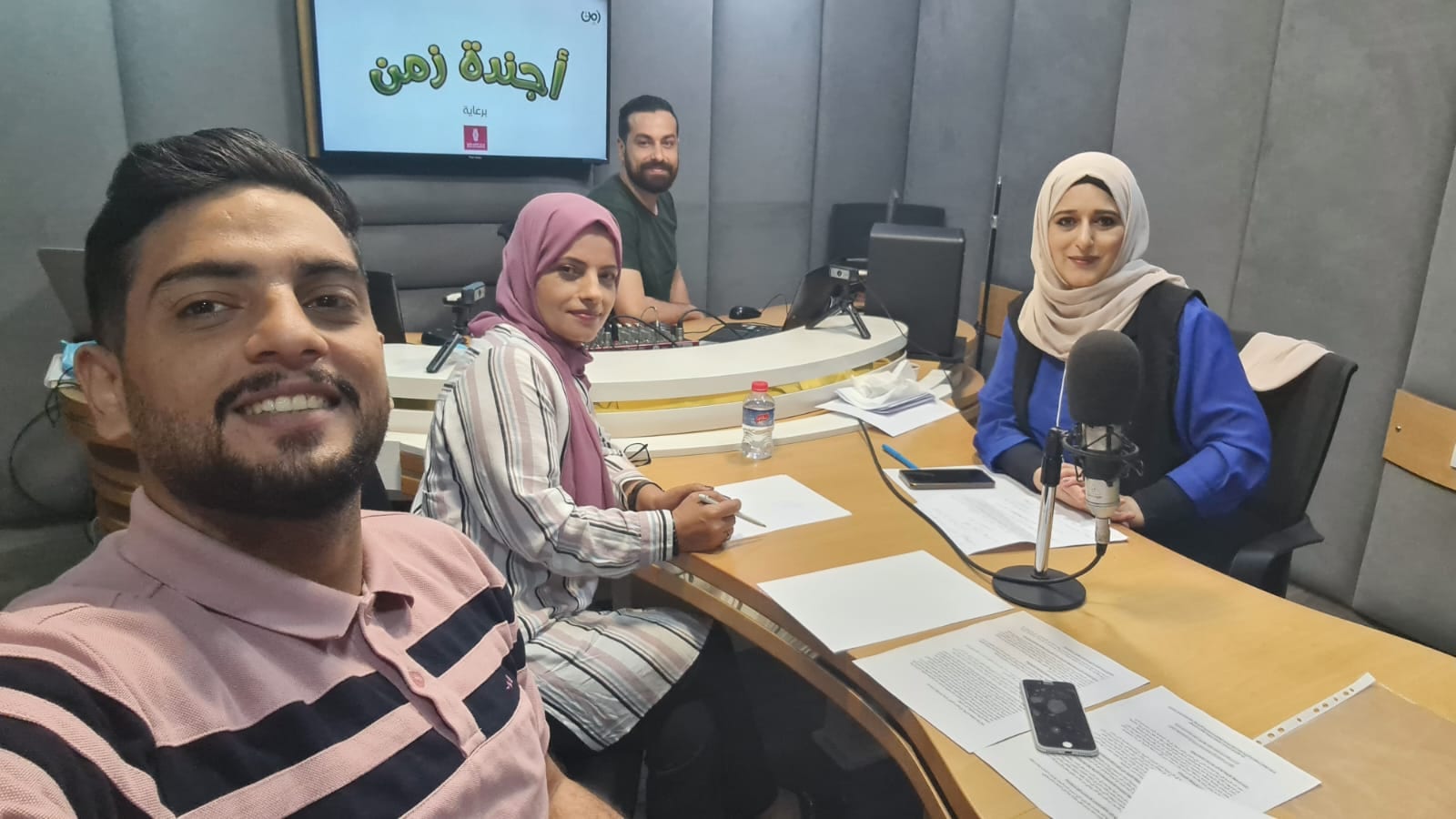
Pal-Think continued its «Youth Dialogue» radio programme, where young people debate different ideas and views to widen mutual understanding of community issues, under the «Preparing Young Leaders» project.
Pal-Think for Strategic Studies continued its radio programme “Youth Dialogue”, in which young people discuss different ideas and views through debates and dialogues to widen mutual understanding on community issues — within the project “Preparing Young Leaders”, which aims to build young leaders in Palestinian society, develop their capacities toward the society's development and progress, and enable them to play their part in decision-making.
In the programme's sixth episode on the local Zaman radio, titled “The prevailing paternal culture in Palestinian society”, the guests were youth activist Abdullah al-Baba, a graduate of Pal-Think's “Preparing Young Leaders” programme, and Dr Khitam Abu Ouda, researcher in the humanities.
Al-Baba spoke about the debates and his experience learning and applying them as a means of dialogue among youth; he also addressed paternal authority and its effect on the building of personality, the negatives of paternal authority in the era of development and the artificial-intelligence generation, the obstacles facing youth under paternal authority, and the challenges of bringing the generations together and averting collision between parents and children.
Dr Abu Ouda spoke about the concept of patriarchy, the emergence of the patriarchal society and its link to the male-dominated society, its effect on the individual's life, and the positives of parents' involvement in their children's decisions.
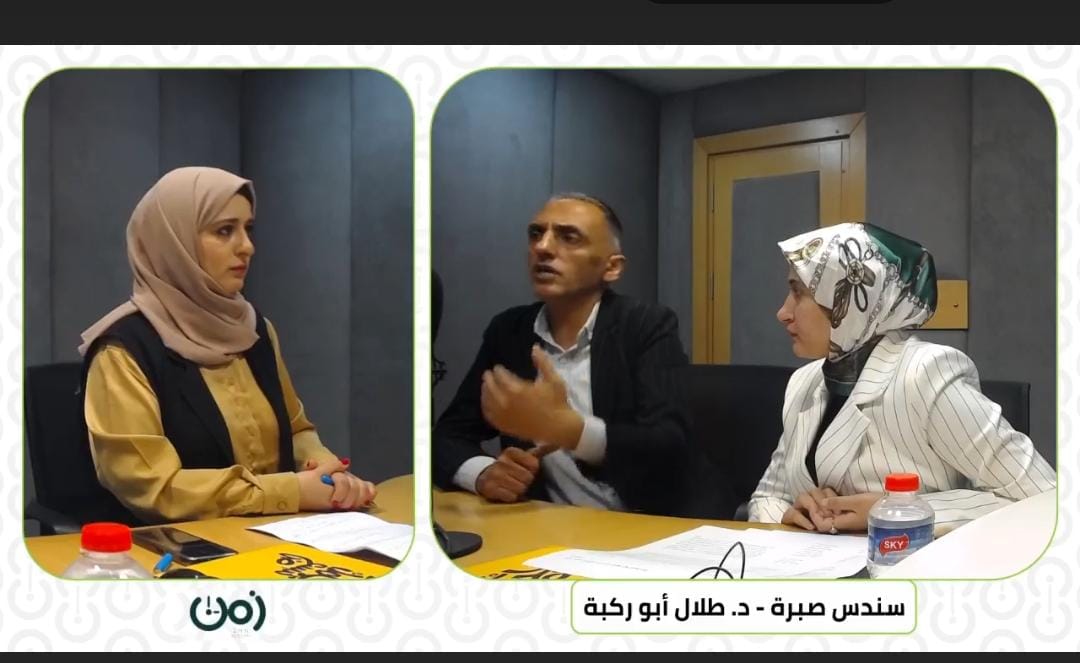
In the seventh episode, titled “Palestinian youth's awareness of the Palestinian narrative”, the guests were youth activist Sundus Sabra, a graduate of the “Preparing Young Leaders” programme, and Dr Talal Abu Rokba, researcher in political affairs.
Sabra spoke about the young-leaders programme, her experience, and the most important outcomes she took from it as a beneficiary, and how learning the art of debate positively shaped her discussion of any issue that concerns Palestinian youth. She also touched on the most important topics she debated concerning the Palestinian narrative — speaking of the youth's role in strengthening the Palestinian narrative, the youth vision that supports that narrative, and the steps and challenges young people may face in supporting the Palestinian narrative.
For his part, Dr Abu Rokba spoke of the importance of implementing programmes targeting the youth toward supporting the Palestinian cause and narrative, and of the stages the Palestinian cause has passed through and their effect on the Palestinian narrative. The two guests discussed the importance of social-media platforms in the strength of the Palestinian narrative, the youth's role in supporting it, and the importance of young people's awareness of the Palestinian cause as one of the paths to unity and ending the division.
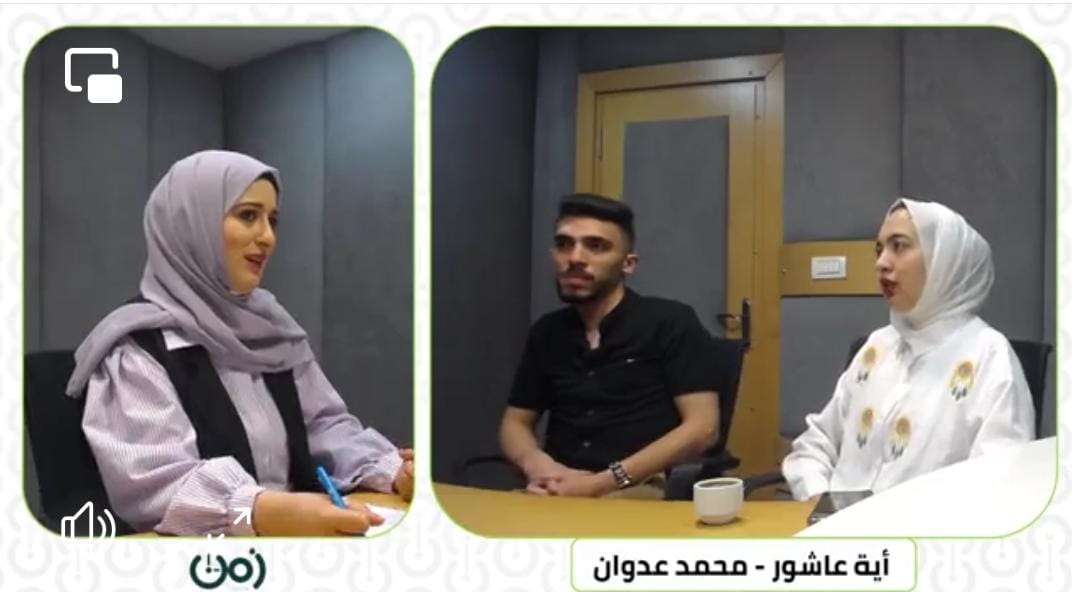
In the eighth episode, titled “Gender justice”, youth activists Aya Ashour and Mohammed Adwan took part. The two guests spoke about the debating experience and its reflection on their university lives, and about their understanding and learning of the language of dialogue and acceptance of the other through the training, along with the exchange of ideas and differences in ways of life. The guests then spoke about the concept of gender justice, the effect of awareness of this concept, technology's role in spreading the concept of gender justice, increasing its acceptance in society and breaking down all barriers, the difficulties of achieving gender justice, and the importance of achieving it to preserve the social fabric.
In the ninth episode, titled “The culture of dialogue and tolerance among youth”, the guests were youth activists Misbah Mukhaimar and al-Baraa al-Zayyan of the Preparing Young Leaders programme. They spoke of their participation in the programme and the youth debates and the programme's effect on them, and of the importance of taking dialogue as the means of discussion at work, at home, and at university. They also addressed tolerance as a value and a culture, how the generations learn the culture of dialogue and the pillars of entrenching it in societies, the role of educational institutions and the media in entrenching the culture of dialogue, and the rules of dialogue and their importance among peoples and within societies.
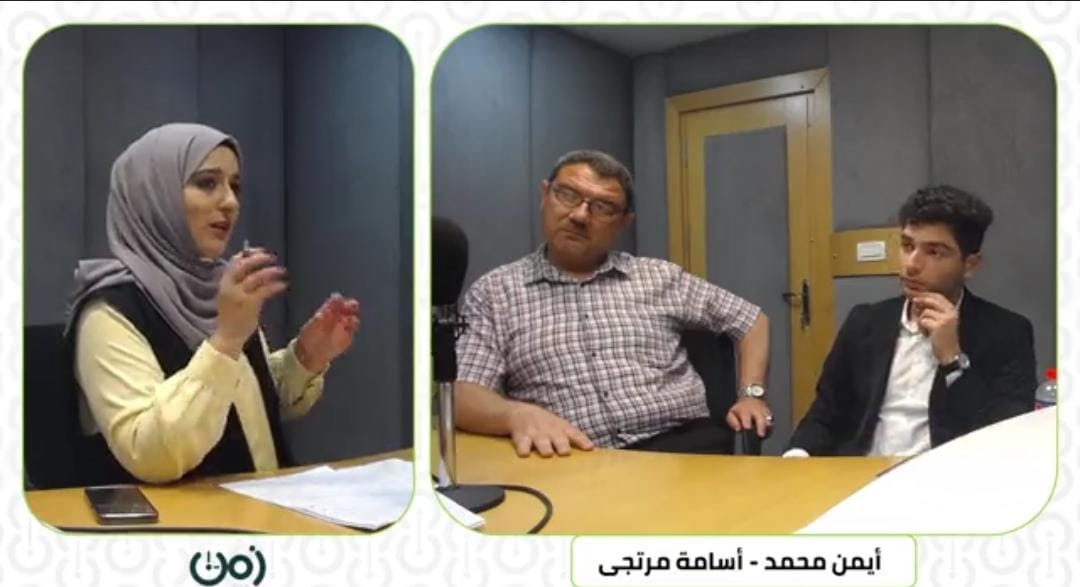
The tenth and final episode was titled “Community peace and the ways of achieving it”, hosting youth activist Ayman Mohammed of the Preparing Young Leaders programme and researcher and community activist Osama Murtaja. Mohammed spoke of what he gained from the “Preparing Young Leaders” programme in his dialogue and his way of thinking toward difference and accepting the other view, and continued on community peace and its foundations, and peace's effect on the individual and society.
For his part, Murtaja spoke of the threats to community peace, in addition to the ways of achieving community peace, its importance, and the necessity of achieving it to end the Palestinian division.