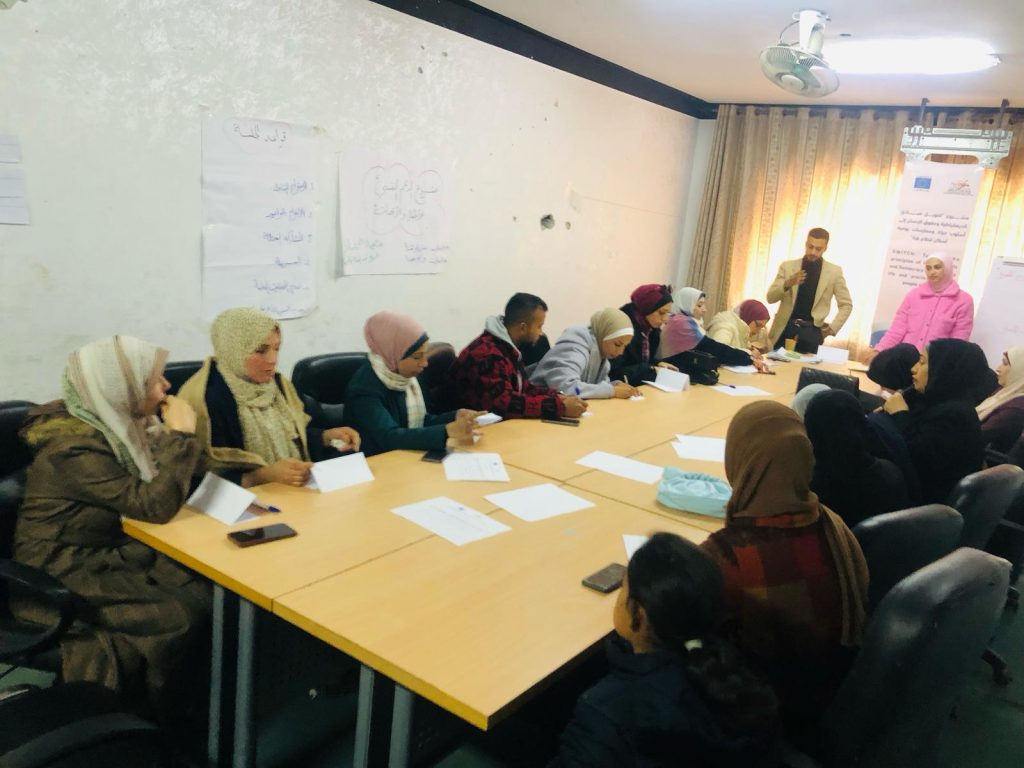
Pal-Think runs workshops on human-rights and democracy practices across the Gaza Strip governorates
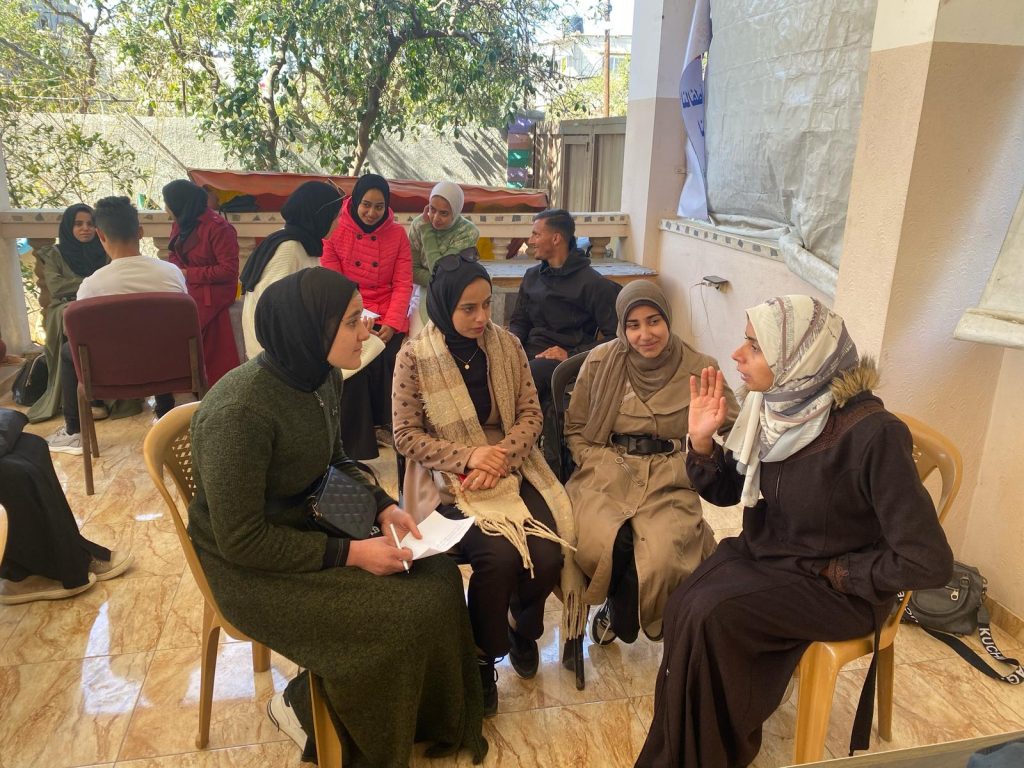
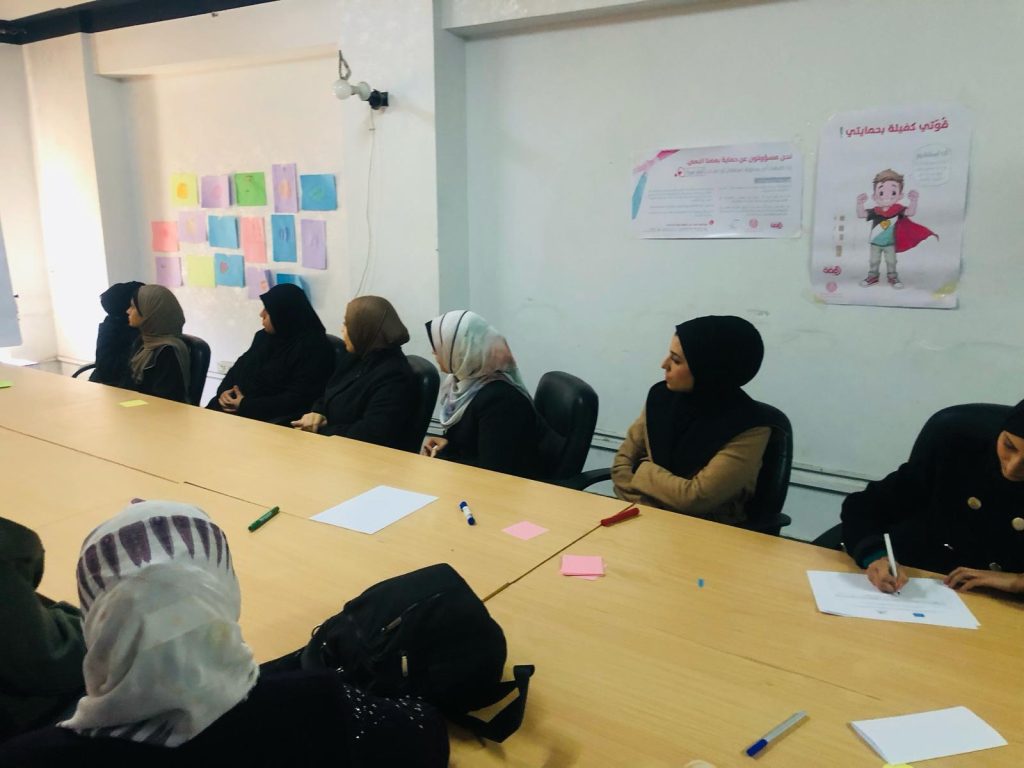
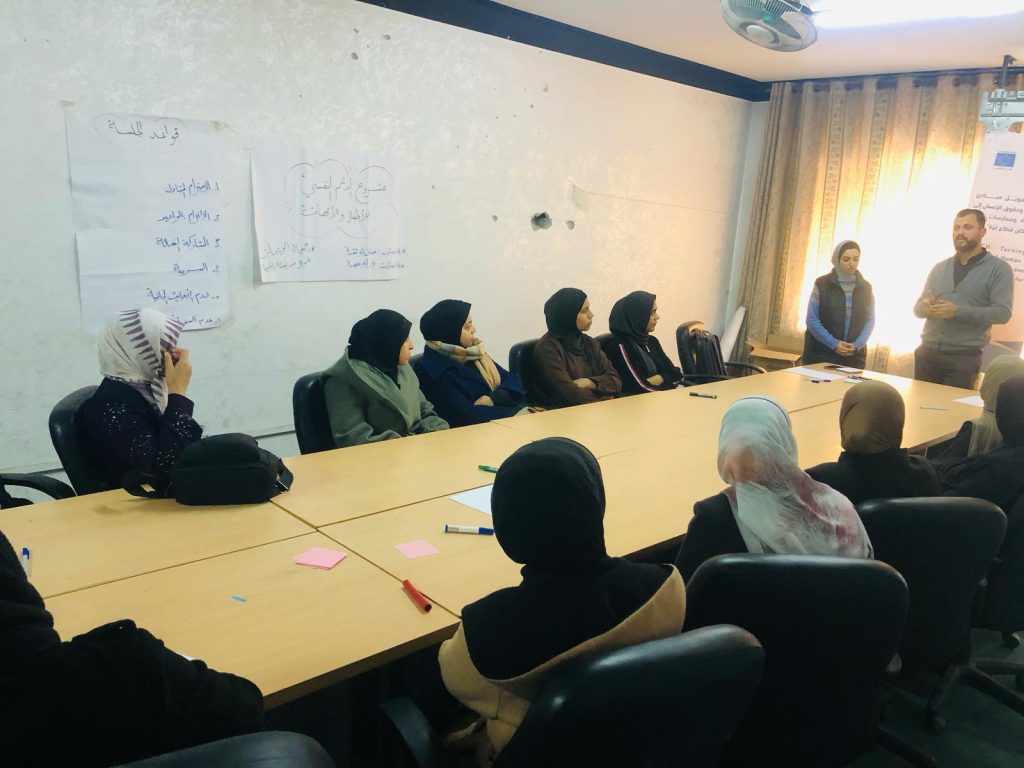
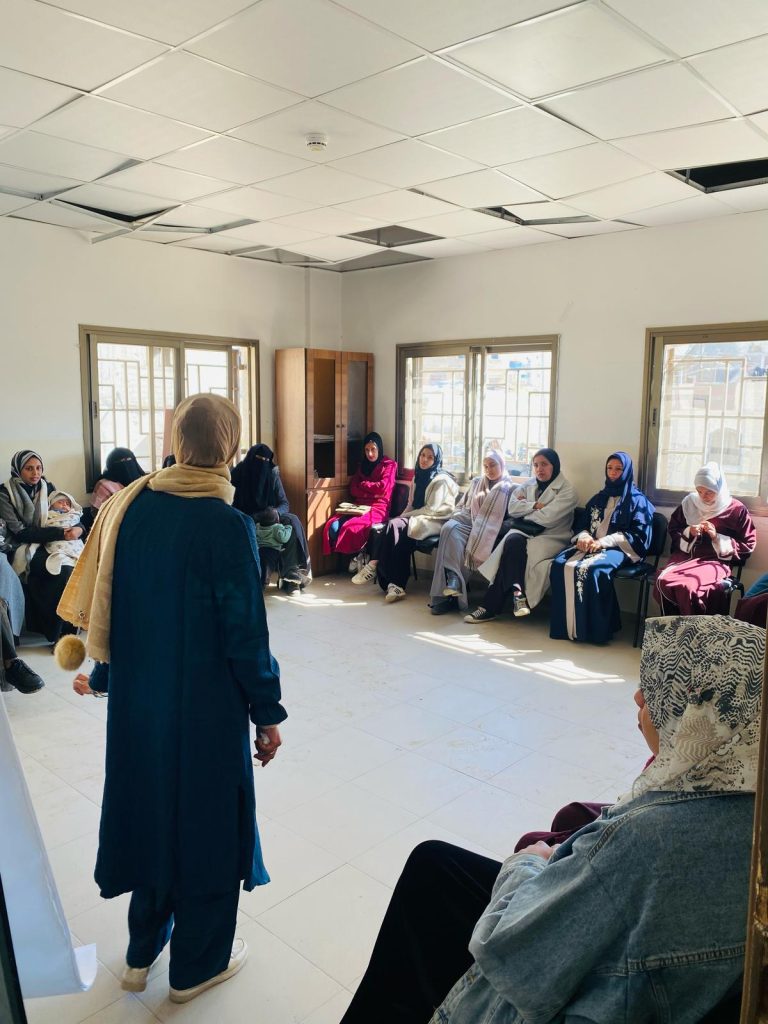
Continuing its work preparing young people for a constructive role in their society, Pal-Think delivered several workshops on human-rights and democratic practice under the EU-funded SWITCH project.
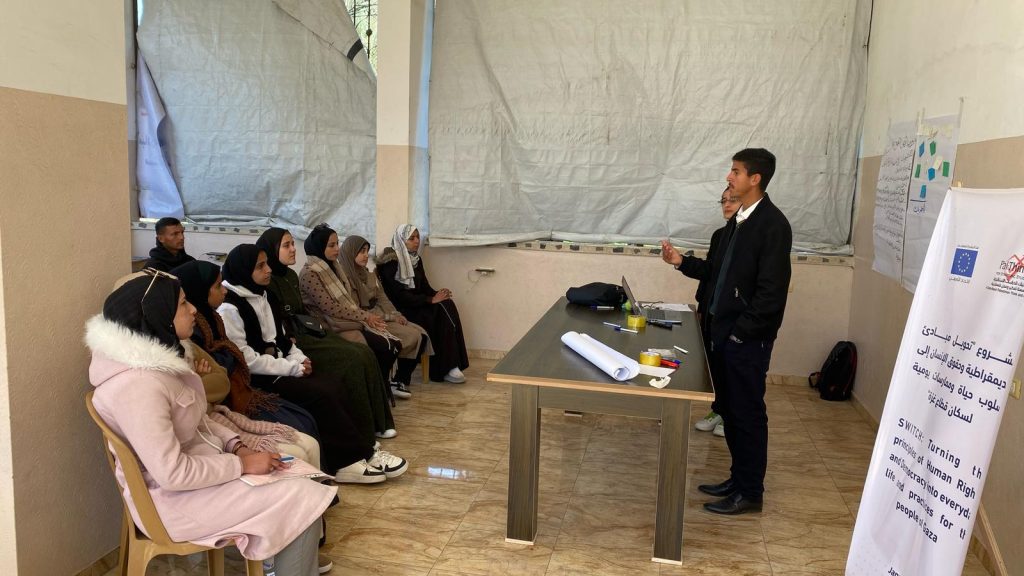
Continuing Pal-Think for Strategic Studies' efforts to prepare young people to lead a constructive role in their community, Pal-Think delivered several workshops on the practices of human rights and democracy, under the project “SWITCH: turning the principles of human rights and democracy into daily practices for the residents of the Gaza Strip”, in cooperation with the European Union.
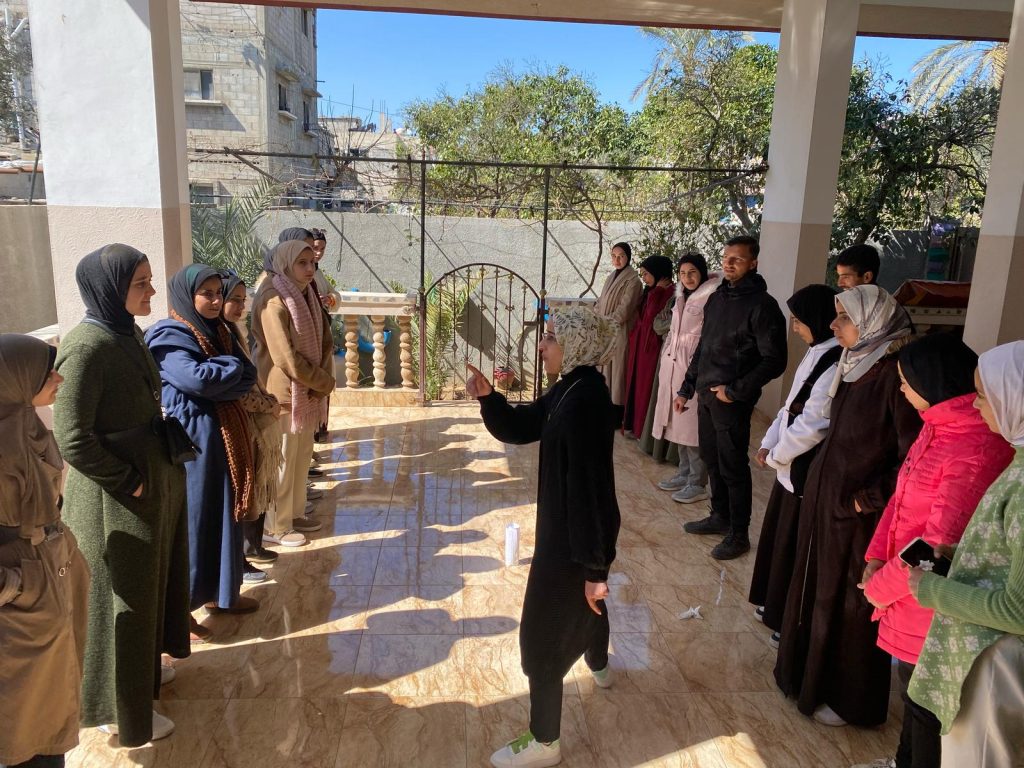
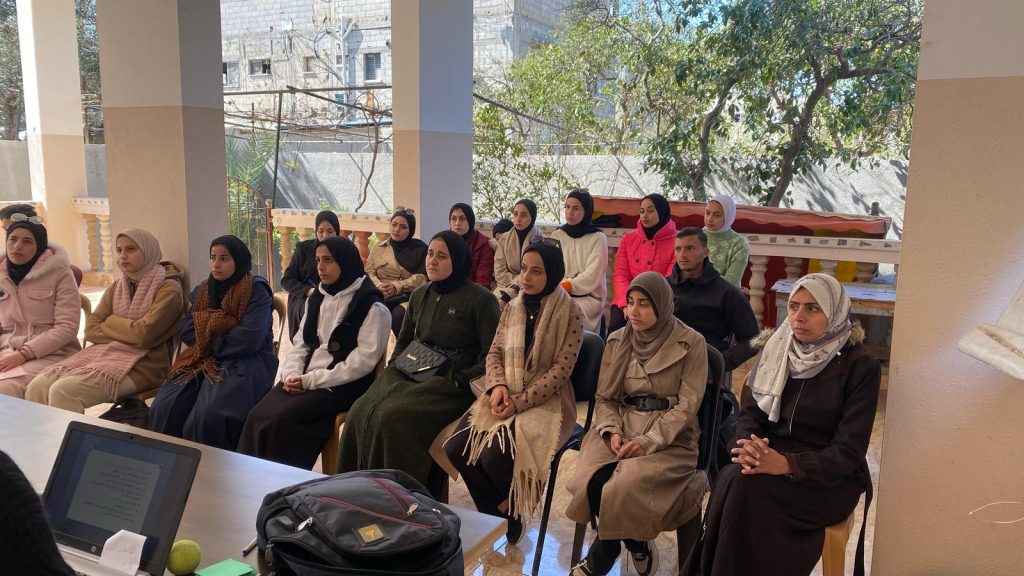
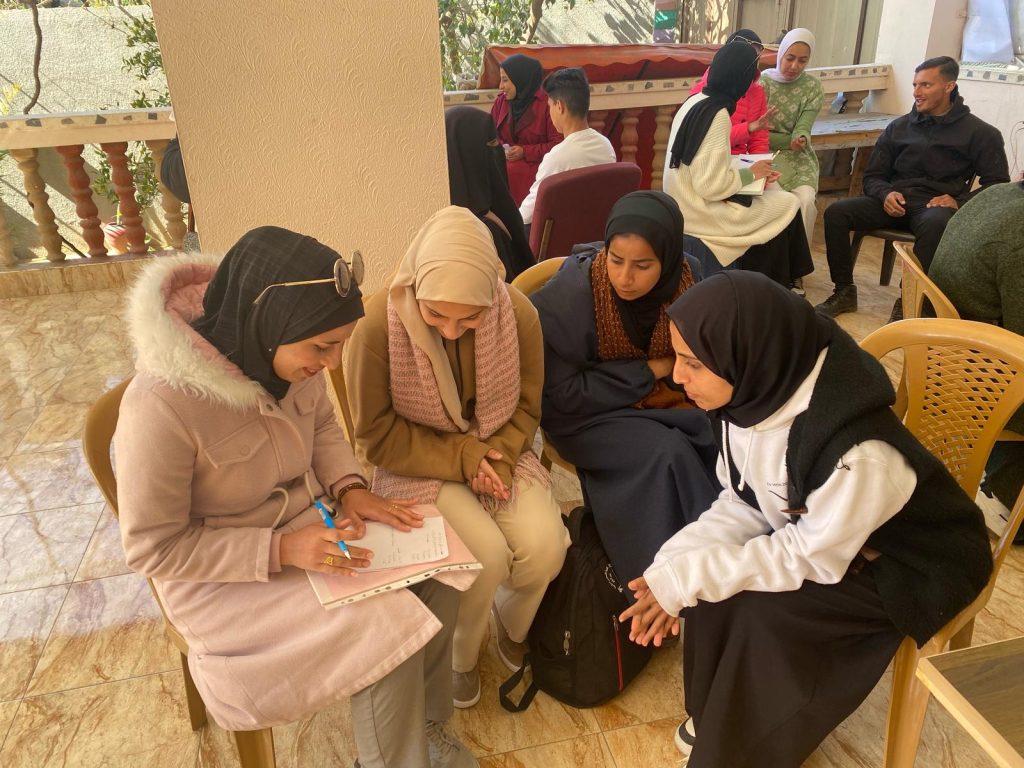
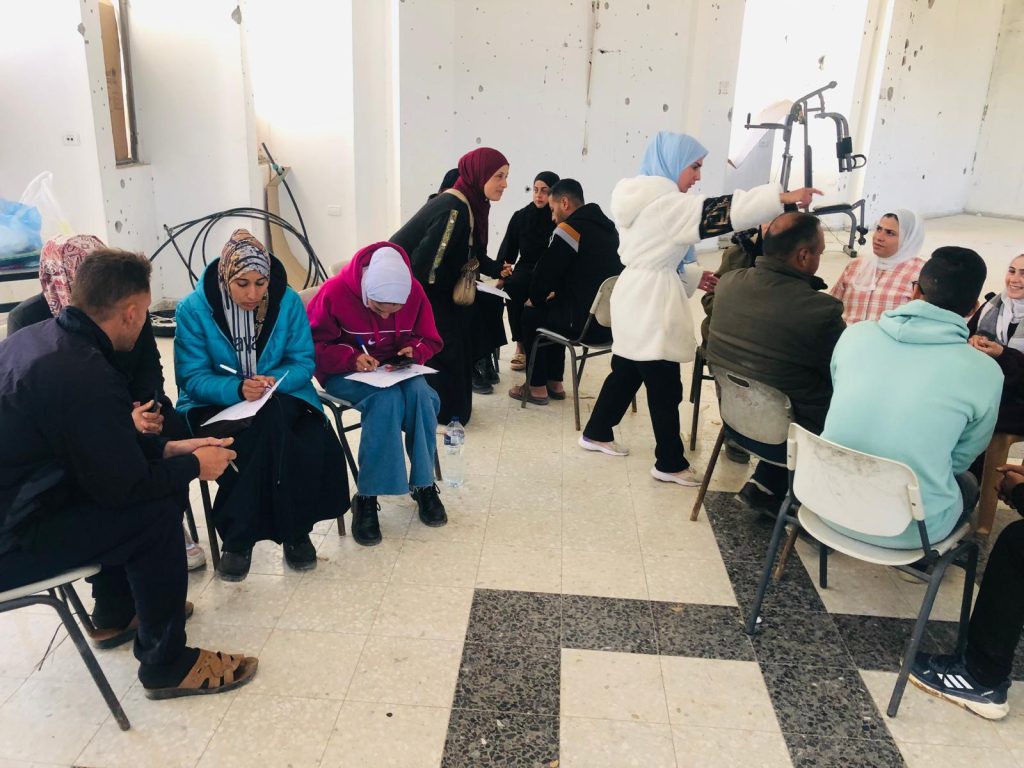
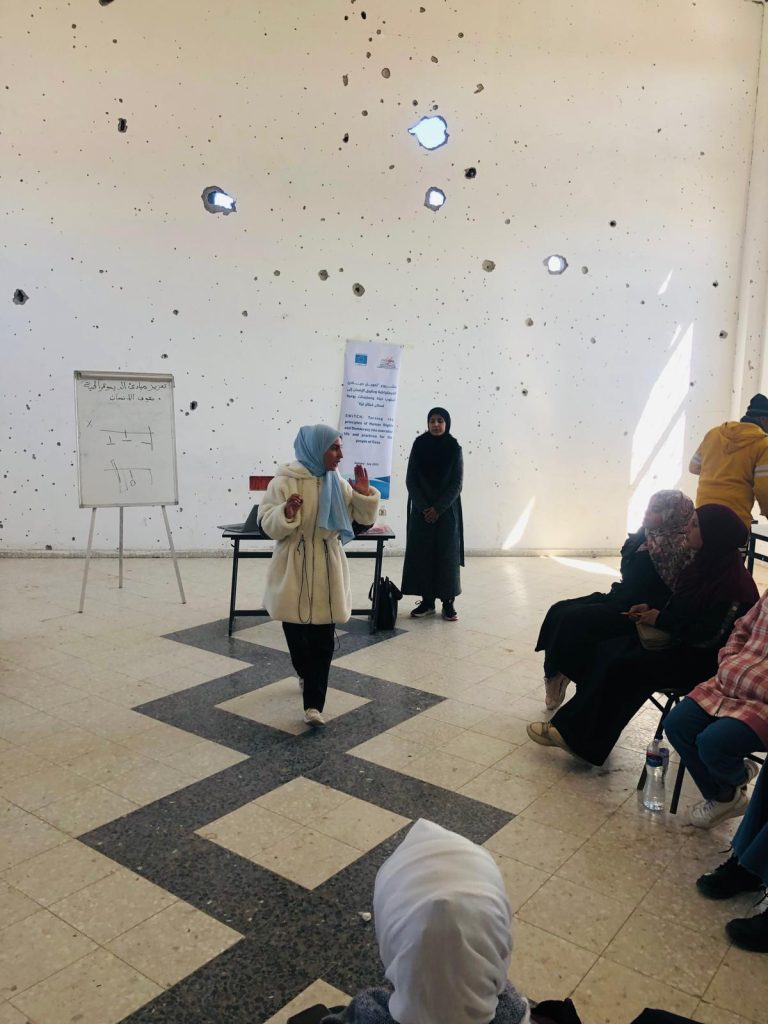
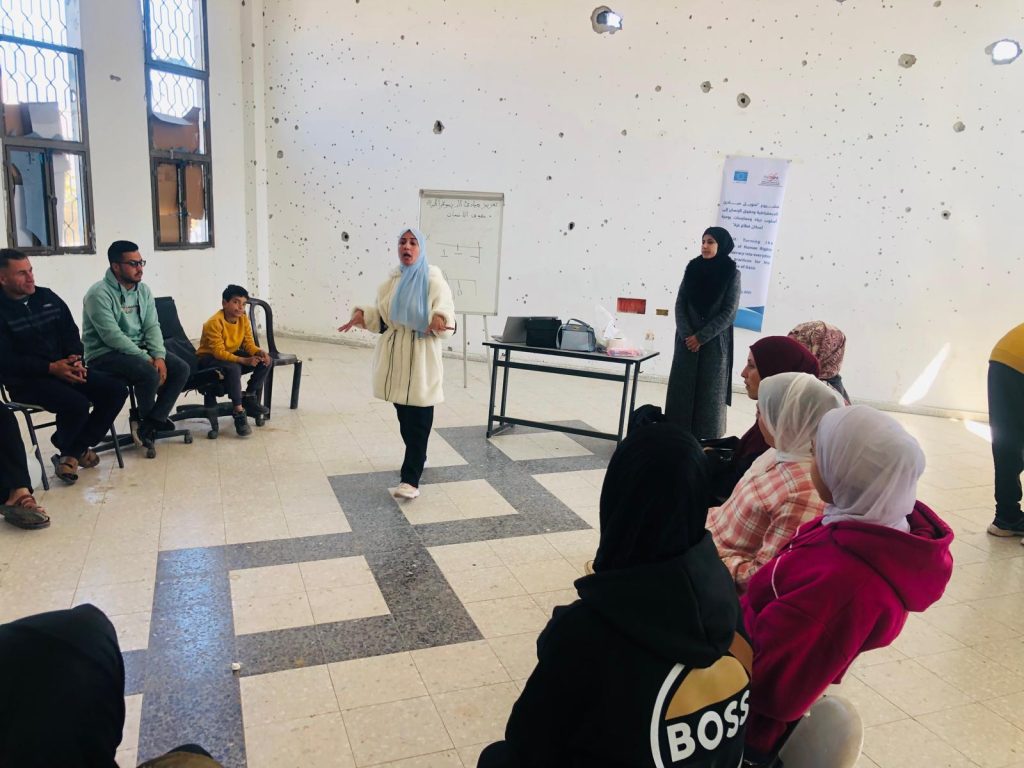
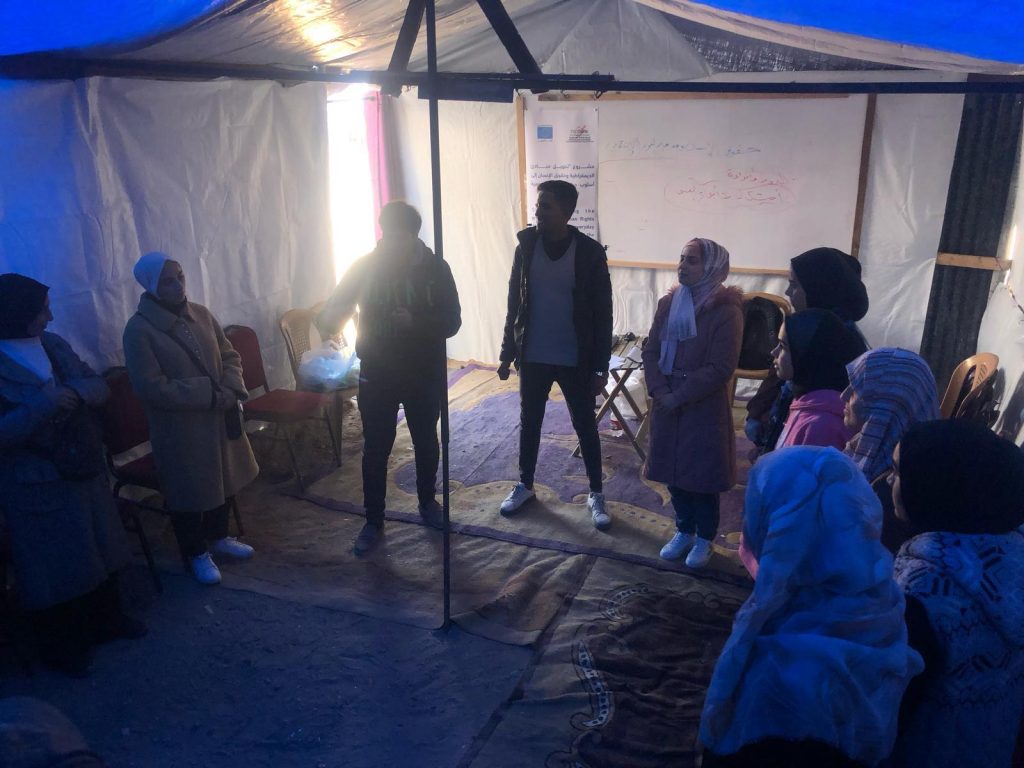
A group of young men and women — graduates of the training programme “Preparing a trainer in democracy and human rights” — delivered the workshops as trainers, passing on the knowledge and information they gained in the programme to other youth groups in different areas of the Gaza Strip.
52 young men and women had earlier joined the programme with the aim of strengthening their capacity to spread the concepts of democracy and human rights and the mechanisms for turning these concepts and principles into practices among citizens — working toward realising democracy practically and continuously.
The young trainers set off delivering the workshops in partnership with civil-society institutions in the areas of Khan Younis, the Middle Area, Gaza, and the northern areas.
At the Graduates Association in Gaza City, the trainers Mahmoud al-Khatib and Iman Omar delivered a workshop titled “The right to self-determination as one of the fundamental principles of international law” and its role in empowering peoples, discussing different experiences across history.
The trainers Ward Murad and Iman Omar also delivered a workshop titled “Democracy, human rights, and the role of community participation” and the strategies for activating the role of youth and graduates in supporting democracy.
At the Al-Ferdaws Association for the Development of Women and Children, in the Middle Area, the trainers Deifallah al-Akhras and Nariman Fayyad delivered a workshop titled “Human rights according to the international conventions and local legislation” and the role of civil-society institutions in protecting and strengthening human rights at the local level.
At the Beit al-Mustaqbal Charitable Association in Khan Younis, the trainees Nihal al-Najjar and Reem Abu Arab delivered a workshop on “The importance of gender in achieving equality and social justice” and the international laws that support that equality, in addition to the challenges facing the citizen in the Gaza Strip in the same context.
In the north, at the Beit Lahia Youth Club Association, the trainees Dina al-Rahal and Tasneem Qahman delivered a workshop titled “Strengthening democracy and human rights through a gender lens” and reinforcing the culture of human rights by adopting the values of pluralism, participation, and community responsibility.
Also in the north, at the Al-Nahda Association for Development, the trainers Nariman Saleh and Fadi Nasr delivered a workshop titled “The fundamental principles of human rights and the mechanisms for turning them into daily practices”, discussing the effect of social roles on the individual and society.
These workshops met positive engagement among the attending youth, who showed their interest in the issues of human rights and freedoms — especially after they and their society endured the war of extermination in the Gaza Strip, which stood as an example of every violation of human rights and freedoms, and among the starkest challenges Palestinian society has faced. The young people expressed their determination to learn and spread the concepts of democracy in their community to guarantee sustainable development.
These workshops are still continuing, in partnership with civil-society institutions and targeting youth in all governorates, to spread awareness of democracy and human rights toward achieving community stability.