Lecture: Entrepreneurship and information technology
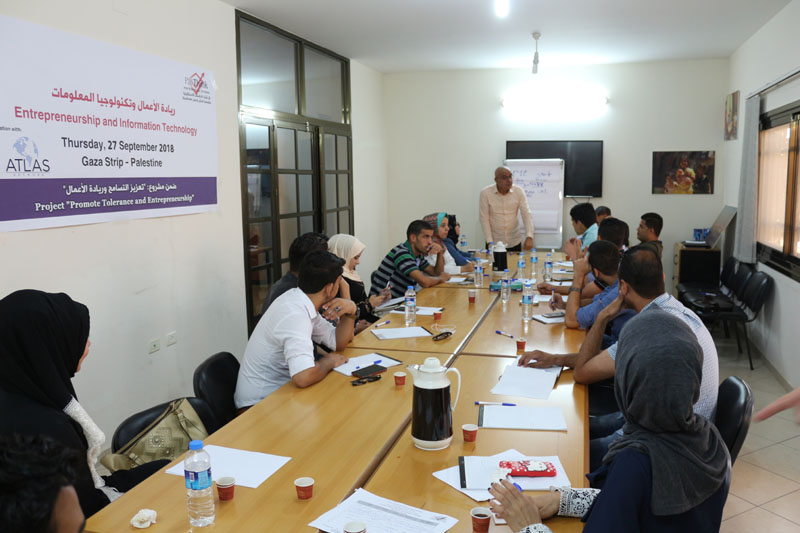
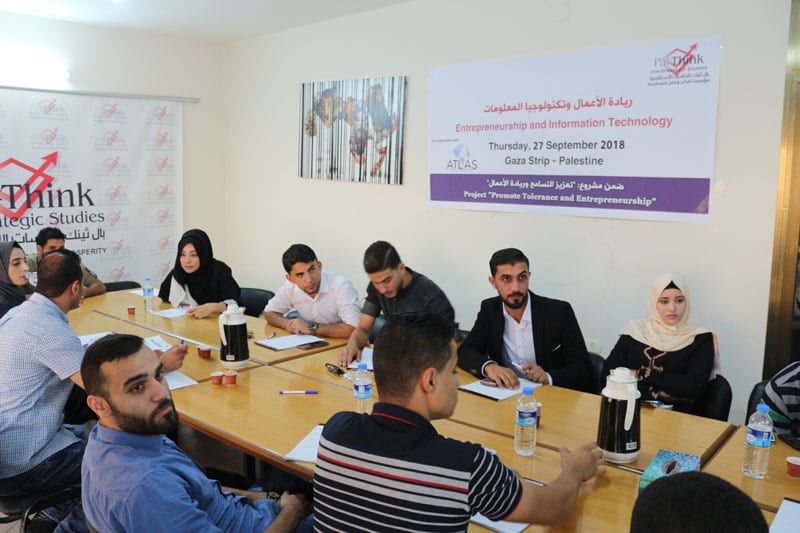
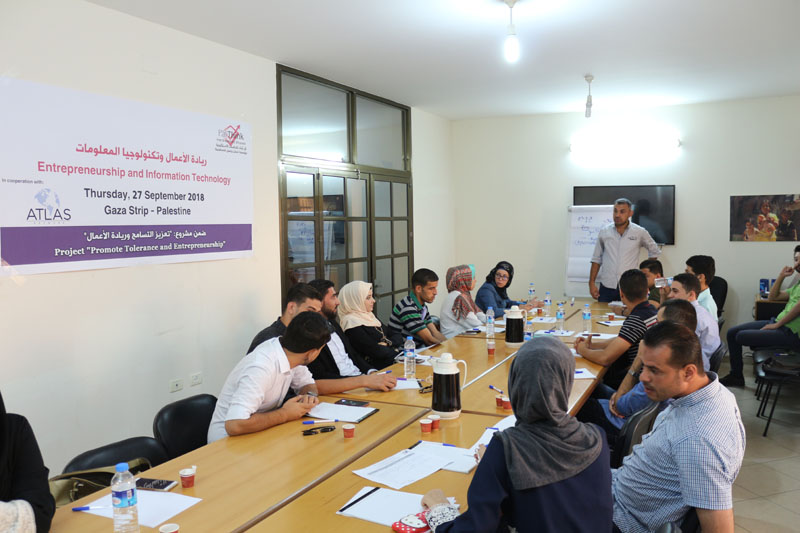
Pal-Think held the lecture «Entrepreneurship and information technology» for 20 students and graduates across Gaza's specialisms, under the tolerance-and-entrepreneurship project.
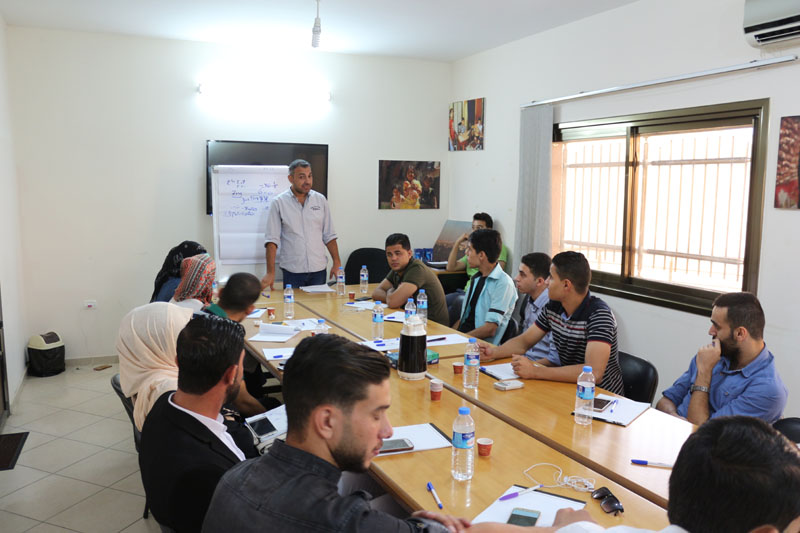
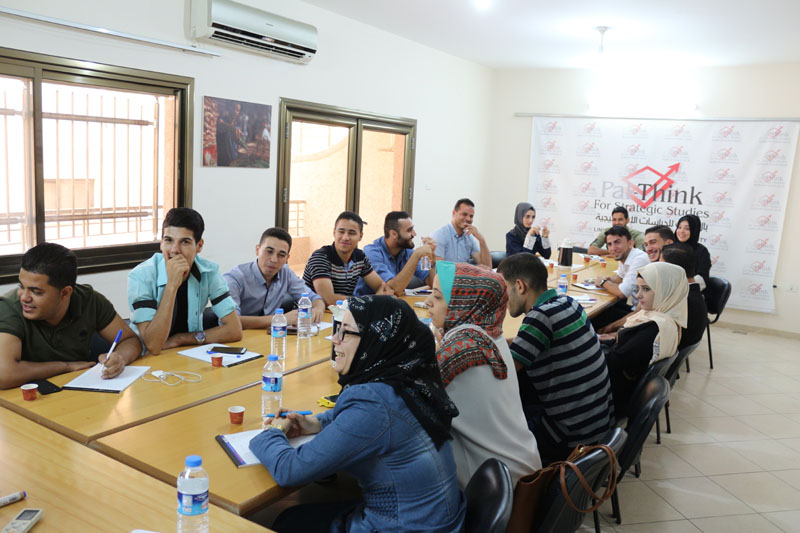
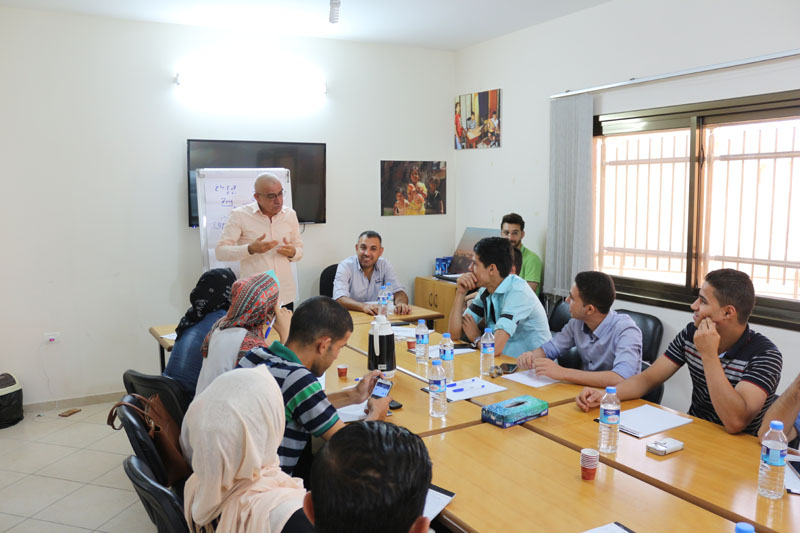
The Pal-Think for Strategic Studies institution organised a lecture titled “Entrepreneurship and information technology”, with the attendance of 20 of the university students and graduates in the Gaza Strip of both sexes and various specialisations. This lecture comes in the frame of the project “Strengthening the culture of tolerance and entrepreneurship” in cooperation with the Atlas Network, as this project aims at strengthening the culture of tolerance, entrepreneurship, and free work among the youth in the Gaza Strip.
The lecturer and entrepreneurial researcher Mr Islam Atallah took up several different subjects concerned with the new technological affair and the contemporary digital revolution in the world, among them defining the world of Big Data — a collection of data in the electronic space, the raw form of information before the operations of sorting and ordering, which cannot be benefited from in its initial form before processing. That data is distinguished by complexity and by a size that exceeds the capacity of the traditional tools to analyse and store it — and Data Mining, and the challenges facing the leading and new companies in databases, which is the capacity to conduct a scan of large quantities of data and combine those taken from several sources to reach a more comprehensive analysis that gives clear advantages hidden from no one. In addition, he touched on the stages of technological and cognitive development: it began when human knowledge doubled once every 500 years, and when man began writing things down human knowledge came to double once every 250 years, and today it doubles once every 12 years, and it is expected in the coming years to double every 12 hours — and you may imagine the size of data the human mind cannot grasp, and how development will become beyond the control of expectation and our incapacity as individuals to keep pace with it. That means, with the continued flow of big data and computing techniques, and the complexity of data and its analysis, in addition to the speed of the transformations and changes in the regions and the political climate — which affects the form, quality, and speed of information relating to all fields — especially as we have entered a stage of incapacity to analyse without the machine and technology in all fields, including politics and security. Whatever is said, in the public sphere and the circles of academics or decision-making, that it is possible to be content with describing events or analysing them and producing estimates about them, there will remain a real problem unless a solution is reached for the question of “prediction”: all think tanks realise — without sometimes deciding it — that if the research methods followed in them do not lead to approaching the prediction of the developments that may occur, their tasks in estimation may not be worthwhile. He also presented a comparison between progress in the Arab states and the other advanced states.
The lecturer likewise pointed out that every entrepreneurial project begins with an idea, and the idea must carry new or developed knowledge through which certain problems are solved, through its presenting the services and tools necessary for solving the problems; he also touched on the qualities of the optimal entrepreneur in the economic and technological market, and how newly-founded technology companies are funded.
At the lecture's end, Mr Atallah affirmed that the world has moved from quantitative disparity to qualitative disparity, and information/technique has become the fundamental source of superiority, for individuals and societies.