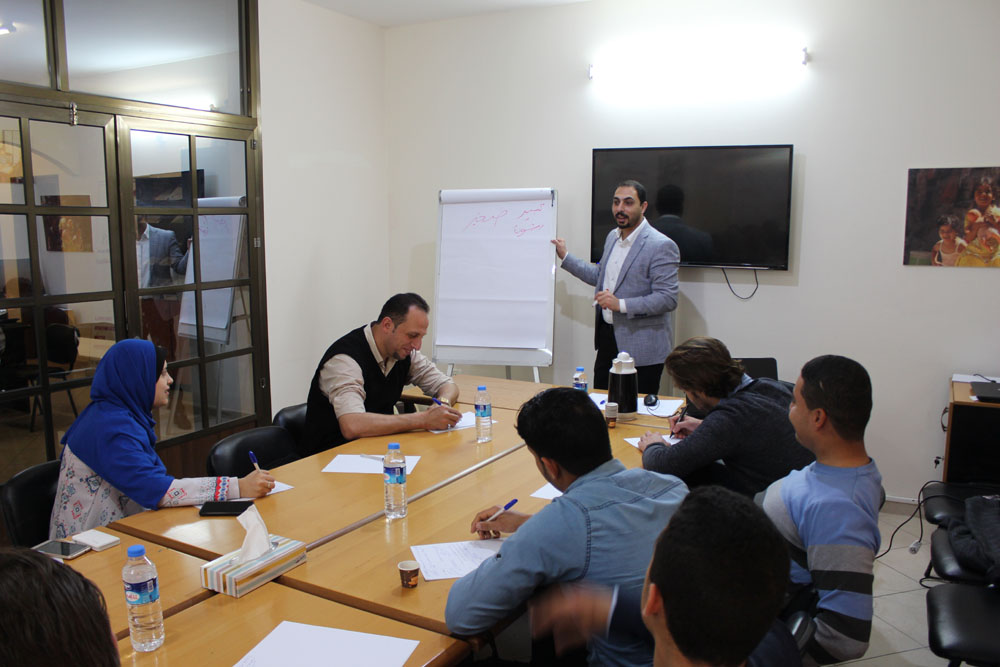
Pal-Think concludes a training on integrity, transparency and social accountability
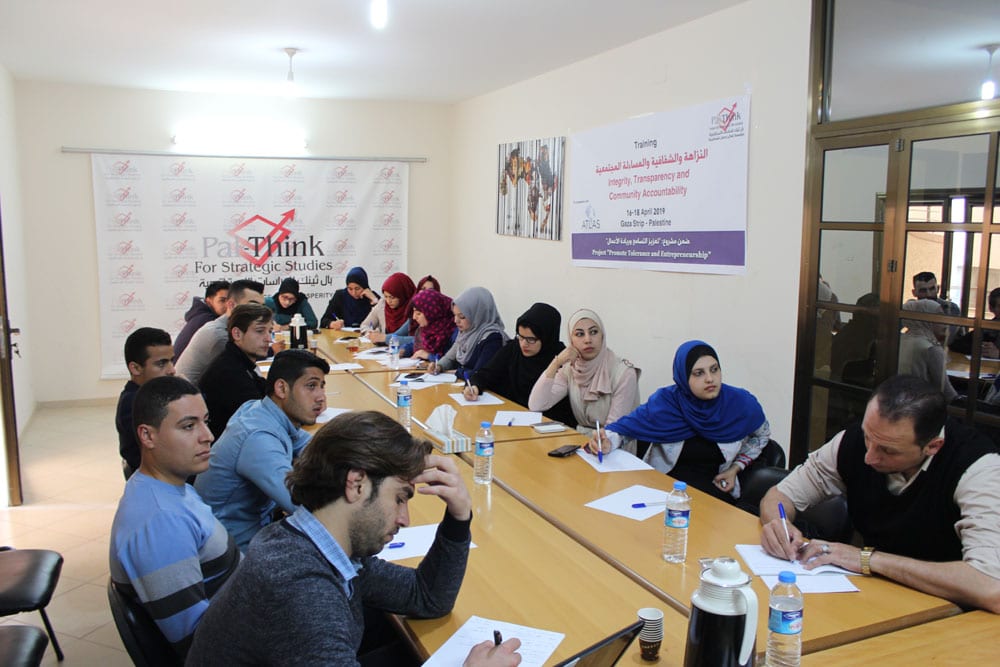
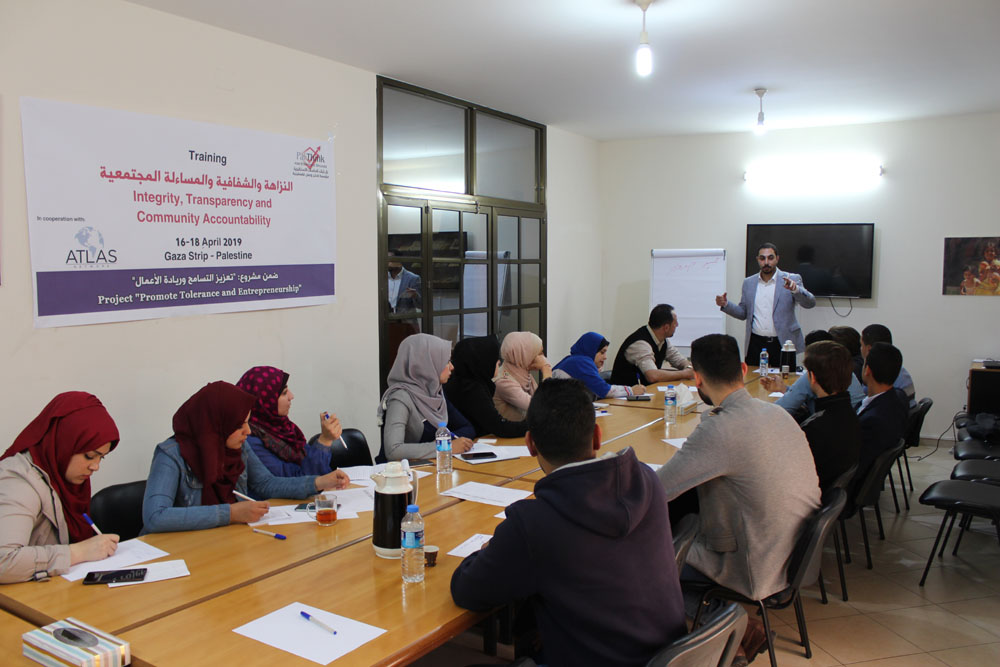
Pal-Think, with the Atlas Network, concluded the training «Integrity, transparency and social accountability» under the tolerance-and-entrepreneurship project, delivered by lawyer Bakr Al-Turkmani for 20 young participants.
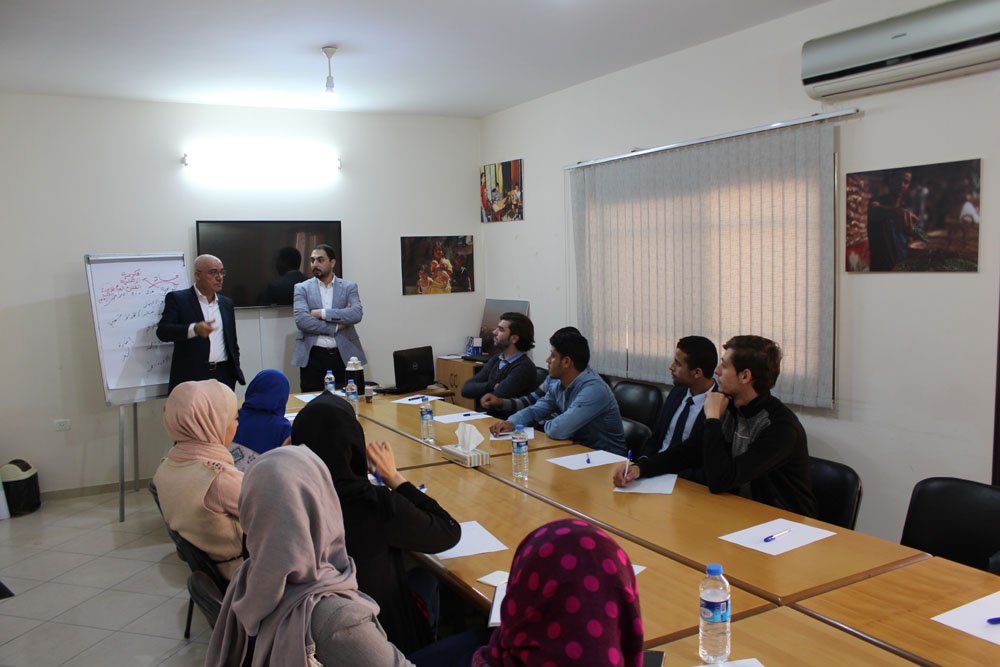
Pal-Think for Strategic Studies, in partnership with the Atlas Network, concluded a training programme titled “Integrity, transparency, and communal accountability”, within the project “Strengthening tolerance and entrepreneurship”. The lecture was presented by the lawyer and legal consultant Mr Bakr al-Turkmani, with the participation of 20 young men and women from the Strip's various universities and governorates.
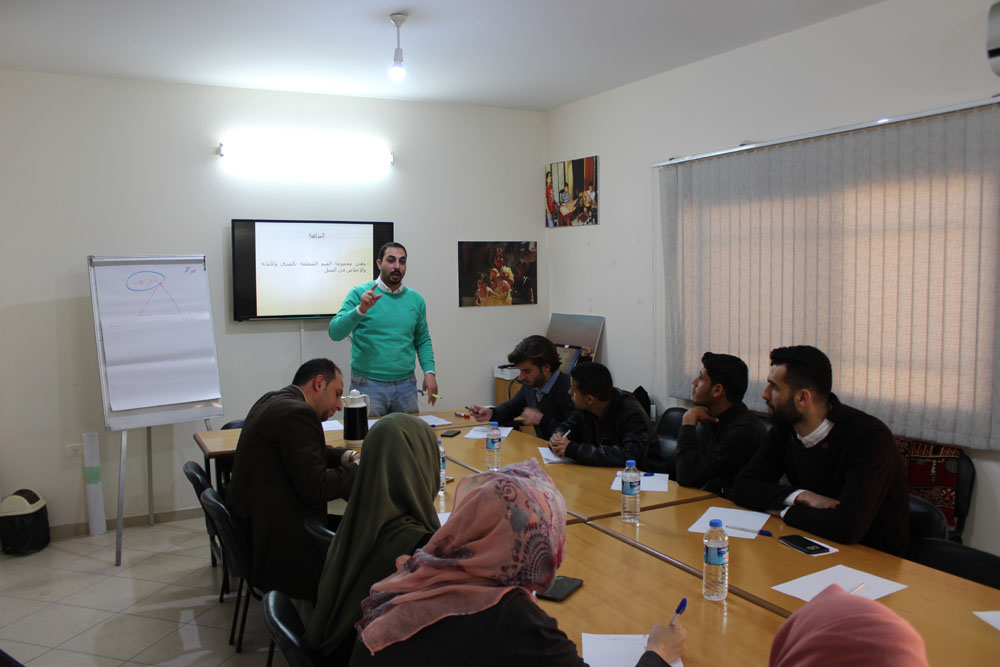
Mr Bakr al-Turkmani began the training by speaking of the reality of corruption in Palestine in the various sectors, the causes of its existence, and the results consequent upon it; he likewise spoke of the mechanisms of fighting corruption, and the necessity of studying and applying what is possible of the United Nations Convention against Corruption.
Mr Bakr likewise touched on the definition of corruption, the points any definition of corruption must comprise, the concept of financial and administrative corruption and the difference between them; he likewise discussed the forms of corruption and explained them in detail, comprising bribery, favouritism, partiality, wasta, the plundering of public money, extortion, and the misuse of public office, in addition to the difference between corruption and the suspicion of corruption.
The last part of the training took up the concept of integrity, transparency, and communal accountability and the indicators of each of them, and the legal system for fighting corruption in Palestine: several laws were touched on in the discussion, among them: the illicit-gain law, the law of the Financial and Administrative Control Bureau, the penal code, and the categories subject to the penal code.
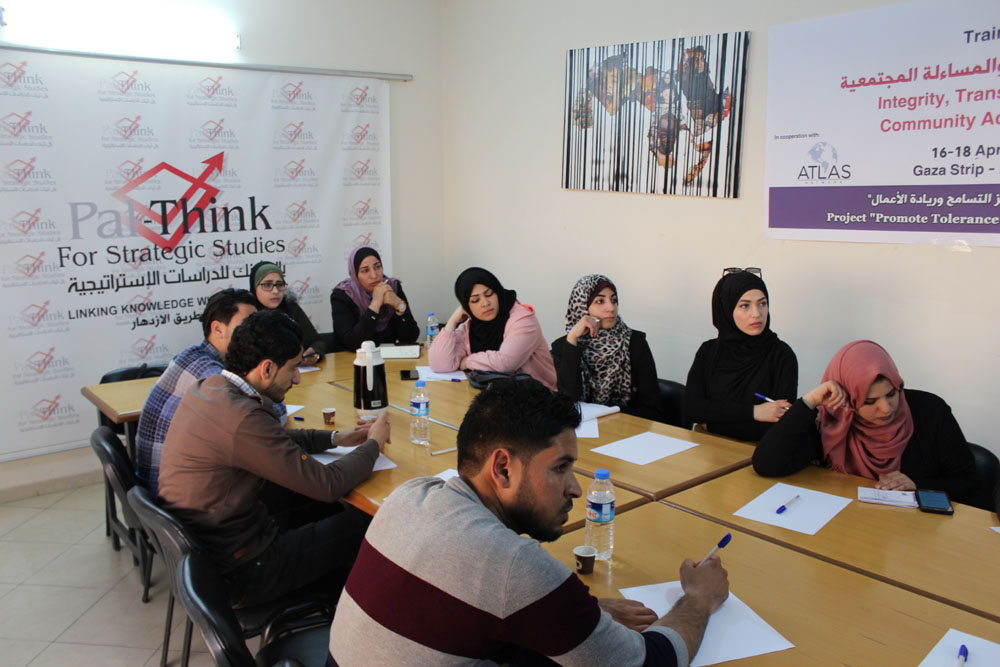
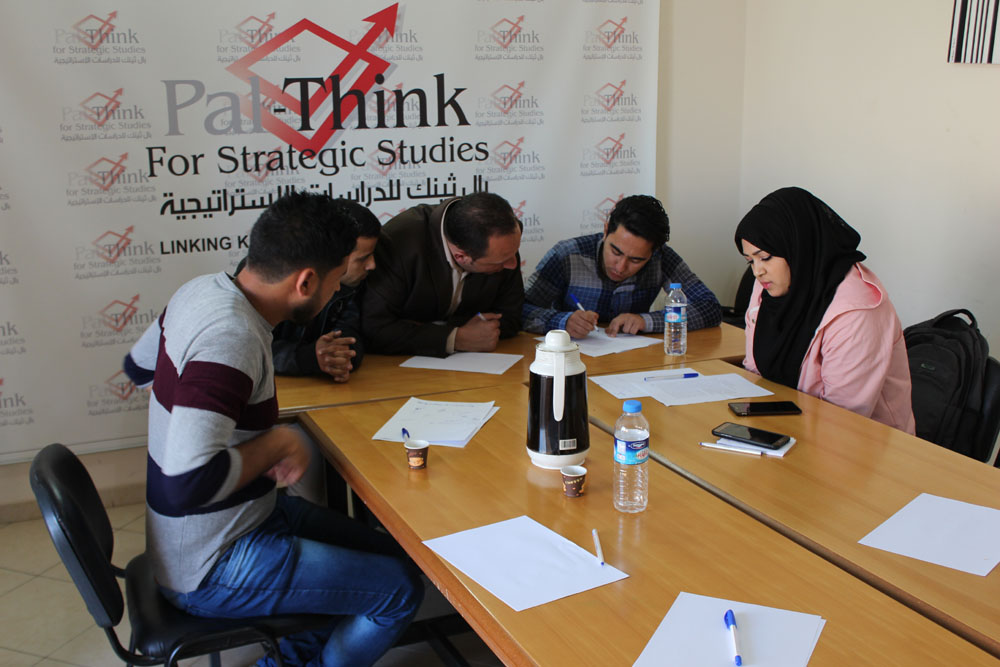
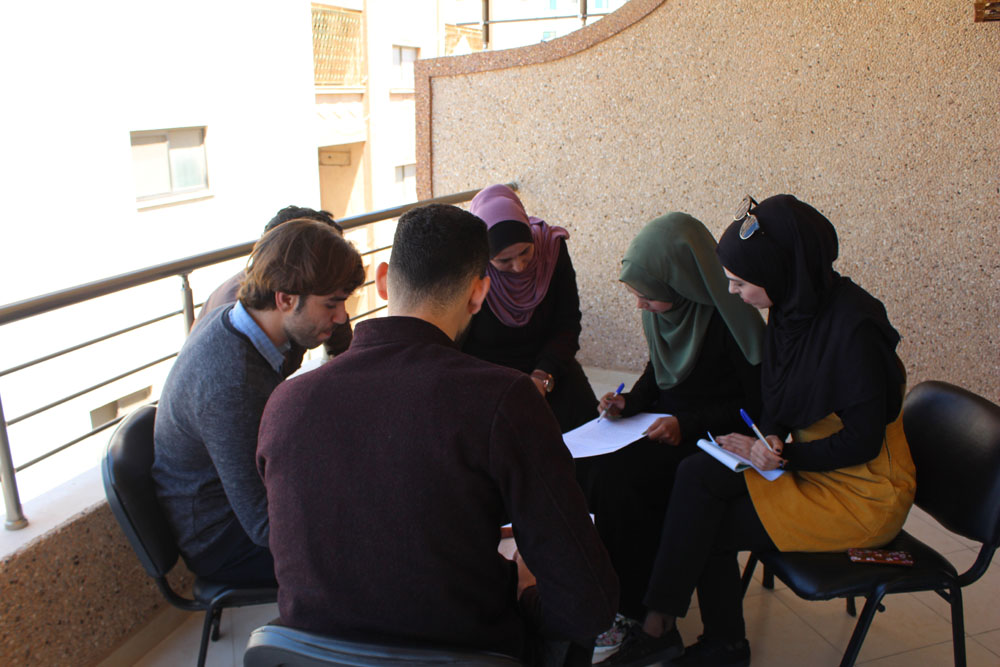
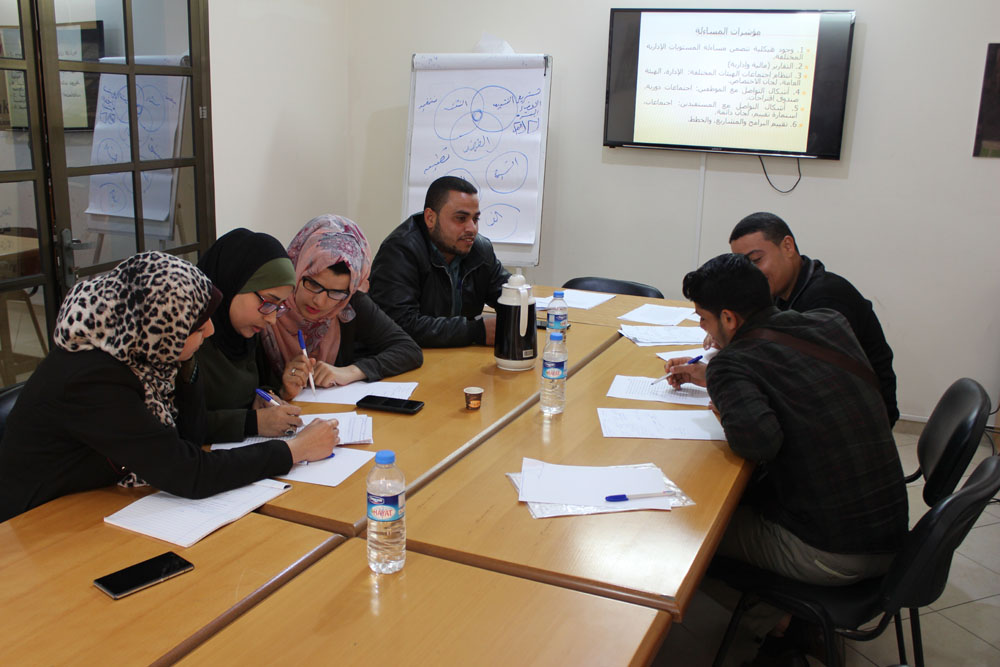
The training was interspersed with effective participation from the youth, who showed their great interest in the training and its importance in changing the Palestinian reality toward the better. Mr Bakr engaged them in two activities during the training: an activity related to classifying the forms of corruption, and another activity related to classifying the indicators that belong to integrity, transparency, and communal accountability. At the end of the training the door of discussion was opened, and Mr Bakr struck examples from the Palestinian reality of models of corruption and how they were confronted and eliminated.