Lecture: Peacebuilding and conflict resolution — the two-state solution as a case
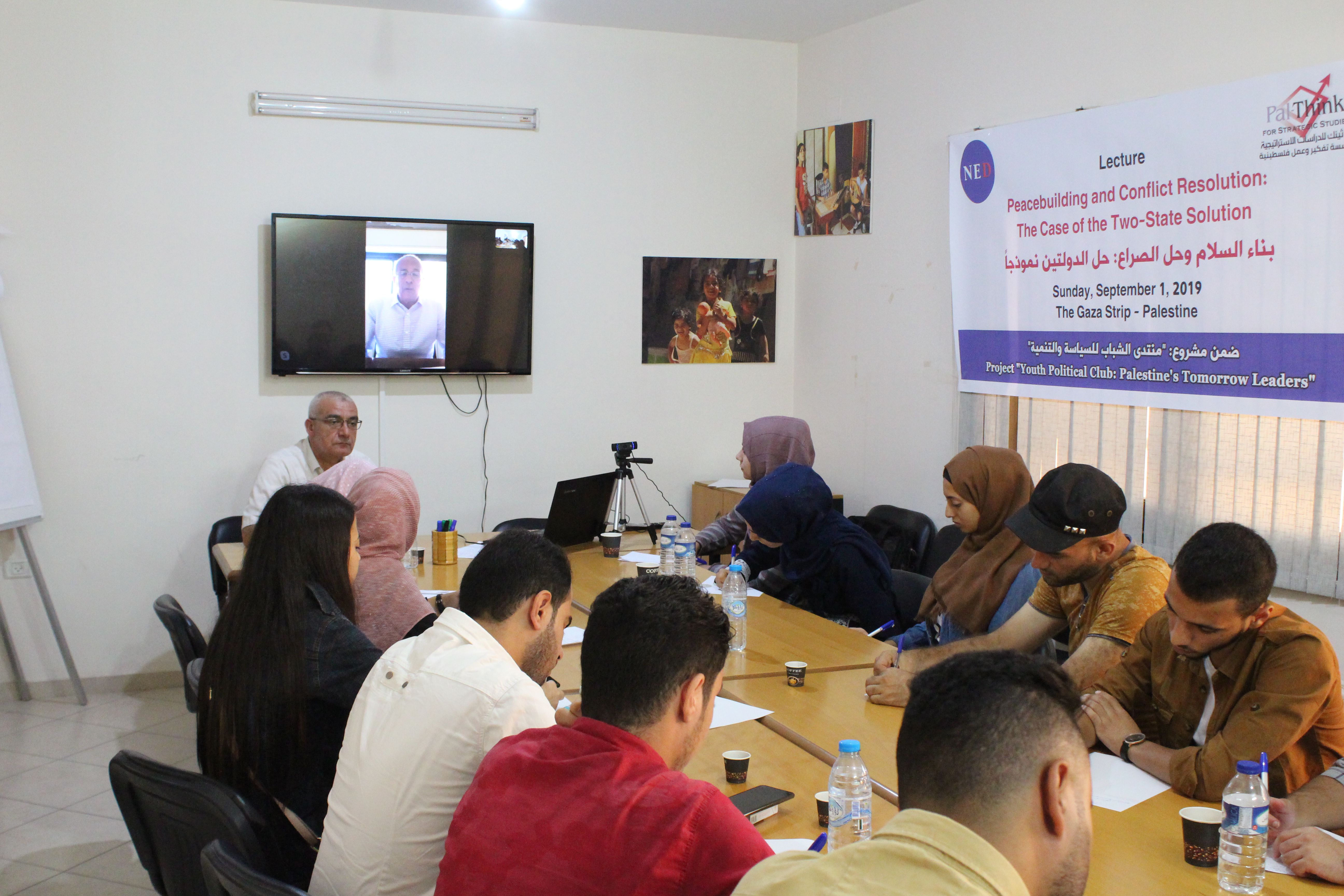
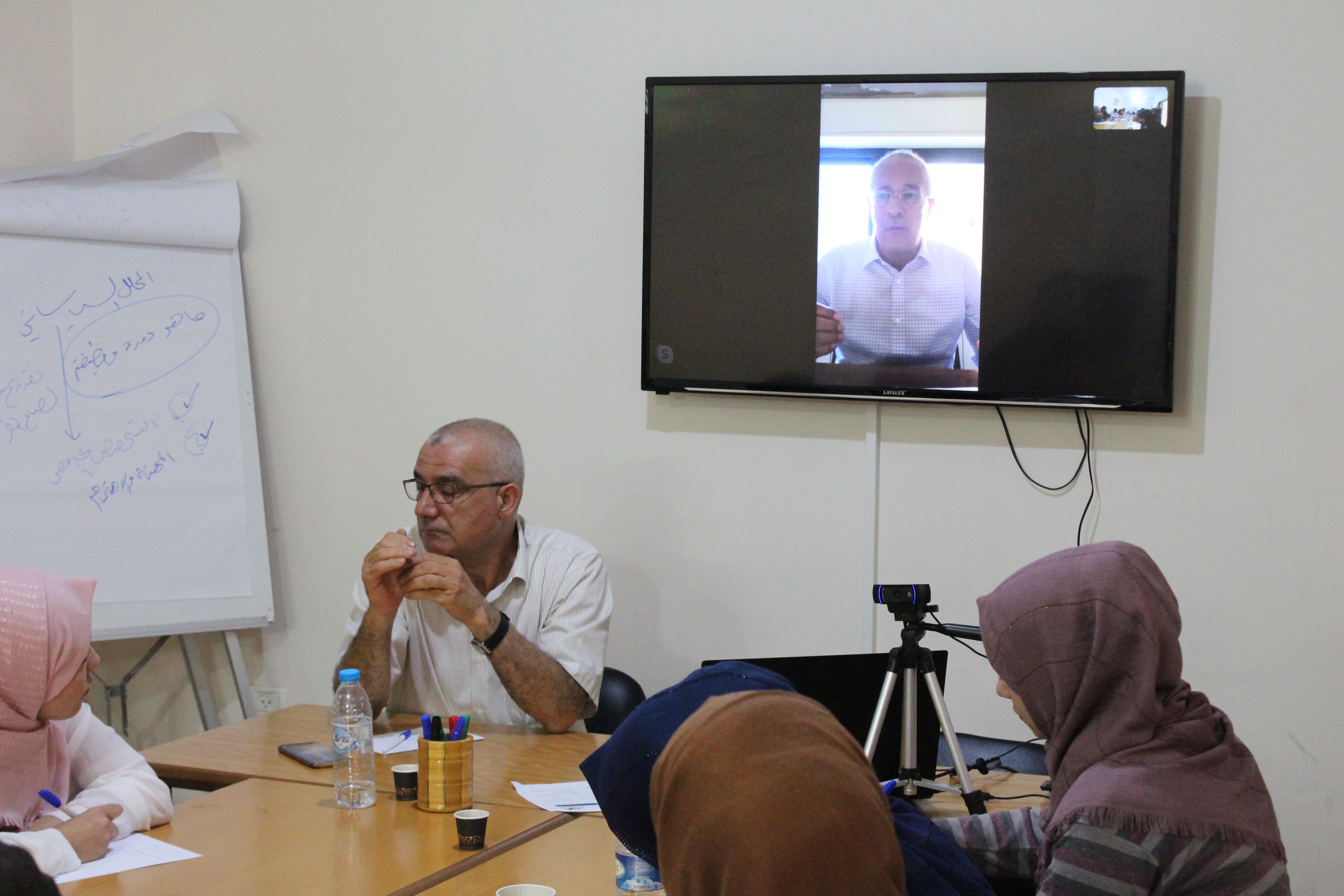
Pal-Think delivered the lecture «Peacebuilding and conflict resolution» under the NED-funded Youth Forum for Policy & Development project, hosting Dr. Ghassan Khatib of Birzeit University.
1 September, 2019
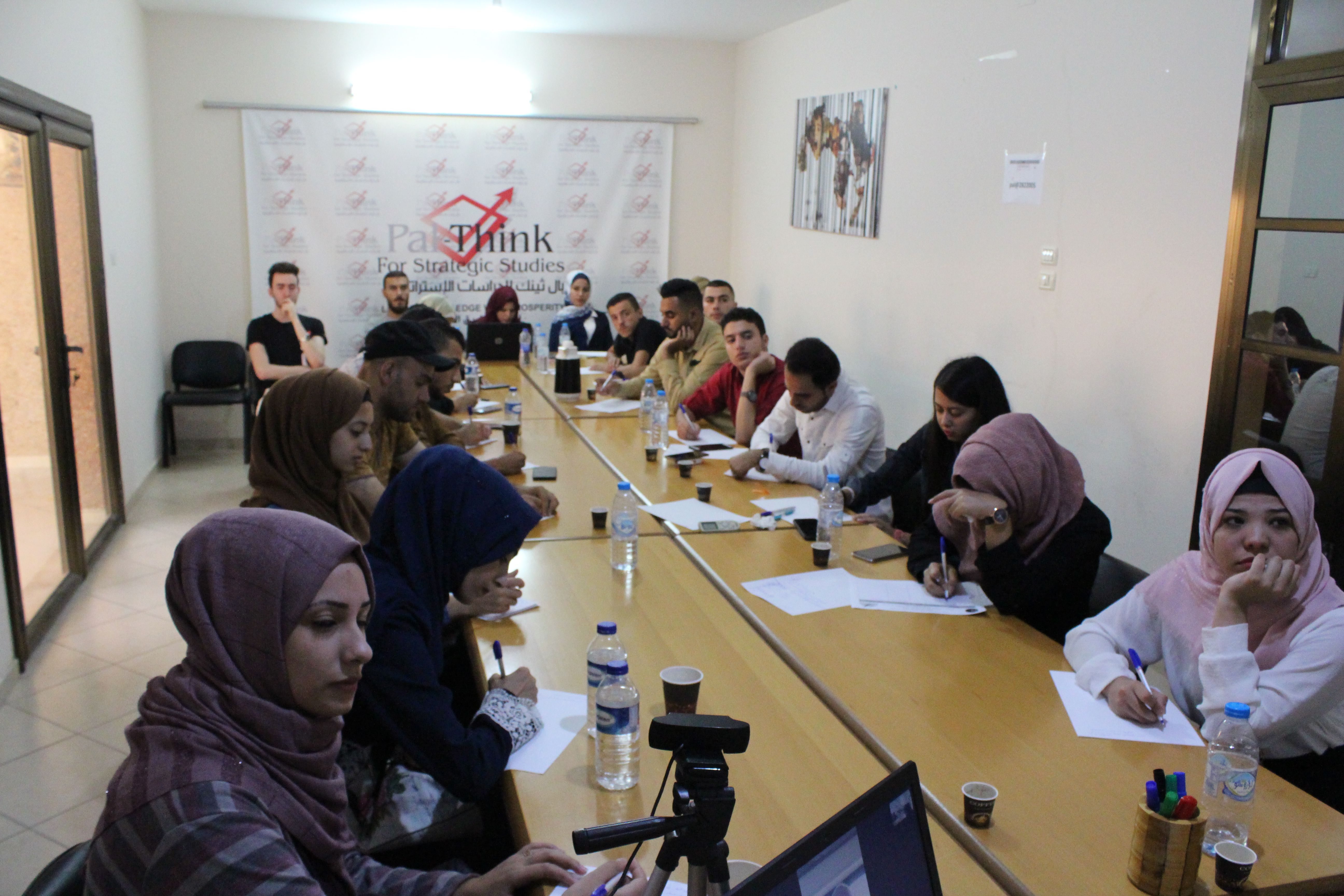
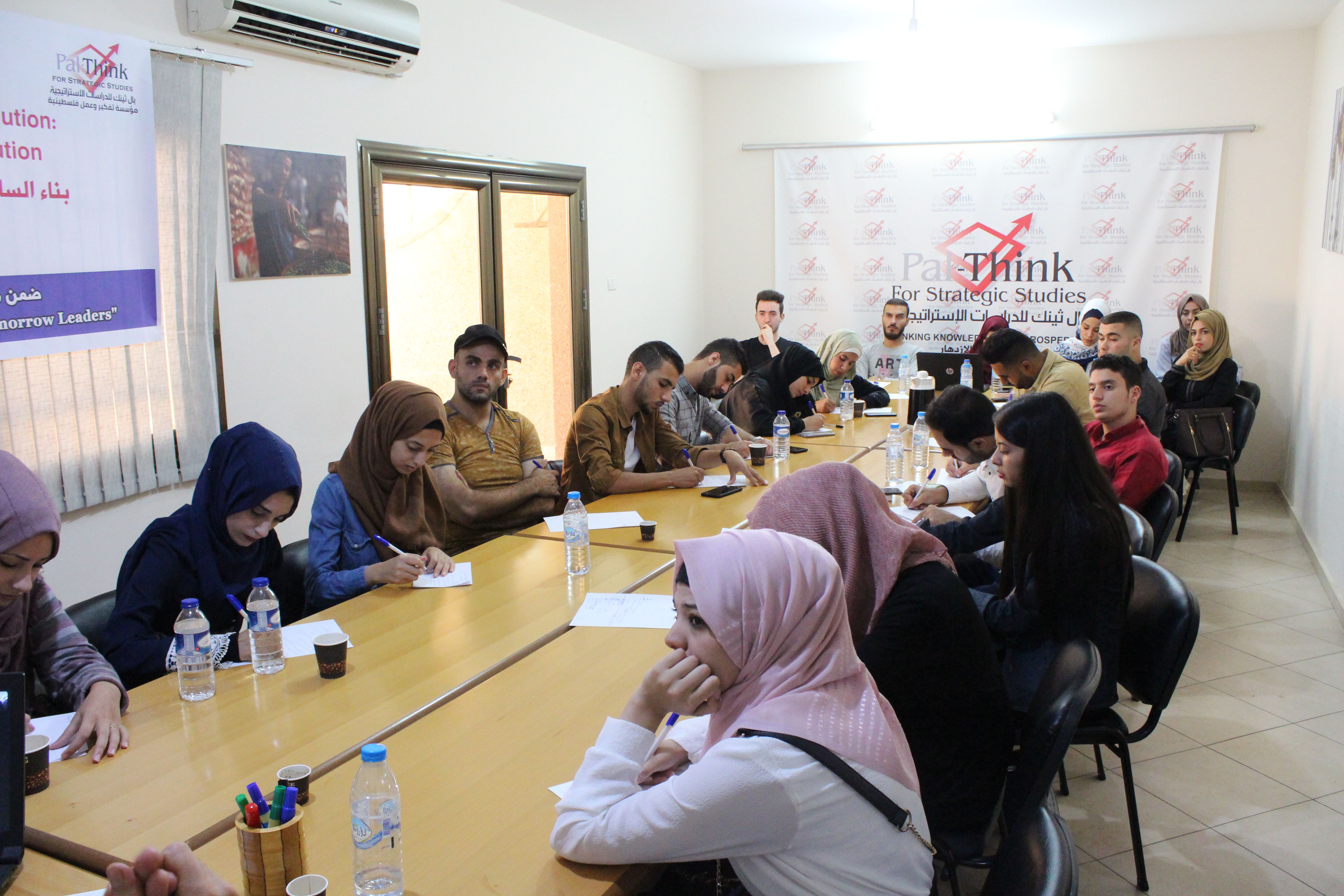
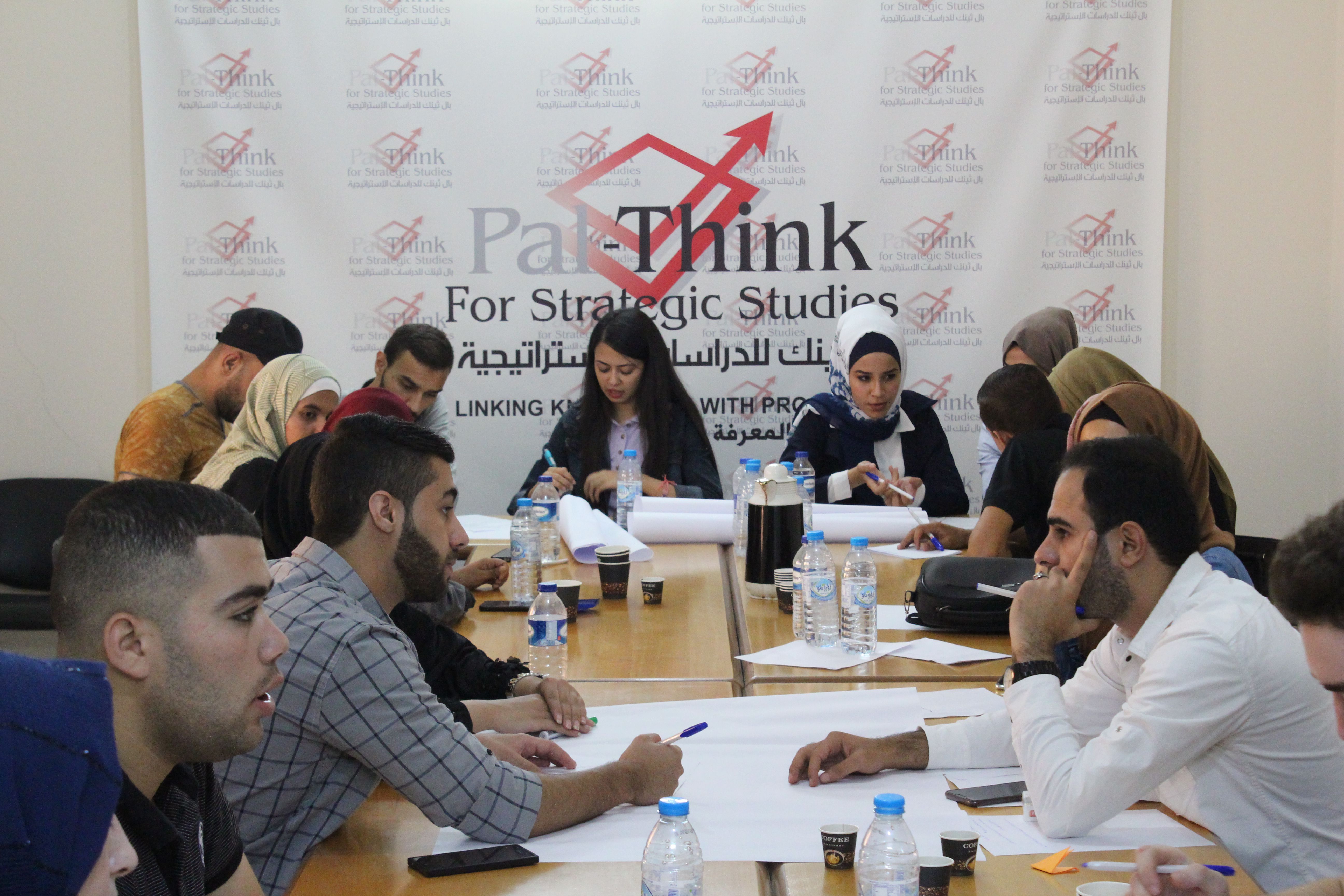
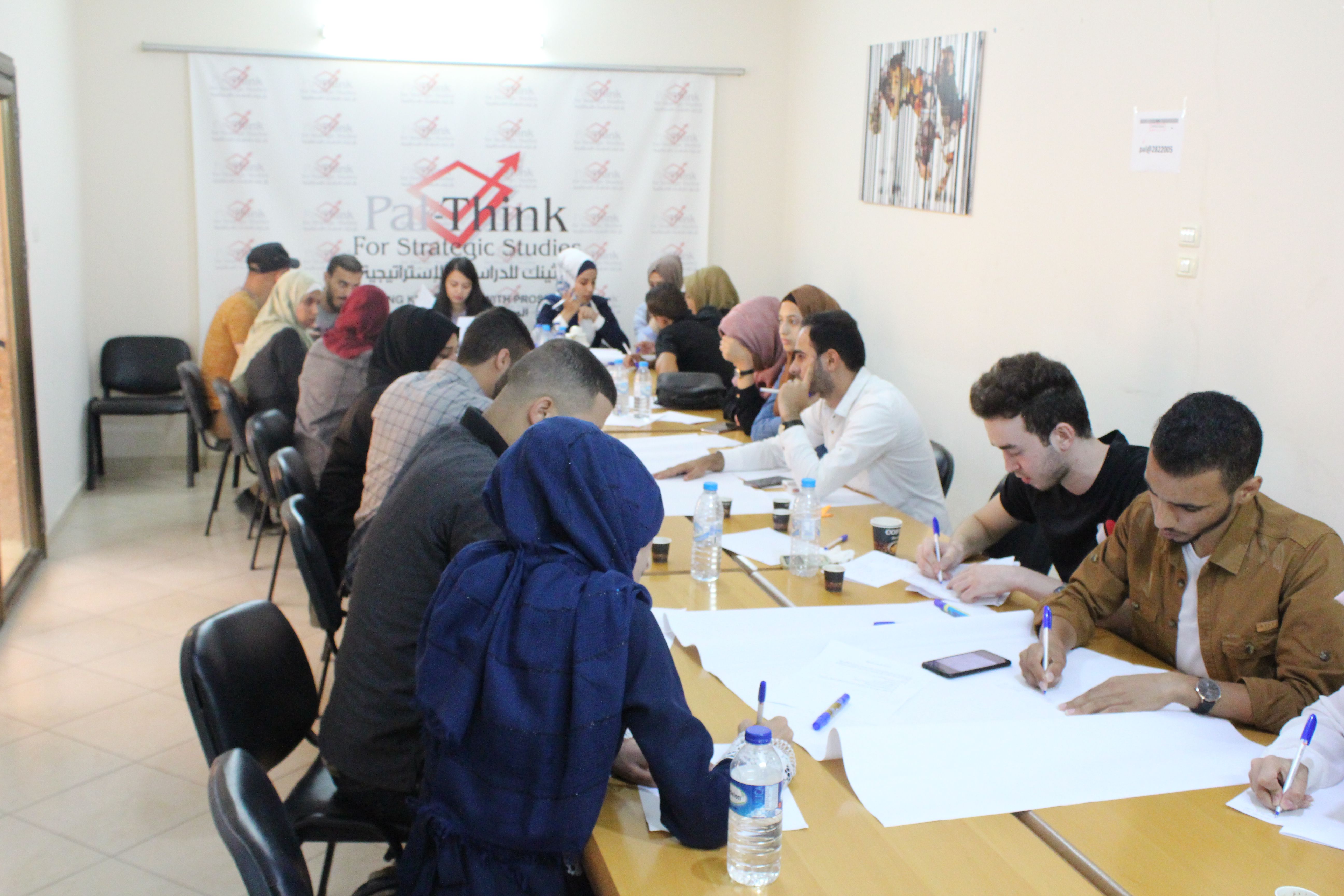
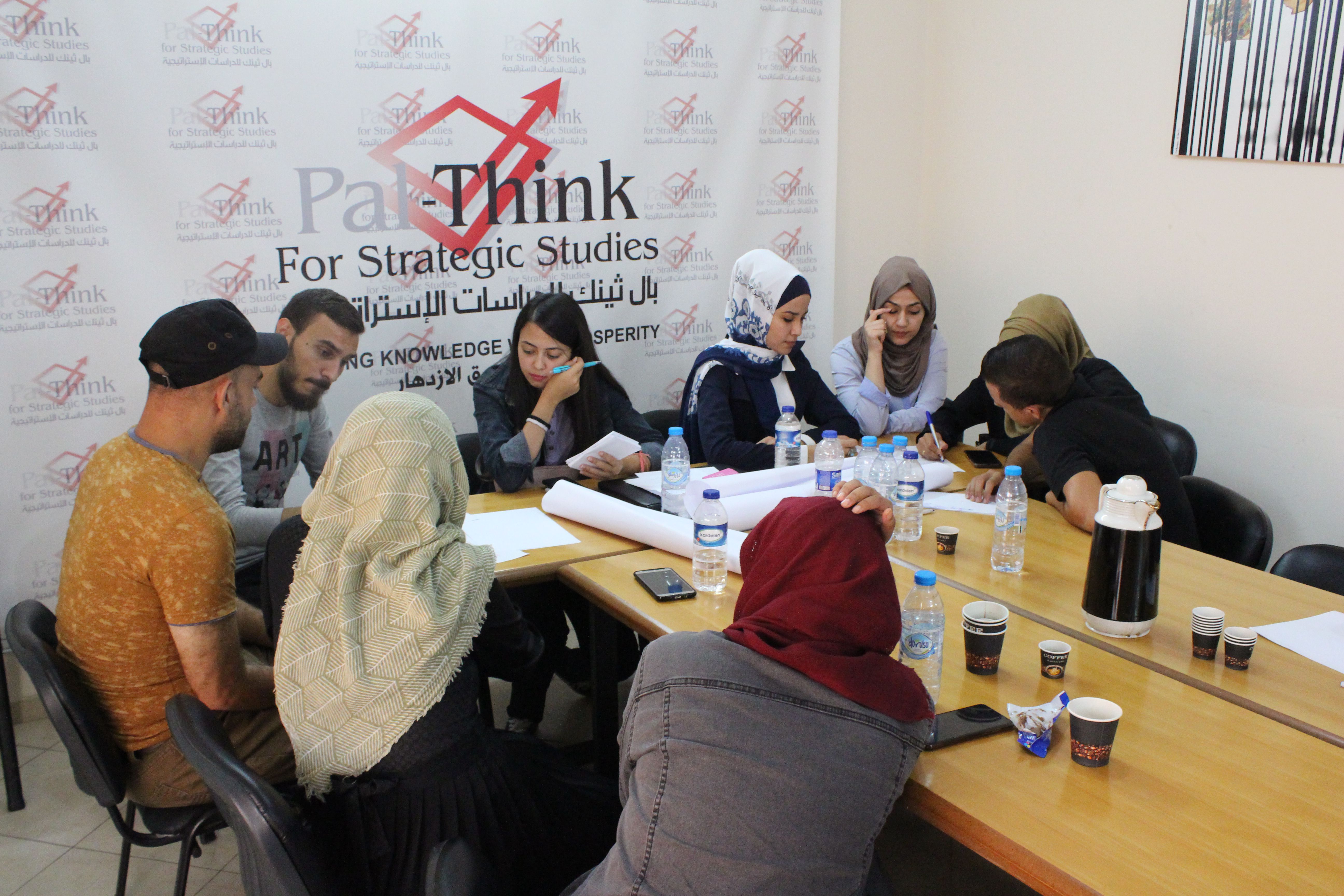
The Pal-Think for Strategic Studies institution carried out a lecture titled “Peace-building and conflict resolution”, within the project “The Youth Forum for Politics and Development”, in cooperation with the National Endowment for Democracy (NED). Pal-Think hosted Dr Ghassan Khatib, professor of cultural studies at Birzeit University, with the participation of a team composed of 25 youth (13 females : 12 males) within the age category 18–25, who have the passion to learn about politics and development.
The lecture aimed fundamentally at reviewing the history and efforts of peace-building within the Palestinian condition, then discussing the two-state solution and the issues related to it and the other alternatives, from the one-state solution, passing through the deal of the century and its aspects.
Dr Khatib took up many principal issues, among them the concept of peace, the international interventions and the negotiations to reach the peace process, the reasons for the failure of the peace-process negotiations, in addition to the one-state solution compared with the two-state solution, and talk of the best option for the Palestine Liberation Organization's programme, passing through discussion of the extent of the dependability of the two-state solution's success or not.
Dr Khatib concluded the lecture by listening to the participants' interventions, comments, and questions, which included:
– Does the Oslo agreement contain guarantees obliging Israel to realise the two-state solution?
– What is the role of the Liberation Organization and the Palestinian Authority in the two-state solution?
– What is Palestinian youth's role in supporting the one-state or the two-state solution?
– What are the conceptions concerning the deal of the century and its directions, and is there a probability of its application on the ground?