Young Creations: a Pal-Think workshop discussing seven research papers on women's issues
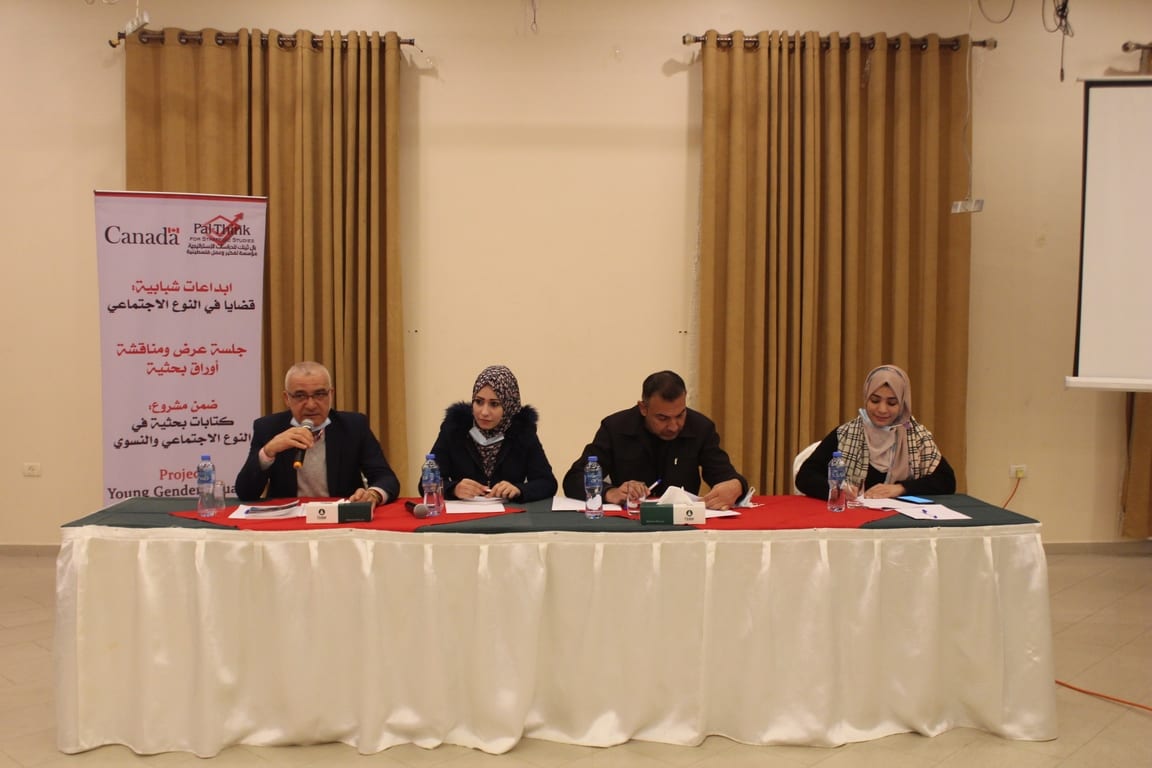
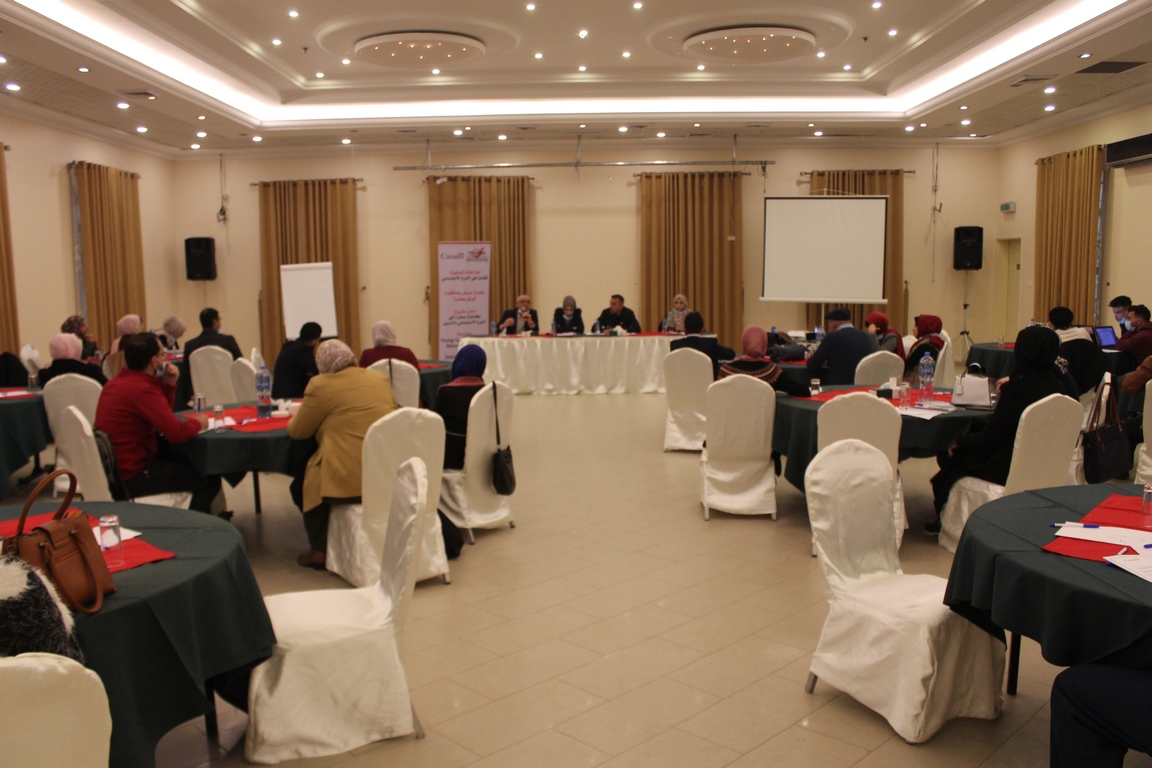
Pal-Think held a workshop discussing seven research papers on women's issues under the Canada-funded «Research writings on gender and feminism» project, with researchers and rights organisations participating.
Pal-Think for Strategic Studies organised a workshop to discuss seven research papers related to women's issues, within the project “Research writings in gender and feminism”, funded by the Government of Canada, with the participation of a number of researchers, organisations, and rights centres.
The encounter was opened by the institution's director, Omar Shaban, welcoming the attendees, and he said: “This is the final session of the project, which has continued for several months in cooperation with the Government of Canada. We are proud of this project and this partnership, which makes us feel we are doing something important for our people.”
He added: “Pal-Think implements this project within its vision of sustainable development in the Gaza Strip especially and Palestine generally. We are here placing the young men and women at the beginning of the road.”
Shaban affirmed that among his institution's most important principles is widening the circle of participation and working with everyone: “we deal with all the politicians, writers, and researchers, from all the parties and factions in the Gaza Strip” — describing “Pal-Think” as an oasis of independent work, far removed from partisanship.
He concluded by saying: “All the research papers the trainees prepared will be published in the two languages, Arabic and English, and we take pride in that, because these indicators give us hope and confidence in the youth. The researchers who will present their papers today — we will see them in the future in leadership positions.”
In the first session, moderated by the researcher and writer in political science Dr Islam Atallah, the researchers Waseem al-Khalidi and Areej Jareed discussed a research paper titled “Women's participation in Palestinian political life”, reviewing statistics and rates of women's representation in the National and Legislative Councils, and arriving at several results, most importantly: that women suffer in the political scene from a lack of full and true representation, and that women's situations in the political parties have not reached the required level.
As for the researchers Sawsan Ajouri and Hadeel Zaqout, they shed light in their two papers on the discrimination between university admission averages and on the reality of female students in the Gaza Strip's universities, and arrived at several recommendations, most importantly: work must be done to unify admission averages between the sexes, and civil society organisations must give attention to this issue.
For her part, the researcher Nourhan al-Tabatibi reviewed in her paper the challenges of passing the law on protecting the family from violence in light of the disabling of the Legislative Council and the rise of the rates of family violence within Palestinian society. The study arrived at the conclusion that there is no political will to pass the law, and that the absence of deterrent laws against family violence has caused its increase.
Likewise, the subject of the researcher Yasmin al-Duraimli's paper was the extent to which the personal-status law observes the interest of the mother and her child at the age of custody, and the reality of the laws and the problematics from which women suffer in this issue. Among the study's results: the current custody system causes negative effects on the children and the mother, and some children are used as a means of blackmail against their mothers.
In the second session, moderated by the lawyer and specialist in women's and gender issues Ms Heba al-Danaf, the researchers Abdallah Abu Shamala and Mai al-Sous discussed the role of cultural activities in treating gender-based violence. The paper aimed to strengthen cultural activities in communal institutions and to work on raising people's awareness of these issues and engaging them in setting solutions for them by way of culture. The study arrived at several recommendations, among them: the necessity of allocating material support for cultural activities related to the issues of gender-based violence, and creating a cultural lobby that works to spread these activities.
As for the title of the researcher Heba Abu Bakra's paper, it was “Mechanisms of strengthening young women's access to leadership positions in Palestinian civil society institutions”, and the study's problem was embodied in the scarcity of young women's presence on the administrative boards and decision-making centres in civil society institutions. Among the paper's results: the existence of weakness in young women's participation and representation in the senior positions in civil society institutions, and the existence of challenges and impediments facing non-governmental organisations in the Gaza Strip.
Finally, the researcher Sahar Layed took up the role of feminist writings in strengthening feminist awareness in the Gaza Strip, the extent of feminist studies' influence in forming women's awareness, and the challenges that impede researchers of both sexes. The paper arrived at several results, among them: the limitedness of the influence of feminist awareness, which is tied to a specific time, and the absence of a permanently supporting body to attract Palestinian women researchers to express women's issues.
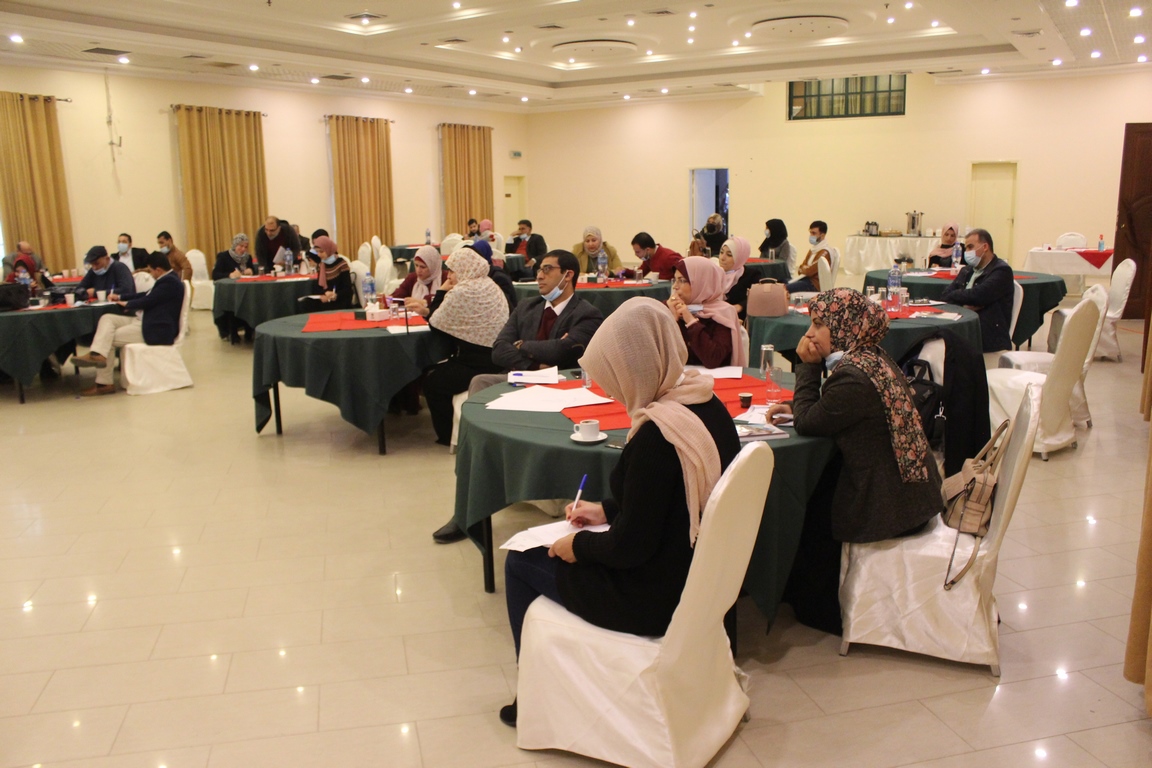
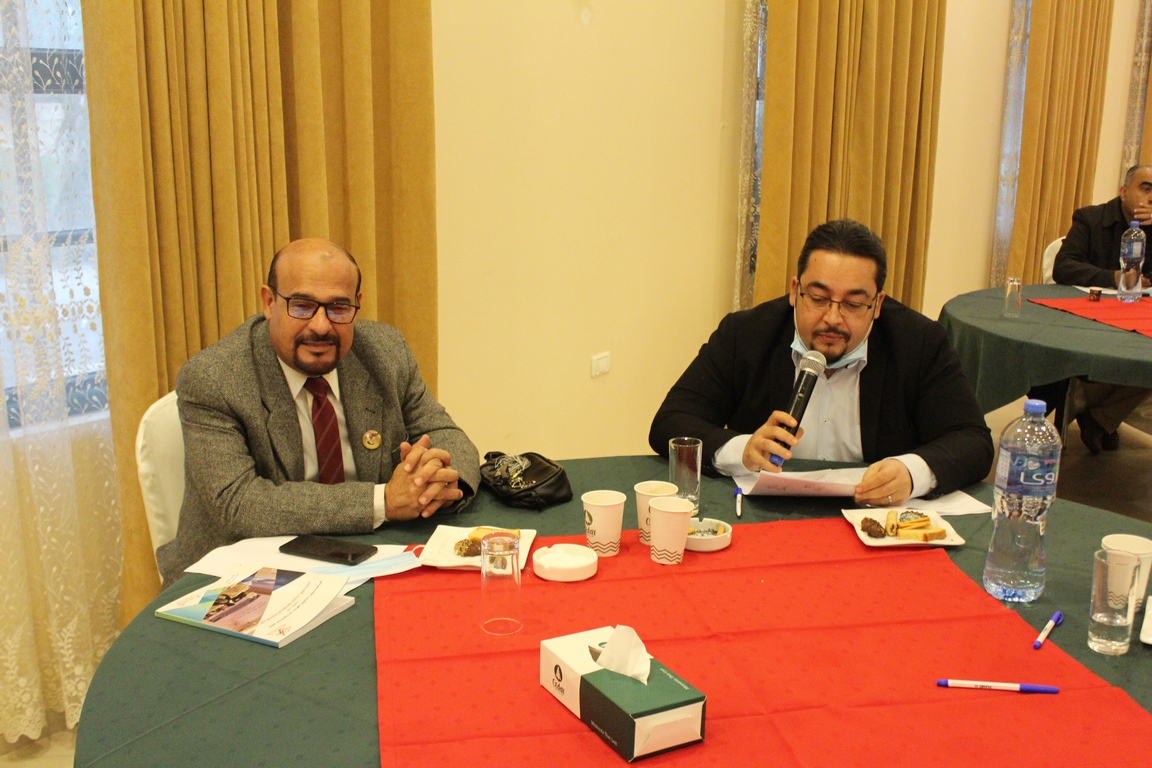
The attendees likewise discussed the most important axes contained in the papers, and it was an enriching discussion, as the observations and recommendations were reinforcing of the topics the participants put forward.


The designations used and the presentation of materials in this programme entail no expression of any opinion whatsoever on the part of the Government of Canada