Nationwide, Pal-Think and civil society organisations present working papers towards building the future Palestinian state
Continuing the state-strengthening cooperation project, civil organisations across the country carried forward their joint initiatives producing policy proposals that support the national project.
In completion of the activities of the project “Strengthening cooperation between Palestinian community organisations for the sake of strengthening the future Palestinian state”, which aims at strengthening the work and interaction between civil-work organisations at the national level to present scientific visions and policy proposals that support the direction of building the Palestinian state, Pal-Think carried out workshops to present and discuss these visions within working papers taking up different issues that concern Palestinian society. 34 of the civil-work institutions in the northern and southern Palestinian governorates are taking part in carrying out different initiatives within the project on several issues, to produce these papers as a principal output of the initiatives.
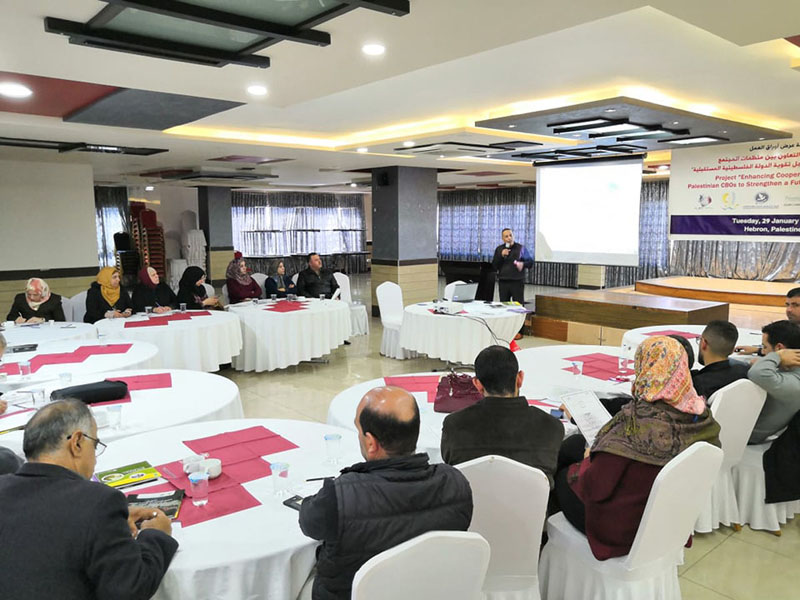
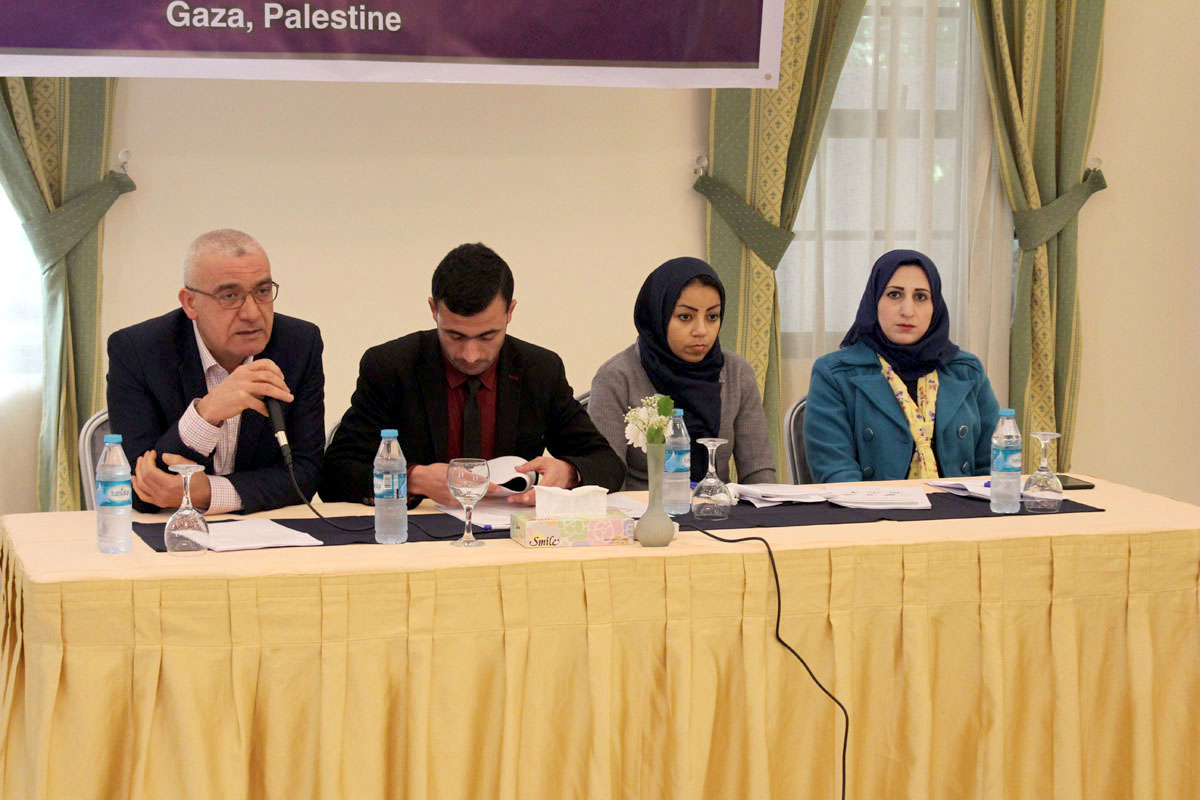
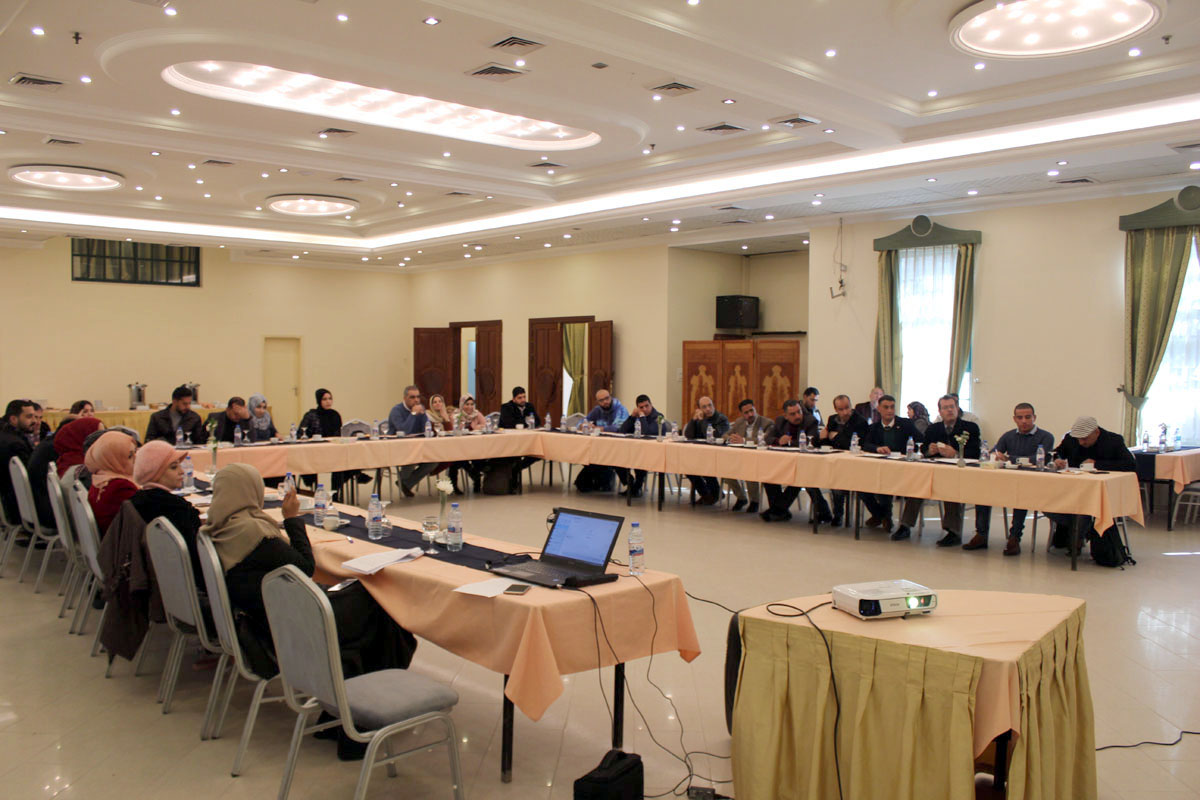
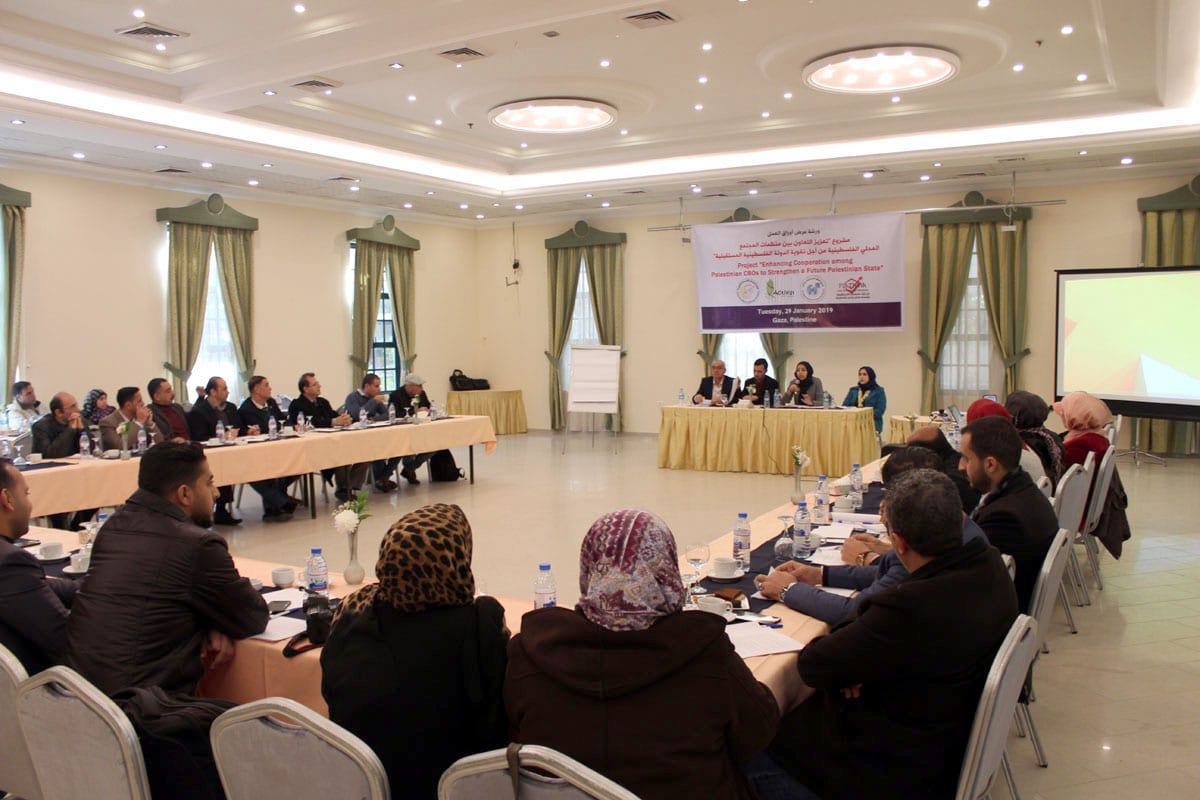
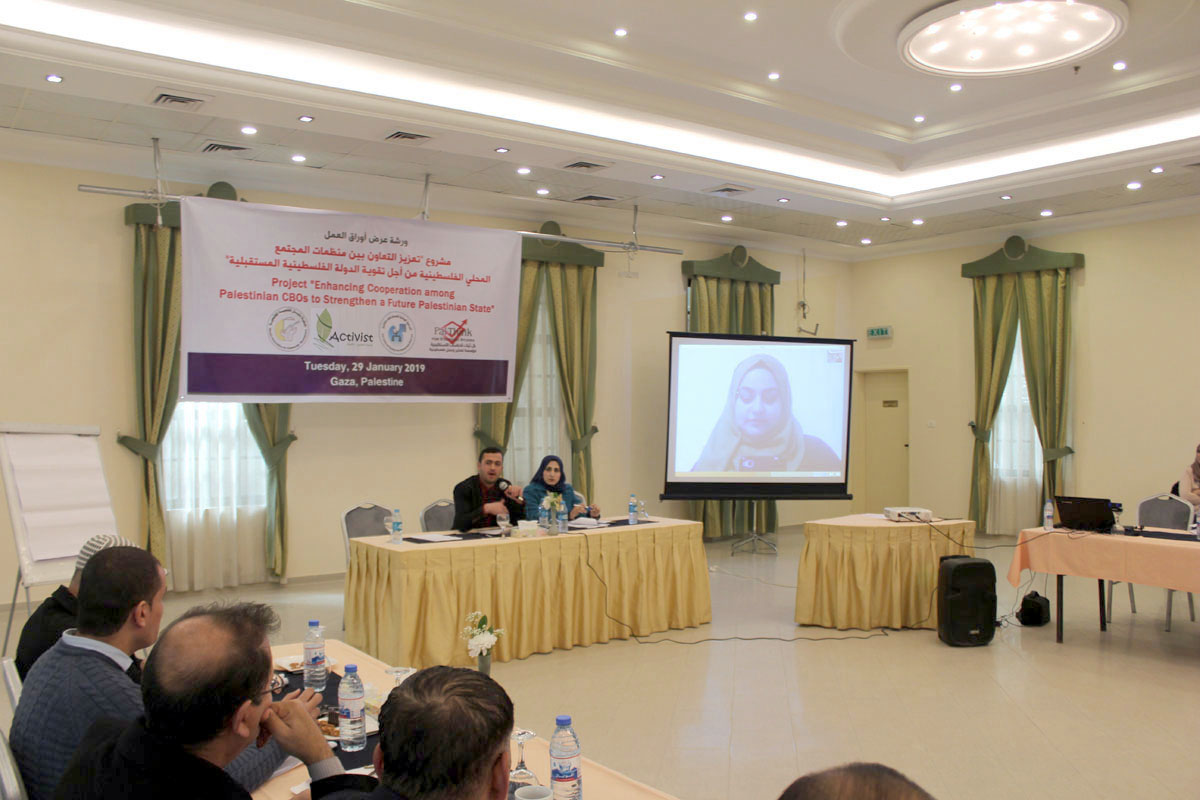
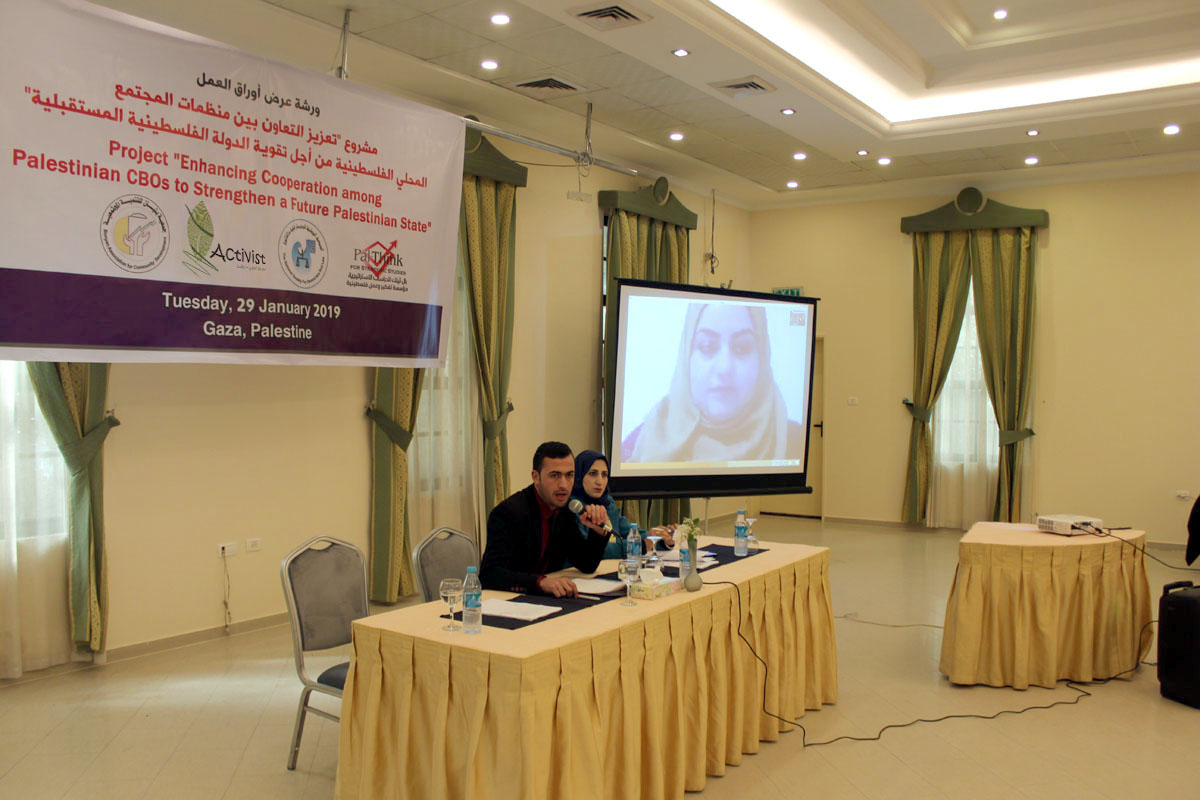
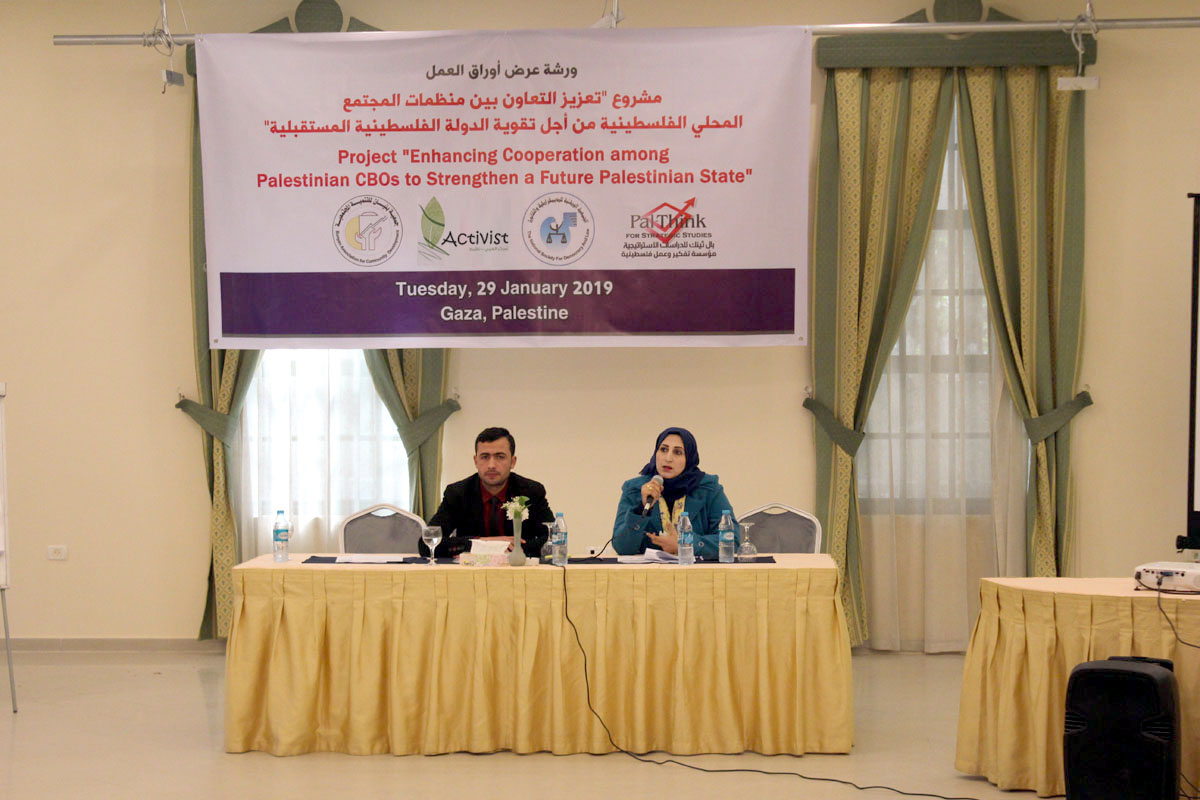
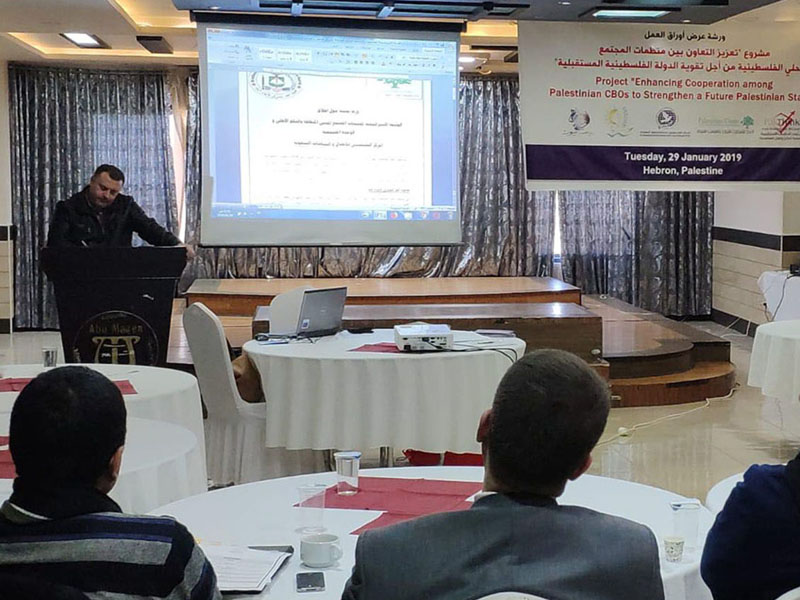
Pal-Think began its first workshops with the presentation of 6 working papers in whose production 12 partner institutions took part, through two separate workshops in Gaza and Hebron. In Gaza the first paper was titled “Youth visions toward the national policies agenda 2022”, prepared by the Arab Center (Nashit) in Gaza and the SHAMS Human Rights and Democracy Media Center in Ramallah. The second paper, which discussed the issue of “The right of peaceful assembly”, was prepared by the National Association for Democracy and Law in Rafah and the Civil Commission for the Independence of the Judiciary and the Rule of Law “Istiqlal” in Ramallah; while the third paper was on “The neutrality of the media”, prepared by the Bunyan Association in Gaza and the Arab Women Association in Jerusalem.
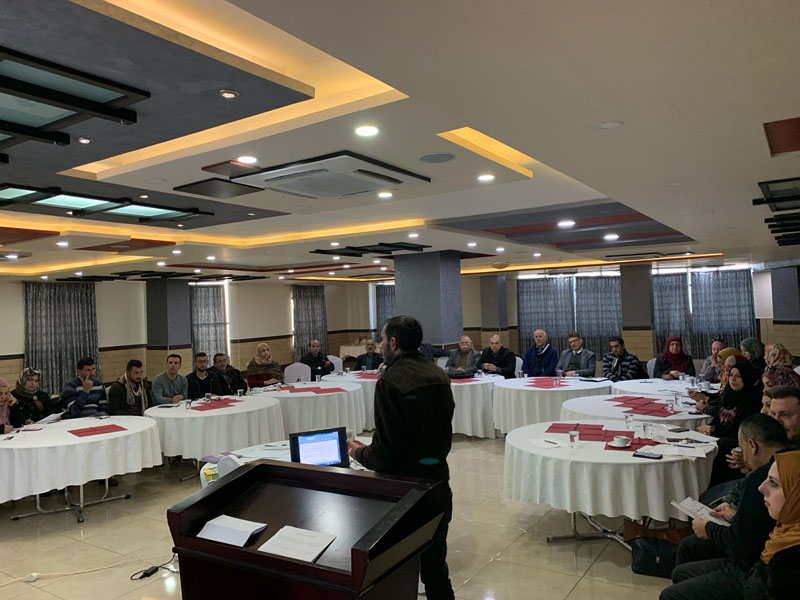
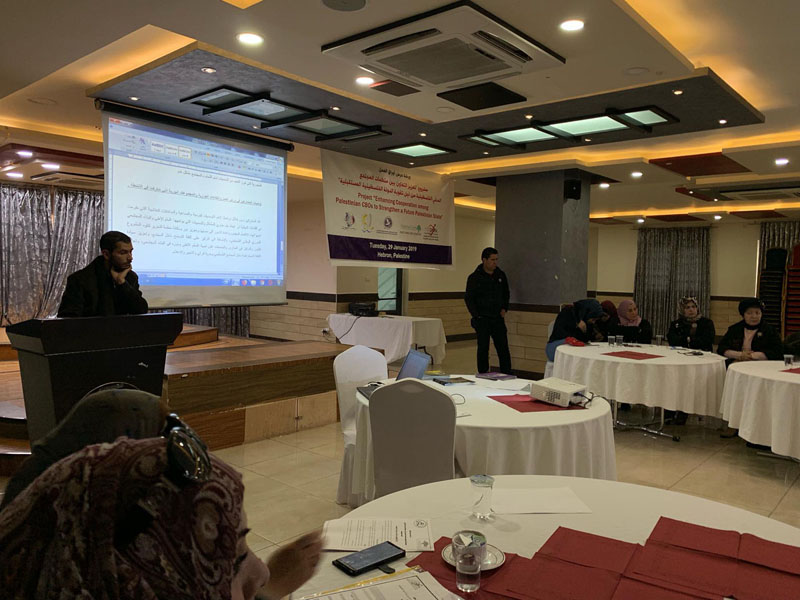
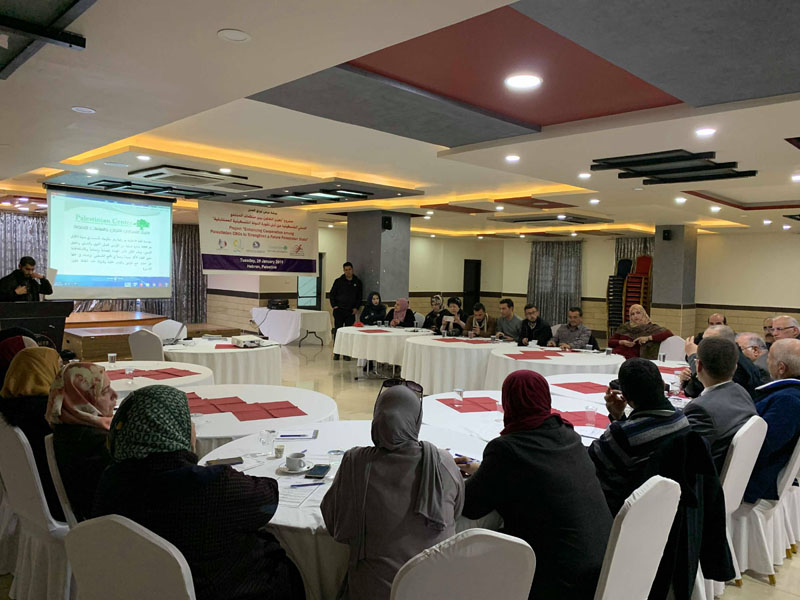
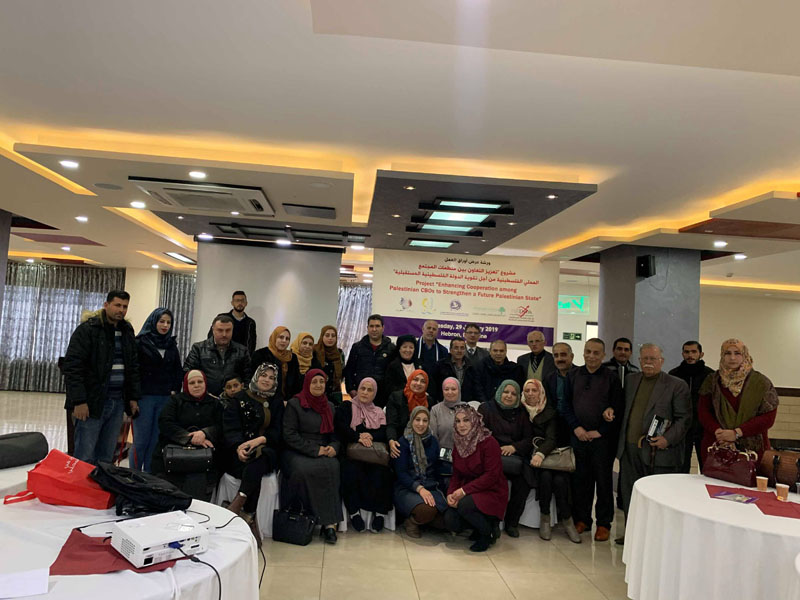
While 3 other papers were presented in Hebron: the first of them under the title “The Palestinian division and its effect on civil peace and social justice”, a paper presented by the Palestinian Center for Studies and Dialogue of Civilizations in Bethlehem and the Ataa Charitable Association in northern Gaza. The second paper is “The strategic document of civil-society and civil organisations in Palestine for strengthening geographical and communal unity”, prepared by the Palestinian Center for Communication and Development Policies in Hebron and the Bright Tomorrow Association in Khan Younis. And the third paper is on “The mechanisms of protecting the social and economic rights of the women working in the small workshops in Palestine”, the production of the Irada Center, the first incubator for businesswomen in Palestine, in Hebron and the Zeina Association in Gaza.
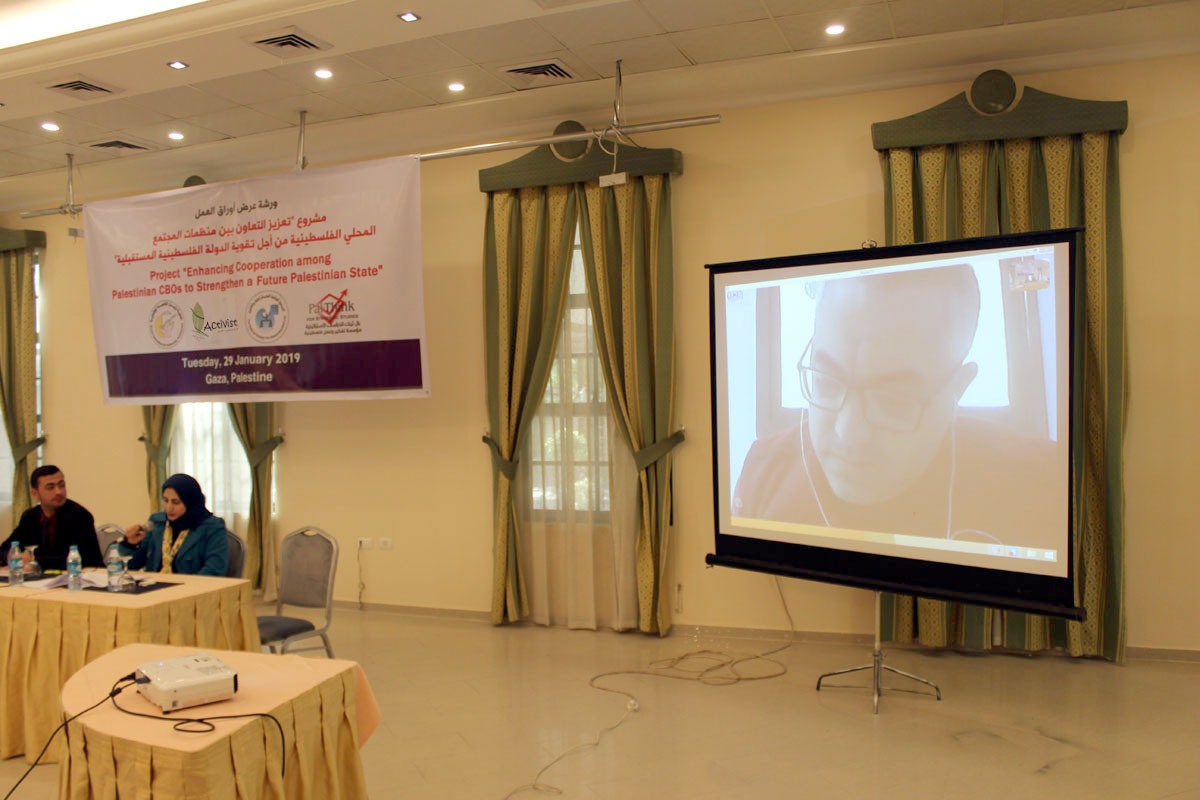
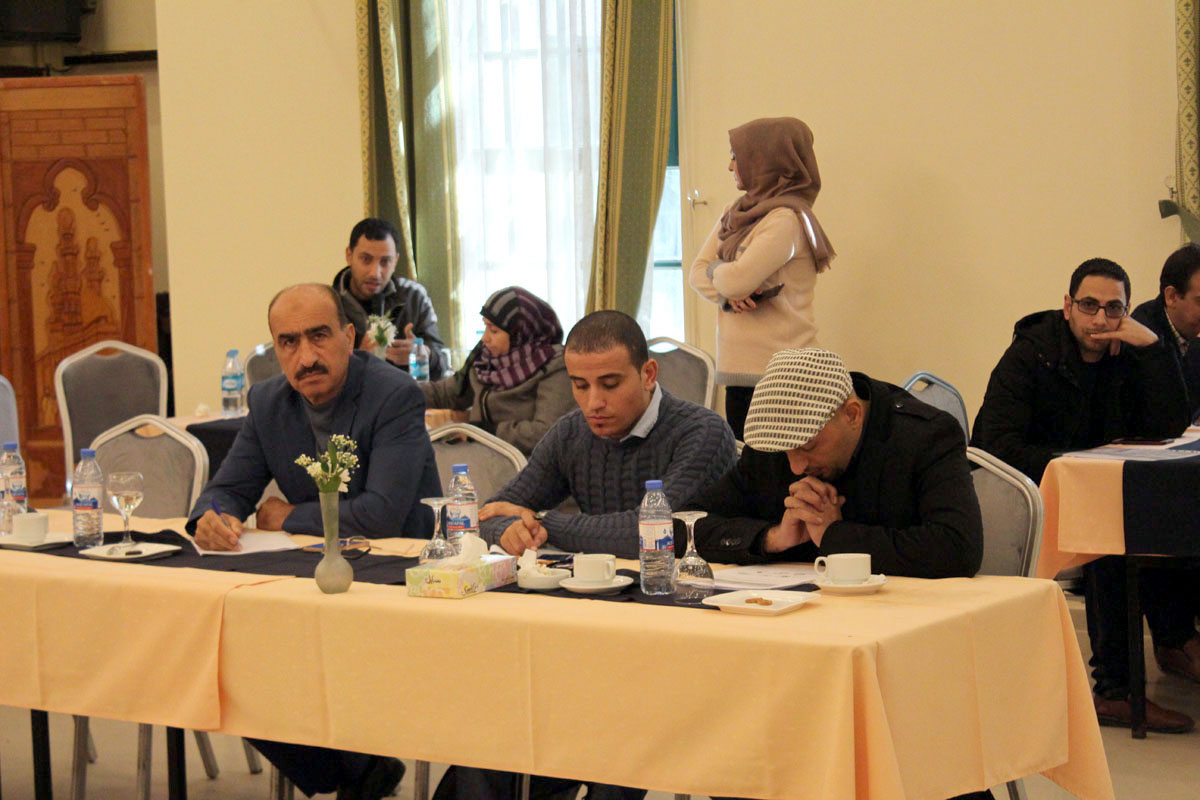
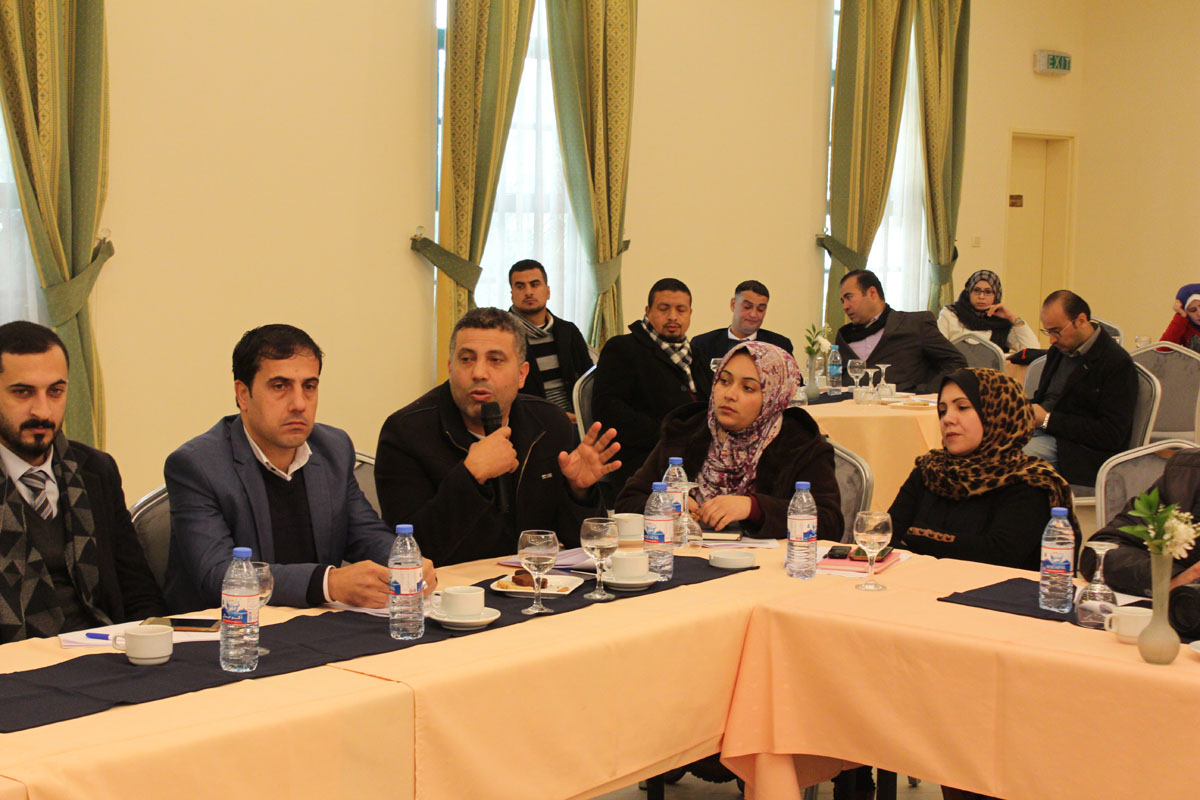
The participating institutions presented and discussed their papers with the attendance of their partners from the other governorates and their participation via Skype. The two workshops were attended by an elite of researchers, academics, representatives of community organisations, and specialists to discuss these papers and offer their opinions and observations on them, with the goal of enriching these papers so that they be published and the message and recommendations of Palestinian society and civil-society organisations delivered to decision-makers, to work together and jointly toward finding solutions for the issues of Palestinian society and exiting its current crises. It should be noted that the participating institutions that worked on producing these papers targeted the various categories of society in several previous discussion sessions in which they gathered these categories from all the northern and southern Palestinian governorates at once via Skype, to discuss the issues that concern all the parties and come out with one paper carrying one Palestinian national voice. These meetings had a clear positive impact, as it was the first time citizens from the northern governorates interacted and discussed with citizens from the southern governorates their shared concerns and issues, thereby defying all the geographical barriers separating them. As for the level of the institutions, for many of them it was the first experience of working and partnering with institutions from other governorates at the level of the homeland. It is worth mentioning that the paper-presentation workshops are still continuing in all the Palestinian governorates, and 11 other working papers will be presented taking up subjects and issues under other headings.